Show summary Hide summary
The Atlanta Braves opened Spring Training with a fresh wave of uncertainty around their starting staff, as two highly regarded right-handed prospects hit injury roadblocks. With rotations across the league tightening, Atlanta faces urgent choices about veteran additions and internal depth to steady a pitching picture that suddenly looks fragile.
Prospect setbacks: Schwellenbach lands on 60-day IL, Waldrep faces more tests
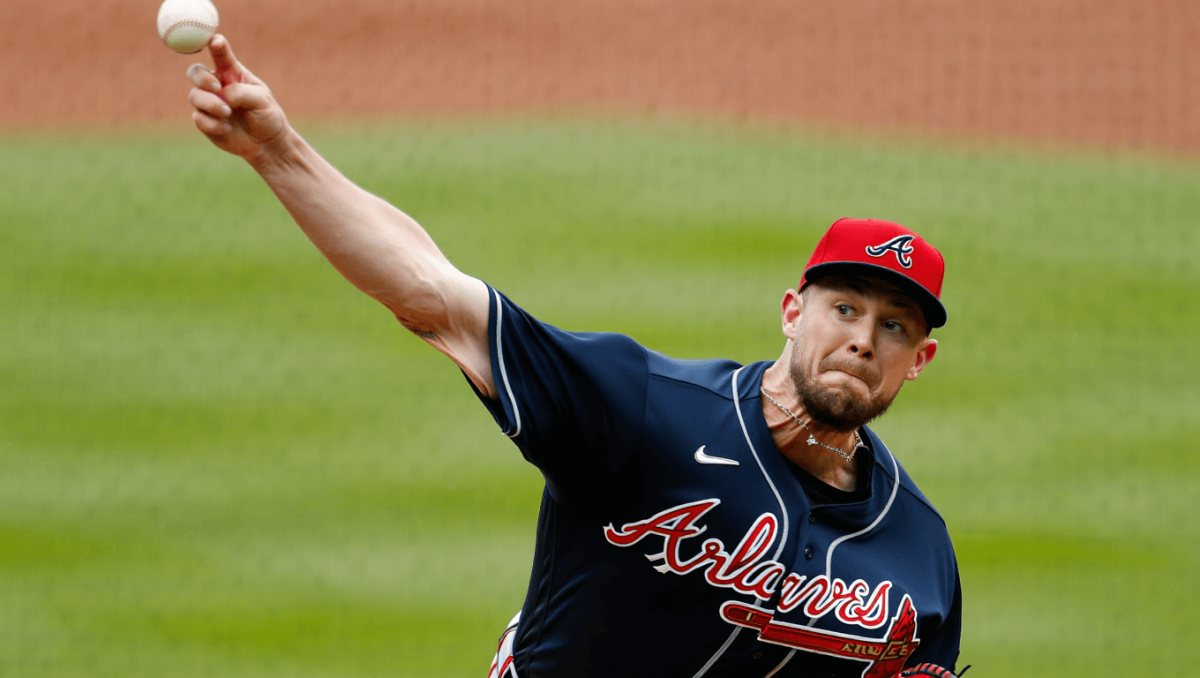
Right-hander Spencer Schwellenbach, 25, was placed on the 60-day injured list after the team reported inflammation in his right elbow. Medical staff are hopeful the issue is limited to bone spurs rather than a more serious structural problem.
Sophia Laforteza of Katseye announces hiatus: comes months after Manon Bannerman’s exit
Delta to return to Tokyo Narita hub in 2027: 7-year comeback
Soon after, fellow young arm Hurston Waldrep experienced arm discomfort following a bullpen session. Imaging found no torn ligaments, but team doctors discovered “loose bodies” and are pursuing further evaluation. Surgery remains a possibility depending on follow-up tests.
- Schwellenbach: expected to be a rotation piece, now timeline could stretch into July.
- Waldrep: symptoms emerged during batting practice; MRI clear of ligament tears but questions remain.
- Both cases reduce Atlanta’s internal options and force short-term planning.
Immediate impact on Atlanta’s starting rotation depth
These injuries compress the Braves’ margin for error. After an offseason without adding a frontline starter, Atlanta’s depth chart is thinner than usual.
The absence of two promising right-handers increases pressure on veteran arms and on the bullpen to absorb innings. It also shifts the trade and signing calculus for general manager Alex Anthopoulos.
Why Lucas Giolito has emerged as a practical solution
With internal options limited, free-agent righty Lucas Giolito looks like a sensible target. He brings rotation experience and could be open to a short-term deal that preserves offseason flexibility for both sides.
- Pros: veteran innings, experience in high-leverage starts, potential immediate stability.
- Cons: market movement and health questions may keep his price modest or limit long-term fits.
- Giolito is not attached to a qualifying offer, easing negotiation hurdles for Atlanta.
How a short-term signing fits the Braves’ timeline
A one-year contract or short-term pact would let the Braves plug holes now while allowing younger pitchers to return and audition in the second half. It’s a low-risk way to buy stability without a multiyear commitment.
Trade and roster paths Anthopoulos might consider
Anthopoulos has several levers to pull: pursue a veteran starter via trade, chase a free-agent arm, convert bullpen arms to rotation roles, or promote from Triple-A. Each option carries roster and payroll consequences.
- Trade for an established starter — costs in prospect capital but yields immediate upgrade.
- Sign a short-term free agent like Giolito — limited commitment and quicker impact.
- Stretch the bullpen and internal promotion — cheapest route, higher performance risk.
Front-office decisions will hinge on medical updates for Schwellenbach and Waldrep, and on how competitive the market for starting pitching becomes in early spring.
What to watch next as Spring Training unfolds
- Official timelines on Schwellenbach’s recovery and whether bone spurs are confirmed.
- Results of Waldrep’s additional imaging and any surgical recommendations.
- Potential movement in the free-agent market, especially from starters available without a qualifying offer.
- Any short-term deals or low-cost trades that signal the Braves are prioritizing rotation depth.
Press reports and team updates over the coming days will shape whether Atlanta pursues external help or leans on internal fixes.