Show summary Hide summary
- Why JetBlue is narrowing its network footprint
- Which services are affected and passenger options
- Operational drivers behind the cuts
- Local economic and community effects
- What this shift means for JetBlue employees
- How airlines and industry analysts view the move
- Practical tips for affected travelers
- Looking ahead: what to watch in airline route strategies
JetBlue is pulling service from two smaller destinations as it sharpens its focus on high-demand corridors and core hubs. The carrier says the move will let it boost frequency on busy routes and redeploy aircraft where yield is stronger. Travelers, local officials and industry watchers are weighing what this pivot means for fares, connectivity and competition.
Why JetBlue is narrowing its network footprint
JetBlue frames the change as a strategic reallocation of resources. Over the past year, the airline has trimmed underperforming routes to improve schedule reliability and unit economics.
Sophia Laforteza of Katseye announces hiatus: comes months after Manon Bannerman’s exit
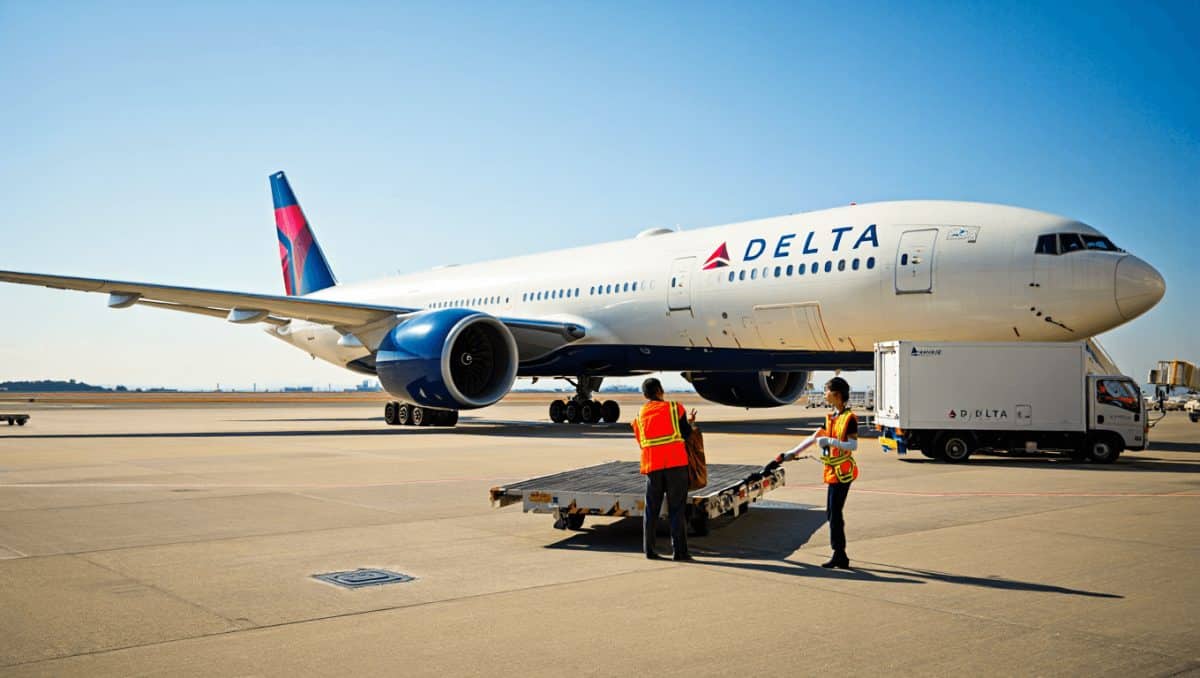
Delta to return to Tokyo Narita hub in 2027: 7-year comeback
- Lower demand: Some regional links failed to reach sustainable load factors.
- Higher returns elsewhere: The airline wants more flights on its busiest corridors where pricing power is better.
- Fleet optimization: Modern planes and limited seat hours push carriers to prioritize routes with higher yields.
Which services are affected and passenger options
JetBlue has announced the removal of service to two smaller markets. The carrier says affected customers will receive automatic refunds or rebooking offers.
- Passengers with canceled flights should check their reservation email for rebooking links.
- Customers can request a full refund if the new itinerary doesn’t fit their plans.
- Frequent flyers may be offered alternative flights, credits, or companion perks depending on status.
Travelers should confirm changes directly with JetBlue rather than relying on third-party alerts.
Operational drivers behind the cuts
JetBlue points to several operational pressures that informed the decision. Rising fuel and maintenance costs have made marginal routes harder to justify.
- Aircraft usage is being shifted to routes with stronger year-round demand.
- Airport fees and slot constraints mean airlines must be selective about where they deploy capacity.
- Competition from legacy carriers and low-cost rivals squeezes yields on thin routes.
Local economic and community effects
When a carrier withdraws service, communities feel the impact quickly. Smaller airports can lose business traffic and tourist arrivals.
- Local hotels, rental car companies and event planners may see reduced bookings.
- Regional officials often lobby carriers or offer incentives to retain air service.
- Alternative carriers sometimes step in, but timing and seat capacity can lag.
Economic ripple effects can be significant for airports that rely on a single carrier for certain markets.
What this shift means for JetBlue employees
Route cuts typically bring staffing adjustments. JetBlue says it will attempt to reassign impacted crew where possible.
- Some staff may receive new schedules on other routes.
- Where reassignment isn’t possible, options include voluntary leave, severance, or early retirement.
- Pilot and flight attendant union talks may influence final staffing decisions.
How airlines and industry analysts view the move
Analysts see the action as part of a broader airline trend: focus and consolidation. Carriers are concentrating on profitable hubs and premium leisure markets.
- Network pruning can improve on-time performance and reduce operational complexity.
- But it may also reduce competition on some routes, affecting fares.
- Investors typically reward carriers that show better capacity discipline.
Practical tips for affected travelers
If your itinerary is impacted, act quickly. Here are steps to consider.
- Check JetBlue’s website or app for the latest flight status and options.
- Accept a rebooking, request a refund, or seek travel credit when offered.
- Compare alternative carriers and routes, including nearby airports.
- For complex itineraries, contact customer service or your travel agent for help.
Looking ahead: what to watch in airline route strategies
Over the coming months, watch for more adjustments as carriers respond to demand signals. Peak travel seasons and corporate travel recovery will shape future route choices.
- Airlines may add frequencies on high-yield routes rather than expand to new small markets.
- Partnerships and codeshares can mitigate connectivity losses for some communities.
- Regulators and local governments may step in to subsidize essential air service where public need is high.