Show summary Hide summary
- Influencer campaign fuels reach and in-store excitement
- Authenticity first: why Gen Z responds to creators
- Keeping product fresh without excess markdowns
- Design choices and price points aimed at the red-carpet look
- Retail peers broaden assortment and double down on social
- Social content that converts: what performs best
- Competition heats up across price tiers
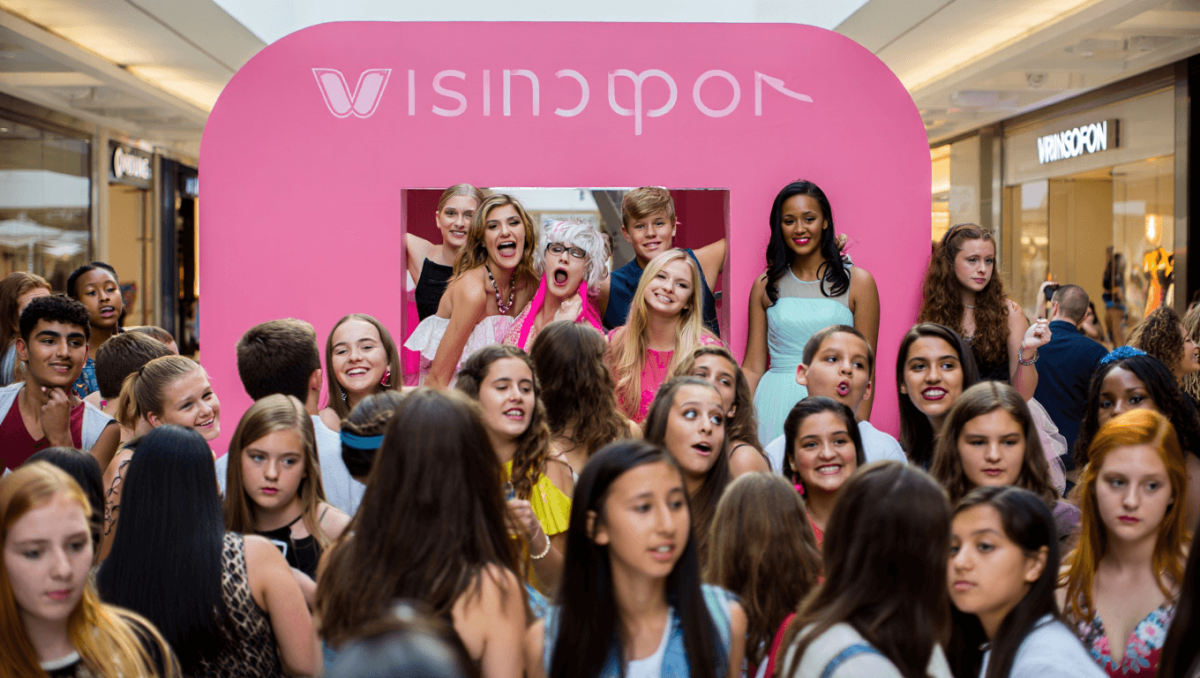
Windsor, the teen-focused retailer, skipped traditional runway models and leaned hard into social media talent for its latest prom push, staging a pink-hued content house and a high-energy mall activation that drew long lines and millions of video views.
Influencer campaign fuels reach and in-store excitement
The brand invited six creators, including the Clements Twins and TikTok personality Faith Marie, to craft prom outfits inside a dedicated content residence. Clips from the shoot circulated across platforms and drove traffic back to Windsor’s site and shops.
Sophia Laforteza of Katseye announces hiatus: comes months after Manon Bannerman’s exit
Delta to return to Tokyo Narita hub in 2027: 7-year comeback
The experiential element moved beyond the feed. A recent weekend event at New York’s Roosevelt Field Mall attracted hundreds of teens. Videos tied to the activation have already tallied millions of views.
Windsor projects the campaign will reach roughly 15 million people. Early results include strong engagement and a double-digit uptick in sales year over year.
Authenticity first: why Gen Z responds to creators
Windsor’s leadership says shoppers in this age group vet marketing quickly. Traditional polished shoots feel distant to many teens.
Instead, the brand used creators to showcase how real customers might style looks. That approach aims to make the journey from discovery to purchase feel natural.
“Social media starts the conversation,” Windsor’s president explained, noting the conversion from online inspiration to website visits and store purchases.
Keeping product fresh without excess markdowns
Balancing trend-driven pieces and inventory discipline has become central for prom season. Brands want newness but not surplus stock that ends up heavily discounted.
- Prom is one of several event categories Windsor designs for.
- Other categories include homecoming, graduation, festivals and New Year’s Eve.
- Design teams monitor regional preferences to reduce slow sellers.
That regional focus means stores in states like Texas may carry more Western-inspired styles. Miami shops may receive brighter colors and bold prints. The goal is targeted allocation to limit markdown risk.
Design choices and price points aimed at the red-carpet look
Windsor’s assortment mirrors trends from awards-season fashion. Expect corsets, jewel tones and whimsical silhouettes that read as red-carpet ready.
Dresses sit in an affordable window. Most pieces range from about $60 to $200. That positions Windsor to compete with fast-fashion and specialty retailers alike.
To differentiate, the company relies heavily on its internal design studio. About 90% of the current prom selection was developed in-house, rather than sourced from co-manufacturers or wholesalers.
In-house sourcing lets Windsor secure unique fabrics and details, the company says, helping create dresses that stand apart from mass-produced options.
Retail peers broaden assortment and double down on social
Other formalwear players are shifting strategies too. Legacy names and direct-to-consumer sites are all vying for teen prom dollars.
David’s Bridal, for example, widened its merchandise mix this year. Instead of large inventories of a few styles, it’s carrying more SKUs but with smaller stock levels per store.
- More third-party brands are appearing online.
- Smaller, trend-driven assortments roll into stores faster.
- Merch teams react to red-carpet moments and fast-moving trends.
The company also launched an affiliate-style ambassador program to amplify creator content. Top-performing organic posts can be boosted into paid ads, extending reach to the retailer’s audiences.
Social content that converts: what performs best
Short-form video that shows outfit assembly and close-up garment details is resonating. These formats mimic how teens share looks among peers.
Brands are prioritizing content that feels user-generated over editorial shoots. Clips of real people trying on dresses, mixing pieces and styling accessories drive higher engagement.
For many shoppers, prom is a key moment of self-expression, executives note. That feeling shapes both marketing and product choices.
Competition heats up across price tiers
The prom market now spans fast-fashion prices to entry-level designer lines. Online specialty labels, department stores and even some luxury designers are chasing teen spend.
Some higher-end gown makers have introduced sub-$500 prom capsules to capture budget-conscious buyers who still want aspirational styles.
As a result, retailers must be nimble. They are blending influencer-driven storytelling, tighter regional merchandising and in-house design to stay relevant to Gen Z shoppers.