Show summary Hide summary
- New contracts signal trust from ownership and a vote of confidence
- How a midseason slump turned into a defining run
- Atkins’ playbook: roster moves that mattered
- The fan base reaction and the stadium atmosphere
- New expectations: pressure comes with permanence
- What to watch as Toronto prepares for 2025
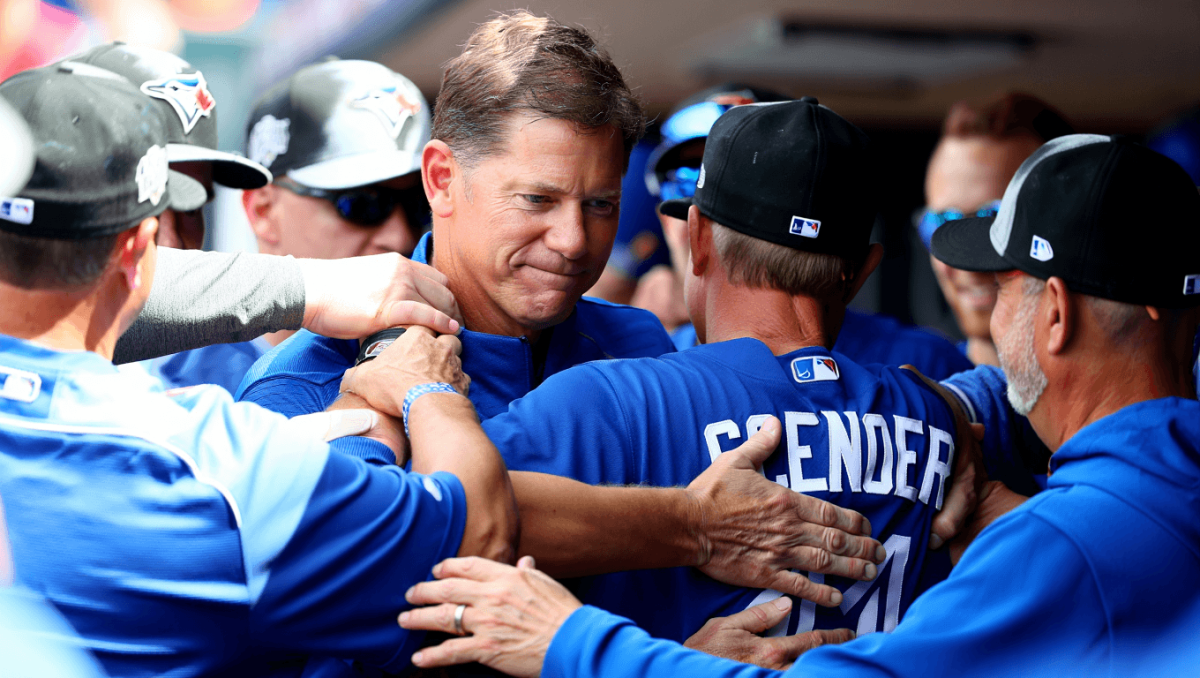
The Blue Jays rewarded the front office and dugout leadership after a stunning turnaround that revived fan belief and reshaped expectations for Toronto’s immediate future. Management moves this offseason signal stability at the top as the club prepares to build on last year’s dramatic playoff run.
New contracts signal trust from ownership and a vote of confidence
Rogers Communications moved quickly to formalize the leadership duo that presided over the club’s late ascent. General manager Ross Atkins agreed to a multi-year extension, while manager John Schneider signed on through 2028. Both deals remove the short-term uncertainty that hung over the organization earlier in the year.
Sophia Laforteza of Katseye announces hiatus: comes months after Manon Bannerman’s exit
Delta to return to Tokyo Narita hub in 2027: 7-year comeback
These extensions reflect more than satisfaction with wins. They represent a strategic decision to keep the decision-makers who reshaped the roster and culture.
Key details and implications of the agreements
- The GM’s new contract spans multiple seasons, giving the front office room to pursue long-term roster construction.
- The manager’s deal through 2028 keeps on-field leadership stable during a critical championship push.
- With those questions resolved, the club can focus resources on player development, health, and roster upgrades.
How a midseason slump turned into a defining run
Toronto’s campaign nearly unraveled in May, when the club hovered below .500. The narrative changed as the roster found form. An improbable climb led to an American League pennant and a World Series-challenging performance that altered public perception almost overnight.
That turnaround forced ownership to reassess. What looked like a lost season became proof that the team’s core could perform under pressure.
Atkins’ playbook: roster moves that mattered
Management earned trust by keeping pivotal pieces intact and improving the pitching staff. A notable highlight was securing Vladimir Guerrero Jr., a move that stabilized the lineup and reassured the fan base.
- Contracting the franchise cornerstone calmed trade rumors.
- Investing in starting pitching addressed a core need.
- Balancing short-term upgrades with player development created a sustainable blueprint.
The fan base reaction and the stadium atmosphere
The mood at the Rogers Centre shifted from frustration to electricity. Fans who had grown weary of early postseason exits now expect the team to compete for titles.
That change raises the stakes for the front office and manager. Success has bred higher expectations for consistency, not just flashes of brilliance.
New expectations: pressure comes with permanence
Signing long-term deals removes an immediate question mark. It also stacks pressure on those now charged with turning a breakthrough season into a championship era.
- Maintain the core: Keep key players healthy and productive.
- Pitching depth: Continue reinforcing the rotation and bullpen.
- Smart spending: Balance big moves with prospects and internal growth.
- Player development: Promote depth from within to hedge against injuries.
What to watch as Toronto prepares for 2025
With leadership locked in, offseason activity will reveal the club’s true ambitions. Expect decisions aimed at turning last year’s momentum into sustained contention.
- How aggressively the team pursues starting pitching upgrades.
- Whether the payroll is used to add veteran reinforcements.
- The role of young players moving into big-league jobs.
- Injury management and offseason conditioning plans.