Show summary Hide summary
- Vaughn’s critique: late-night turned into political theater
- Hints about whom he had in mind
- Why podcasts are winning the audience war
- How political focus affected show ratings
- Personal politics and Hollywood dynamics
- Moments from the conversation worth noting
- How the exchange began and what sparked it
- Industry implications and audience behavior
- What Vaughn wants from public conversation
Vince Vaughn told a candid story on a popular podcast this week, arguing that late-night television drifted from comedy into sermonizing. His comments have reignited debate about whether political commentary has hollowed out the genre and pushed viewers toward podcasts and other formats.
Vaughn’s critique: late-night turned into political theater
Speaking with Theo Von, the actor and writer said late-night shows stopped feeling like entertainment. He described a shift toward agenda-driven monologues that, in his view, replaced jokes with lectures. Vaughn argued that when hosts prioritize political points, the chemistry with audiences breaks down.
Sophia Laforteza of Katseye announces hiatus: comes months after Manon Bannerman’s exit
Delta to return to Tokyo Narita hub in 2027: 7-year comeback
He used a blunt image to make the point: rather than enjoying a light, humorous exchange, viewers feel lectured. That, he suggested, explains why people tune out.
Hints about whom he had in mind
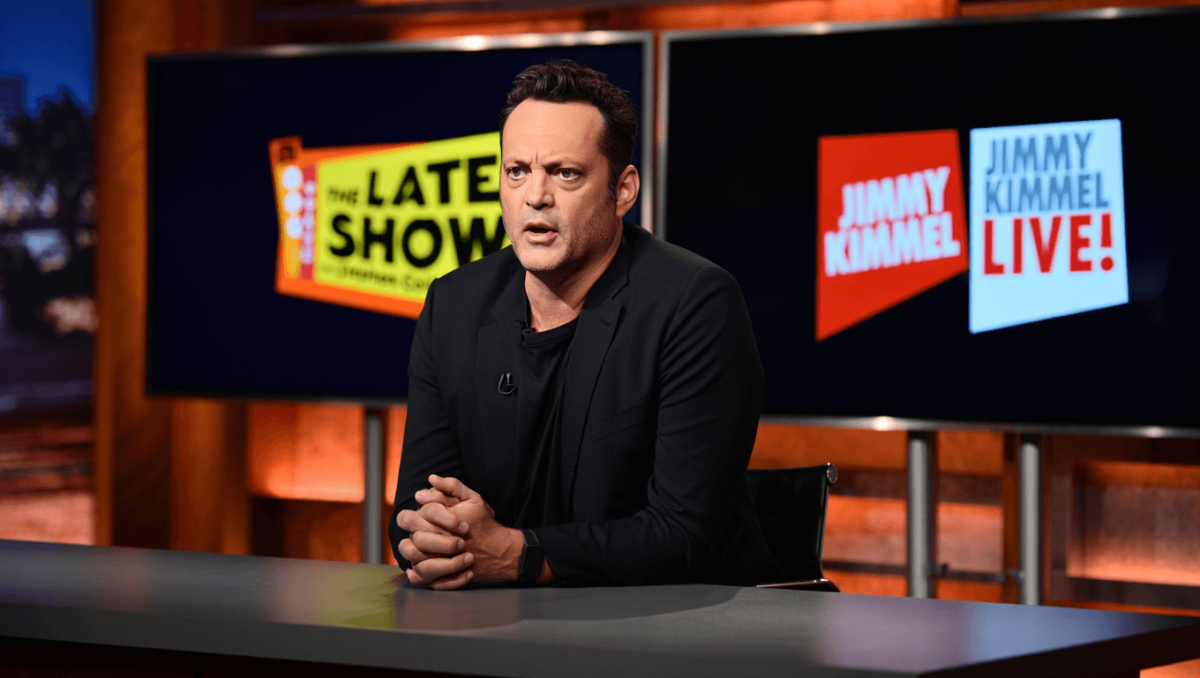
Vaughn did not publicly name individuals during the conversation. Still, his remarks were widely perceived as nods to outspoken hosts who regularly criticize former President Donald Trump. Two figures commonly discussed in the reaction cycle are Jimmy Kimmel and Stephen Colbert.
- Vaughn has not appeared on Jimmy Kimmel’s show since 2015.
- He has never been a guest on Stephen Colbert’s program, which is slated to end in May.
Why podcasts are winning the audience war
The discussion turned to the rise of long-form audio. Vouched for by Von’s own success, podcasts now draw listeners who crave conversation that feels sincere and unfiltered. Vaughn credited that authenticity with the medium’s growth.
- Podcasts allow deeper, less scripted exchanges.
- Listeners can choose hosts who match their tone and curiosity.
- Hosts are less likely to be perceived as lecturing a captive audience.
In short, Vaughn said people are done with one-size-fits-all late-night panels and want hosts who let conversations breathe.
How political focus affected show ratings
Vaughn suggested the ratings slump reflects sameness. When multiple hosts use their platforms to advance similar political perspectives, viewers see repetition rather than variety.
He argued that shows began to feel interchangeable and lost the spontaneity that once defined late-night comedy. That sameness, he said, pushed viewers toward alternatives that felt more genuine.
Personal politics and Hollywood dynamics
Vaughn has described himself politically in different ways over the years, including publicly identifying as a Libertarian. He has also maintained a friendly rapport with Trump. The actor appeared in a White House photo with the president in April 2025 and was photographed with fans at the inaugural Starlight Ball earlier that year.
On the podcast he said he gets along with many people in the industry, but acknowledged there are moments when political divides make social and professional navigation harder. He described having views across the spectrum and bristling at the idea of being told how to think.
Moments from the conversation worth noting
- Vaughn said the shift away from humor left him feeling like an unwilling student in a class.
- He complained that late-night became repetitive and moralizing rather than playful.
- He admitted to having critics on both the left and the right, and to sometimes feeling sidelined in Hollywood.
Authenticity was the repeating theme: Vaughn believes audiences want honest conversation, not moral instruction from a TV desk.
How the exchange began and what sparked it
The topic came up after Von observed that many hosts repeatedly target the same cultural groups in their jokes. That observation led Vaughn to reflect on why viewers migrate to podcasts and away from network late-night shows.
He pointed to the hosts’ uniform approach to politics and humor as a key reason for the decline in appointment viewing.
Industry implications and audience behavior
The broader conversation touches on programming decisions, advertising, and how media outlets measure loyalty. If audiences prioritize authenticity over ideological alignment, producers may rethink the balance between comedy and commentary.
- Networks must decide whether to emphasize politics or entertainment.
- Advertisers watch ratings shifts closely and may follow audience trends.
- Talent choices may hinge on who can blend humor with genuine connection.
What Vaughn wants from public conversation
Across the interview he returned to the idea that people object to being scolded. He emphasized a preference for dialogue that invites rather than instructs. That preference, he argued, explains why many viewers have migrated to formats that feel less performative.
Vaughn also stressed that his views are not neatly boxed into one party line. He said he holds opinions that cross traditional political boundaries and resents the pressure to conform to a single public posture.