Show summary Hide summary
The possibility of replacement officials returning to NFL games has resurfaced as tense contract talks between the league and the NFL Referees Association heat up. Union leaders have publicly criticized the NFL’s negotiating tactics, and memories of the 2012 replacement-ref controversy are fueling concern among players and fans.
Union leader slams league amid stalled negotiations
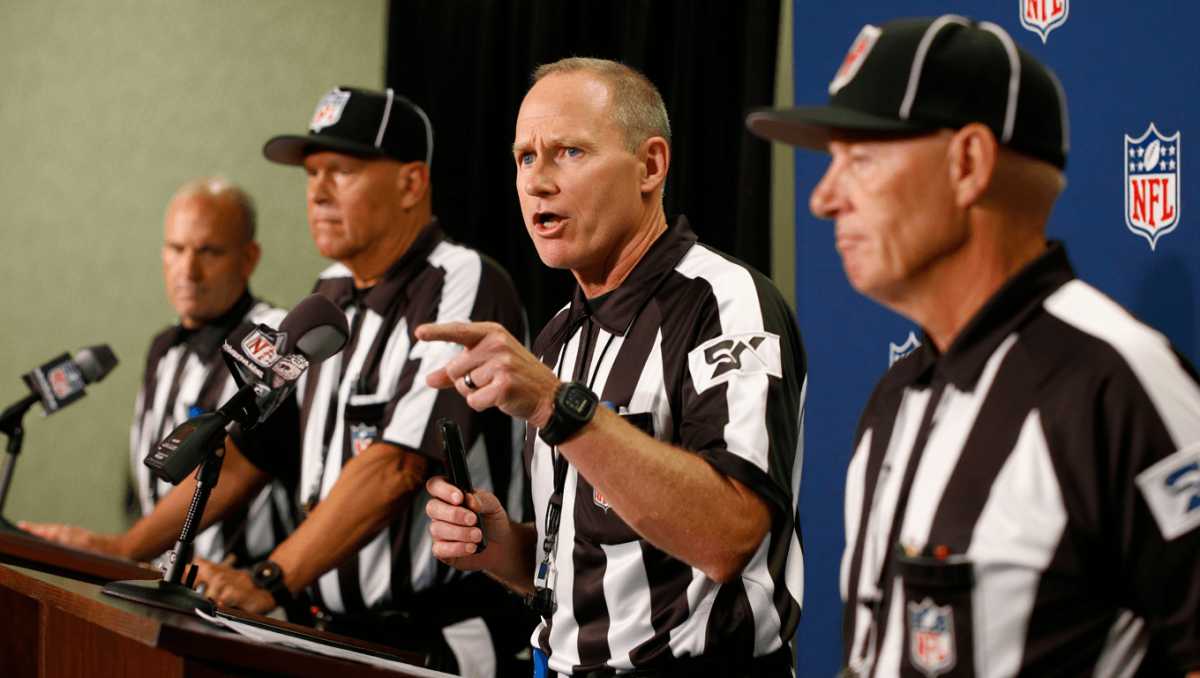
Scott Green, executive director of the NFL Referees Association, issued a blunt statement as talks reportedly stalled. He accused unnamed league sources of spreading inaccurate information and said the officials want meaningful talks at the bargaining table.
Sophia Laforteza of Katseye announces hiatus: comes months after Manon Bannerman’s exit
Delta to return to Tokyo Narita hub in 2027: 7-year comeback
Green stressed that NFL officials are paid less than their counterparts in other major U.S. sports and that health care protections lag behind what league executives receive. He also raised alarms about how postseason performance is rewarded, saying some officials earned less for playoff assignments than for regular-season games.
His remarks, relayed by NFL Network reporter Tom Pelissero, make clear the union is using public pressure as a bargaining tool.
Top grievances driving the dispute
The union has centered its complaints on three areas. Each issue plays into the wider debate about fairness and professional standards.
- Compensation gaps — Officials say their pay does not match officials in MLB and NBA.
- Health care and benefits — The NFLRA claims referees lack comprehensive coverage comparable to league office staff.
- Performance pay inconsistencies — The union points to cases where high-performing officials were paid less for playoff games than for the regular season.
Why “replacement refs” remain a feared option
The league and the officials have a precedent that keeps the replacement-ref scenario very real. Labor conflicts in pro sports sometimes end with the employer hiring temporary staff to keep games on schedule.
For the NFL, that memory is vivid and contentious. Fans, coaches and players all remember a single game that crystallized the danger of using non-union officials.
The infamous 2012 Monday Night finish, step by step
- It was late in a Monday Night matchup between Green Bay and Seattle.
- A Hail Mary pass fell into a jumble of hands and bodies in the end zone.
- Two replacement officials initially signaled different rulings on the play.
- They eventually ruled it a simultaneous catch, which counts as a touchdown.
- Replays later showed an offensive pass interference on the play that went uncalled.
- The controversial decision decided the game and sparked outrage.
How the 2012 fallout changed the bargaining dynamic
The backlash from that call pressured both sides. Two days after the controversial finish, the league and the NFLRA reached an agreement and the regular officials returned.
That swift resolution underscored how disruptive replacement officials can be. The incident still serves as leverage for the union and a warning to the league.
What’s at risk now: games, credibility and fan trust
If talks remain bitter, the NFL faces three main risks.
- Operational disruption if replacement officials are hired.
- Damage to the NFL’s image and credibility during high-profile games.
- Fan and media backlash over game-changing mistakes.
League negotiators must weigh short-term continuity against long-term trust in officiating. The union will likely continue pushing public pressure to strengthen its bargaining position.