Show summary Hide summary
Tiger Woods’ rollover crash in Jupiter Island and the ensuing DUI arrest have put the golf legend under intense public scrutiny. What happens next could reshape his career, his brand, and how the public remembers him.
Crash scene in Florida and immediate facts
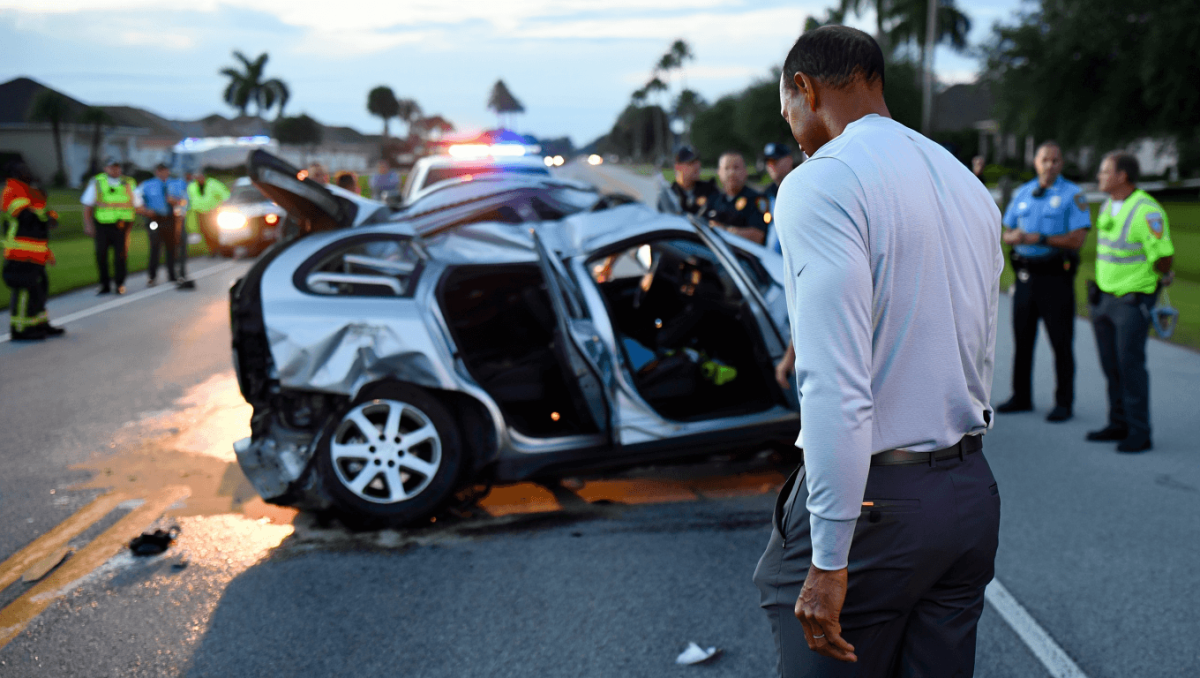
Authorities say Woods’ vehicle clipped the trailer of a utility truck while attempting to pass. The Land Rover flipped onto its side. He exited the vehicle and was not seriously injured.
Sophia Laforteza of Katseye announces hiatus: comes months after Manon Bannerman’s exit
Delta to return to Tokyo Narita hub in 2027: 7-year comeback
- Location: Jupiter Island, Florida.
- Vehicle involved: Land Rover.
- Incident: collision with utility truck trailer followed by a rollover.
Following the crash, law enforcement charged Woods with driving under the influence and property damage. He was also cited for refusing a lawfully requested test.
Court filings, plea and public statement
Woods later appeared in court and entered a not guilty plea. He issued a public message saying he will step away from the spotlight to address his health.
- Plea entered: not guilty.
- Public move: announced a break to pursue treatment and recovery.
“I am stepping away to seek treatment and focus on my health,” he wrote on social media, signaling a personal retreat from public life.
Brand fallout: Sun Day Red and commercial risk
Tiger is more than an athlete. He is a brand engine for ventures like Sun Day Red. Experts warn that legal troubles can ripple into product sales and corporate partnerships.
- High-profile incidents can drive short-term attention and hurt premium positioning.
- Sponsors often reassess ties when headlines become legal or health crises.
- Public images linked to one figure are vulnerable when that figure falters.
When a founder faces scandal, the brand’s reputation can suffer fast. For companies built around a celebrity, that risk is especially acute.
How reputation recovery might look
Brand strategist Eric Schiffer advises a clear, humble course: accept help, be transparent, and prioritize treatment. He argues that polished PR statements are not enough.
Practical steps that can help
- Enter a structured treatment program and follow it publicly.
- Make accountability visible to the public and to stakeholders.
- Limit public appearances until recovery shows sustainable progress.
- Work with legal and public relations teams focused on transparency.
Schiffer’s core point: seeking treatment and being honest are the fastest paths to restoring trust.
Public sentiment and the pattern problem
Woods’ history of high-profile incidents complicates public forgiveness. Fans may be more sympathetic to one-off mistakes than to repeated risky behavior.
- Repeated incidents erode the benefit of the doubt.
- Celebrity status can amplify personal missteps into cultural narratives.
- Longstanding achievements still matter, but they coexist with current doubts.
Observers say the narrative now hinges less on past victories and more on consistent, demonstrable change.
What the golf world is watching
The golf community often celebrates resilient legends. Yet insiders admit the sport’s tolerance has limits when the same issues recur.
Respect for legacy remains, but patience is finite. Commentators and peers will be looking for actions, not promises.
Next legal and professional milestones to monitor
- Court dates and any changes to charges.
- Details and duration of any treatment program.
- Corporate responses from partners and sponsors.
- Public updates on recovery progress.
How Woods manages these next steps will determine both short-term fallout and long-term reputation repair.