Show summary Hide summary
- Why companies pick April Fools’ for real product launches
- Concrete launches that started as pranks
- Using mockups to announce real promotions and giveaways
- How these campaigns bridge entertainment and utility
- Tips brands follow when launching on April 1
- Examples of what worked this year and why
- What marketers should watch next
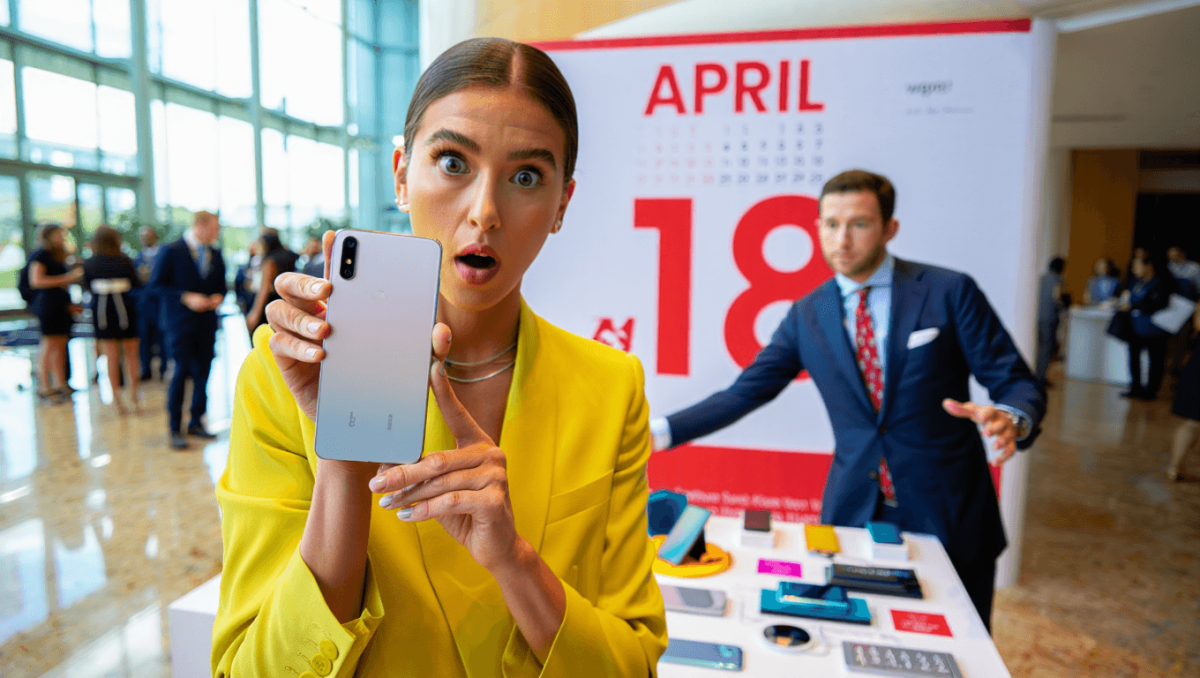
Every April 1, social feeds fill with playful hoaxes. This year, some brands blurred the line between gag and genuine release, turning April Fools’ attention into real sales and memorable activations.
Why companies pick April Fools’ for real product launches
Brands are exploiting the day’s heightened engagement to get noticed. When audiences expect jokes, an actual product drop can feel like a surprise win.
Sophia Laforteza of Katseye announces hiatus: comes months after Manon Bannerman’s exit
Delta to return to Tokyo Narita hub in 2027: 7-year comeback
- Built-in virality: April Fools’ posts travel fast, so a real offer rides that momentum.
- Lowered skepticism: Fans are primed to interact, which boosts shares and comments.
- Room for creative risk: Outlandish ideas that wouldn’t fit ordinary campaigns can attract superfans.
Concrete launches that started as pranks
Some brands teased outrageous concepts and then followed through with authentic products. These activations mix novelty with commerce.
Crumbl, Bocce’s and other bold product returns
- Crumbl resurrected a polarizing cookie flavor for a single day, banking on conversation and scarcity.
- Bocce’s, known for dog treats, unveiled a limited-edition soy candle that captures the scent of corn chips and dog paws. It sold only through the brand’s site.
- Grillo’s teamed with Liquid IV to create a pickle-flavored electrolyte drink for devoted fans.
When a fake soda tease became a real personal-care item
Two niche brands initially joked about a soda-inspired product. Instead of stopping at a social post, they turned it into a real retail drop.
- The collaboration launched exclusively at a major national retailer on April 1.
- A limited online release followed on the smaller brand’s direct channel.
- Shoppers could access short-term bundling offers tied to the soda purchase.
Brands used the stunt to educate consumers on health and product benefits while keeping a playful tone.
Using mockups to announce real promotions and giveaways
Some companies use visual pranks to promote genuine discounts or free items, turning a laugh into trial.
Major chains offering free or discounted goods
- Dunkin’ revived a promotion by giving away more than a million coffees via a promo code in its app.
- Baskin-Robbins offered rewards members a buy-one-get-one-half-off deal on ice cream quarts after teasing a canned ice cream stunt.
- Panda Express staged a tongue-in-cheek swap of soda fountains for milk bottles to calm spice-seekers, then provided limited free milk bottles at select restaurants.
Faux products that point to real giveaways
Some partnerships teased absurd items to lead into authentic activations.
- A plant-based milk maker teamed with a celebrity restaurant to joke about a savory creamer.
- Instead of selling that creamer, the brands planned a later giveaway to drive home how their real products complement each other in recipes.
The strategy: convert shock value into practical use and measurement.
How these campaigns bridge entertainment and utility
Marketers say the best April Fools’ moves do more than amuse. They create moments that prompt trial or teach something useful.
- Playful reveals spark conversation and make functional benefits easier to share.
- Limited drops reward loyal customers and give brands a way to test eccentric SKUs.
- Physical activations — like handing out free items — turn a social punchline into a tangible experience.
Tips brands follow when launching on April 1
Teams that succeed with this timing prepare for both virality and logistics.
- Plan distribution channels for surprise demand.
- Use clear messaging so consumers know when a product is real.
- Offer short-term incentives to turn curiosity into purchase.
- Monitor social feedback and be ready to scale or reel back quickly.
Examples of what worked this year and why
Success came from aligning novelty with fan interest and from delivering something people could actually use.
- Scarcity: One-day drops created urgency and social chatter.
- Relevance: Products tied to existing fan passions performed best.
- Experience: Giveaways that let customers taste or test a concept turned viral jokes into conversion.
What marketers should watch next
Expect more brands to treat April Fools’ as a launch window, not just a prank day. The approach works for niche items and big chains alike, and it keeps creative teams experimenting with surprise-led commerce.