Show summary Hide summary
- Why oddsmakers and pundits are sleeping on Houston
- Veteran leadership: why experience could flip the script
- Rotation outlook: Hunter Brown and underappreciated depth
- What the bullpen could look like once healthy
- Injury history, recovery plans, and roster resilience
- Why October-style baseball suits this group
- Roster pieces to track through the spring and early season
- Analytics and strategy that could tilt outcomes
- Early-season indicators to watch that hint at a deep run
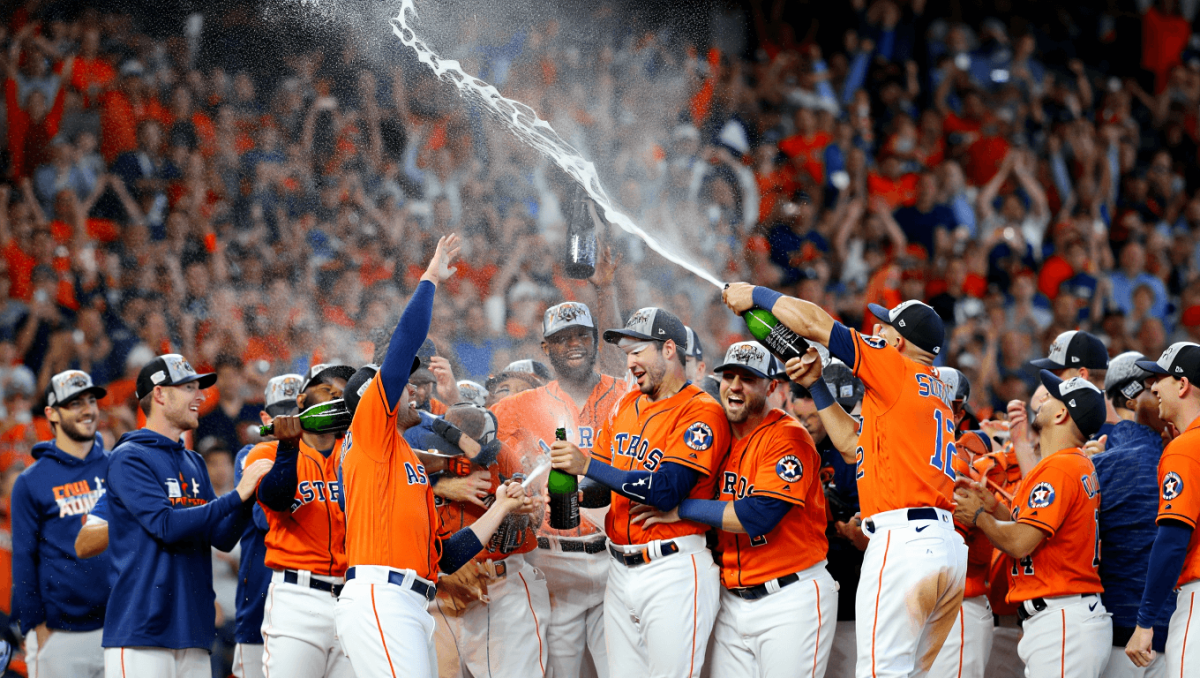
The Houston Astros arrive in 2026 as a quietly dangerous team. Few pundits expect fireworks, but the mix of veteran hunger, a bona fide ace, and intact depth could make them one of the season’s biggest surprises. Ignore the preseason chatter. This club has a habit of answering critics in October.
Why oddsmakers and pundits are sleeping on Houston
Vegas lists the Astros well behind several favorites. Public narratives focus on missing the 2025 playoffs and losing a key starter in free agency. That creates low expectations.
Sophia Laforteza of Katseye announces hiatus: comes months after Manon Bannerman’s exit
Delta to return to Tokyo Narita hub in 2027: 7-year comeback
Yet betting lines and headlines miss important context. The roster will be healthier than last year. The core remains intact. Front-office moves added targeted depth rather than dramatic rebuild pieces.
- Perception gap: bookies favor teams with big names and recent playoff markers.
- Reality: Houston still boasts experienced winners and pitching talent poised to perform.
- Market advantage: low expectations can be fuel for teams built for postseason baseball.
Veteran leadership: why experience could flip the script
The emotional engine of the team is not found in projections. It lives in the clubhouse.
Two veteran figures provide that steadying force. Their presence matters more than a preseason power ranking.
- Jose Altuve: the tone-setter who still influences at-bats and team culture.
- Carlos Correa: returned via trade last year and carries personal goals that translate to competitive fire.
Correa’s comeback is more than a roster move. He wants to rewrite parts of his legacy. That kind of personal ambition often elevates a clubhouse.
Beyond names, this group remembers how to respond after being dismissed. Teams with that memory tend to play with a different urgency.
Rotation outlook: Hunter Brown and underappreciated depth
Hunter Brown is the clear top-tier starter. His 2025 numbers were elite for a young ace. Expect him to anchor the staff.
Key recent marks for Brown include a sub-2.50 ERA and more than 200 strikeouts. Those are not flukes.
Around Brown, the rotation blends veteran returnees and young arms who can absorb innings.
- Lance McCullers Jr. — when healthy, a devastating October weapon.
- Cristian Javier — capable of high-leverage innings and swing-man flexibility.
- New additions — international and domestic pitchers added to boost mid-rotation depth.
The front office opted for strategic arms rather than headline signings. That choice prioritizes sustained performance across a long season.
What the bullpen could look like once healthy
Houston’s late-inning unit has top-end firepower when bodies are right.
The offseason and spring brought expected headline injuries, but the recovery timelines are manageable.
- Josh Hader: a proven closer whose return would instantly upgrade the ninth inning.
- Bryan Abreu: high-velocity setup arm who can handle multiple innings in tight spots.
- Other role players who thrived in 2025 remain on the depth chart.
When the bullpen is intact, the Astros convert close games into wins at a critical pace.
Injury history, recovery plans, and roster resilience
Injuries clouded Houston’s 2025 campaign. Key bats and arms missed significant time.
But the club’s medical staff and offseason preparation aim to limit repeat issues.
- Targeted rehabilitation for sluggers who had shortened seasons.
- Spring workload management for pitchers returning from late-season fatigue.
- Minor-league depth to bridge any gaps without sacrificing roster balance.
Depth matters: smart internal options reduce the risk posed by a single loss. The front office emphasized that this winter.
Why October-style baseball suits this group
Postseason success hinges on a short series blend of pitching, timely hitting, and veteran poise.
The Astros match that profile. Their rotation gives a chance to neutralize opposing lineups. Veterans know how to sequence at-bats under pressure.
- Pitching matchups will favor teams with a true ace and reliable bullpen.
- Veteran hitters can manufacture runs and avoid panic in tight spots.
- Clubhouse chemistry often decides late-inning battles; Houston has plenty of it.
Roster pieces to track through the spring and early season
Several names will determine whether preseason skepticism is justified. Keep an eye on:
- Hunter Brown: his durability and strikeout rate set the ceiling.
- Lance McCullers Jr.: the degree of his health will influence October odds.
- Carlos Correa and Jose Altuve: their continuity and clutch performance matter most in tight games.
- Josh Hader’s timeline: a mid-spring return would shore up the closing role.
Analytics and strategy that could tilt outcomes
Houston’s front office combines data with traditional scouting. Expect targeted matchups and pitch sequencing to be optimized.
Small strategic edges add up over a 162-game season. That often separates playoff pretenders from contenders.
- Shift usage and run-prevention tactics remain in play.
- Pitching plans will focus on maximizing high-leverage arms late in games.
- Lineup construction may prioritize on-base skills and left-right balance in tight series.
Early-season indicators to watch that hint at a deep run
During April and May, specific metrics will reveal whether the Astros are trending toward contention.
- Starting rotation ERA and strikeout-to-walk ratios.
- Health reports for front-line pitchers and top hitters.
- Bullpen inherited-run prevention and high-leverage strikeout rates.
- Club hitting with runners in scoring position in late innings.
Strong early-season results in those areas will force a recalculation of national expectations.