Show summary Hide summary
- What the new biometric Entry/Exit system actually does
- How the check at the airport differs from old passport control
- Why you might encounter longer lines right now
- Security and operational benefits that officials highlight
- Privacy questions and how data is managed
- Practical tips to move through biometric lanes faster
- Which travelers are affected and where it applies
- How airports and governments are responding to the rollout hiccups
- How this system connects with other EU travel measures
- Where to find official updates before you travel
Europe has begun replacing passport stamps with a new biometric border system that records faces and fingerprints. Travelers are noticing longer queues at some airports as border checks move from inked pages to digital records. The change is meant to speed up security and fight irregular migration long term, but the first encounters with biometric gates are creating a visible learning curve for passengers and staff alike.
What the new biometric Entry/Exit system actually does
The system gathers electronic data from third‑country nationals who cross the Schengen external borders. Instead of stamping passports, border authorities now capture:
Sophia Laforteza of Katseye announces hiatus: comes months after Manon Bannerman’s exit
Delta to return to Tokyo Narita hub in 2027: 7-year comeback
- biographic details from travel documents;
- a digital facial image;
- fingerprint templates;
- the exact time and place of entry or exit.
The goal is to replace manual records with a central, searchable database. That allows quicker identity checks over time and removes ambiguity about whether a traveler overstayed.
How the check at the airport differs from old passport control
Passengers will still present their travel documents. But a new set of steps is now common at many external Schengen checkpoints.
Typical process at arrival or departure
- Approach the border lane and present your travel document.
- Have your passport scanned by a reader or a border official.
- Step forward for a facial photo and, in many cases, fingerprint scans.
- Wait while systems compare biometrics to records and check watchlists.
- Receive clearance and proceed, or be directed to secondary checks if needed.
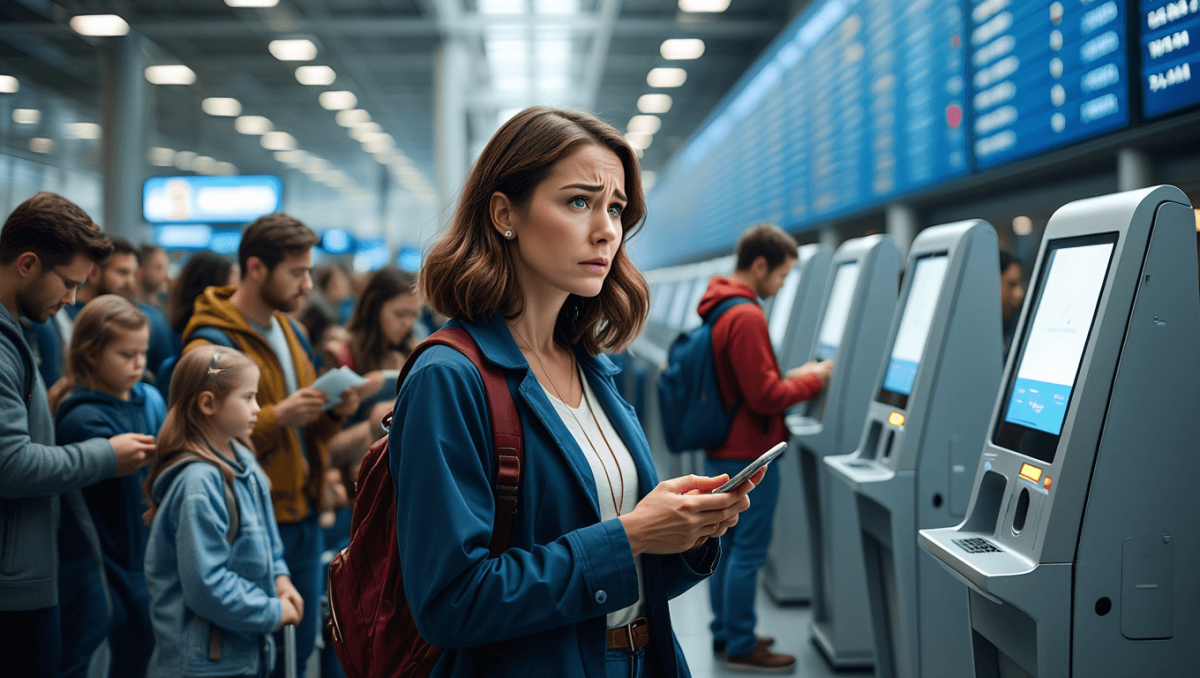
The mechanics vary by country and airport. Some locations use self‑service kiosks first. Others handle the whole process at a staffed booth.
Why you might encounter longer lines right now
- Staff are still adapting to new procedures and equipment.
- Border kiosks and biometric readers can slow when volumes spike.
- Systems need time to integrate with national and EU databases.
- Error rates, like unreadable fingerprints or poor photos, add seconds.
- More secondary checks are performed during the initial rollout.
Short‑term delays are expected as airports tune workflows and passengers learn the steps. Over time, officials expect average processing times to fall.
Security and operational benefits that officials highlight
- Faster detection of overstays and repeated entries.
- Improved identity verification at the EU external border.
- Easier cross‑border cooperation using standardized electronic records.
- Reduced fraud, such as using altered or stolen documents.
Authorities argue that these gains will strengthen border integrity and make travel safer across the Schengen area.
Privacy questions and how data is managed
The system stores sensitive biometric information in a central repository. That raises legal and ethical issues.
- Retention periods and access rules are defined by EU law.
- Data protection authorities monitor compliance.
- Encryption and technical safeguards are used to limit misuse.
Privacy advocates have flagged risks related to surveillance and the potential for mission creep. Authorities stress oversight mechanisms and judicial review to mitigate those worries.
Practical tips to move through biometric lanes faster
- Have your passport open and ready before you reach the desk or kiosk.
- Follow the border officer’s instructions for face and fingerprint capture.
- Avoid wearing hats or sunglasses during the biometric photo.
- If your fingerprints are worn, tell staff so alternatives can be used.
- Consider traveling outside peak times when possible.
Airlines and airports also publish guidance. Checking official updates can help you avoid surprises.
Which travelers are affected and where it applies
The biometric checks target third‑country nationals crossing the external borders of the Schengen area. Citizens from EU, EEA and Switzerland follow different procedures.
Rollout schedules may differ by country and airport. Major hubs tend to adopt new equipment first. Smaller crossings update later.
How airports and governments are responding to the rollout hiccups
Authorities are deploying extra staff and technical teams to resolve bottlenecks. They are also adjusting passenger flows and adding signage.
- Training sessions for border guards are being expanded.
- Software updates and hardware patches are rolled out when bugs appear.
- Contingency lanes remain for travelers who require manual processing.
Expect gradual improvements as systems stabilize and staff gain experience.
How this system connects with other EU travel measures
The biometric entry/exit framework is part of a broader shift to digital border management. It links to other initiatives that govern pre‑travel screening and cross‑border data sharing.
- Pre‑travel authorizations for visa‑exempt visitors will run in parallel.
- Security watchlists and police databases are queried during checks.
- Border agencies across Europe coordinate through shared platforms.
For travelers, the practical result is a more data‑driven border environment. That means fewer paper stamps but more electronic traces tied to your biometric identifiers.
Where to find official updates before you travel
Check national border authority websites and your departure airport’s page. Airlines also send notices when controls are expected to take longer.
- Look for guidance specific to Schengen external borders.
- Verify which lanes accept eGates or automated processing.
- Confirm whether you need any pre‑travel authorization.