Show summary Hide summary
Copa Airlines has announced plans to equip its fleet with SpaceX’s Starlink satellite internet, a move that could reshape in-flight connectivity across Latin America. The carrier says the upgrade aims to deliver faster, more reliable Wi-Fi to passengers, positioning Copa as a regional leader in onboard broadband services.
What Copa Airlines is changing: Starlink inflight Wi‑Fi rollout
Copa Airlines revealed a partnership to install Starlink terminals on select aircraft. The airline intends to offer high-speed internet to travelers, improving streaming and work capabilities at 35,000 feet. This would mark Copa as the first major Latin American airline to adopt Starlink inflight service, a milestone for the region’s aviation connectivity.
Sophia Laforteza of Katseye announces hiatus: comes months after Manon Bannerman’s exit
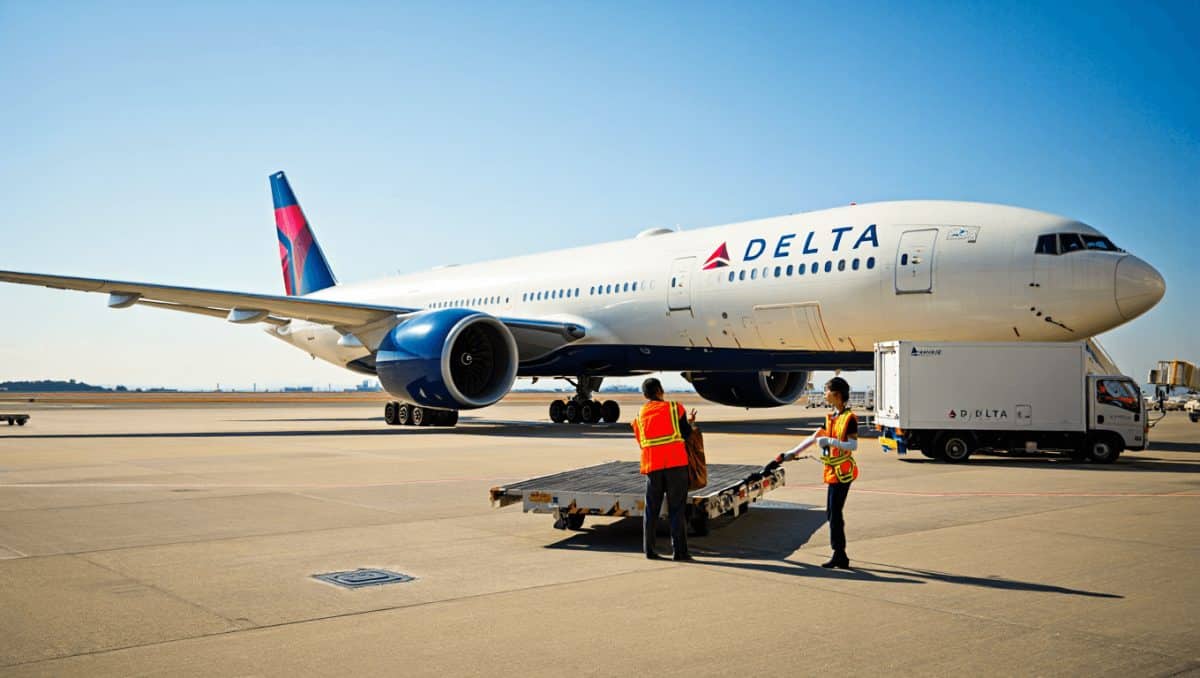
Delta to return to Tokyo Narita hub in 2027: 7-year comeback
Planned implementation and fleet scope
- Initial installations will target long-haul and high-traffic routes.
- Tech integration aims to be phased to limit operational disruption.
- Maintenance and certification steps are part of the rollout plan.
How Starlink changes in-flight internet performance
Starlink uses a low-Earth orbit satellite network to reduce latency and boost bandwidth. For passengers, that translates into smoother video calls, faster browsing, and better streaming. Airlines have been exploring this tech to replace traditional satellite and air-to-ground systems.
Technical benefits travellers will notice
- Lower latency for real-time apps like video conferencing and gaming.
- Higher sustained download speeds for streaming and content downloads.
- Improved connectivity over oceanic and remote routes.
Regulatory and technical hurdles for Latin American carriers
Deploying satellite internet on commercial aircraft requires approvals from aviation and telecom authorities. Each country has its own certification rules for onboard communications. Copa will work with regulators across its network to secure necessary permits and ensure safety compliance.
Key operational challenges
- Aircraft modifications must meet airworthiness standards.
- Cross-border frequency coordination can delay deployments.
- Training for crew and ground staff is required to manage onboard systems.
What this means for passengers and the market
The move could raise passenger expectations about onboard connectivity in Latin America. Frequent flyers may see a shift toward more consistent Wi‑Fi service on regional routes. Competing airlines may accelerate their own broadband plans to keep pace.
Potential impacts on fares and ancillaries
- Some carriers might bundle high-speed Wi‑Fi into premium cabins.
- Others may offer tiered pricing for different data speeds.
- Airlines could use connectivity as a differentiator for loyalty programs.
Competitive landscape and future outlook for inflight broadband
Starlink joins a crowded field of airborne internet providers. Traditional satellite firms and terrestrial solutions remain active contenders. Still, the combination of low-Earth orbit capacity and growing airline interest could accelerate wider adoption across the region.
Where the industry is headed
- More airlines will test LEO-based systems for passenger and operational use.
- Integration with crew communications and real-time analytics will expand.
- Improved satellite coverage could enable consistent service on polar and transoceanic flights.