Show summary Hide summary
- Atlanta keeps the crown: why Hartsfield-Jackson remains No. 1
- O’Hare’s resurgence: what’s behind Chicago’s rise
- Who else made the top 10: shifting global hubs
- How passenger behavior reshaped airport rankings
- Airlines, slots, and infrastructure: the levers of change
- What travelers can expect at the busiest airports
- Key takeaways for aviation stakeholders and city planners
- Where the data comes from and how rankings evolve
Atlanta has held the top slot among the world’s busiest airports as global travel rebounds, while Chicago O’Hare has posted notable gains that reshaped the latest rankings. Airlines, hubs, and passenger behavior all played roles in these shifts, creating a new map of air traffic that travellers and industry watchers should know.
Atlanta keeps the crown: why Hartsfield-Jackson remains No. 1
Hartsfield-Jackson Atlanta International Airport (ATL) continues to lead in passenger traffic. Its position is rooted in a massive domestic network and efficient connecting operations.
Sophia Laforteza of Katseye announces hiatus: comes months after Manon Bannerman’s exit
Delta to return to Tokyo Narita hub in 2027: 7-year comeback
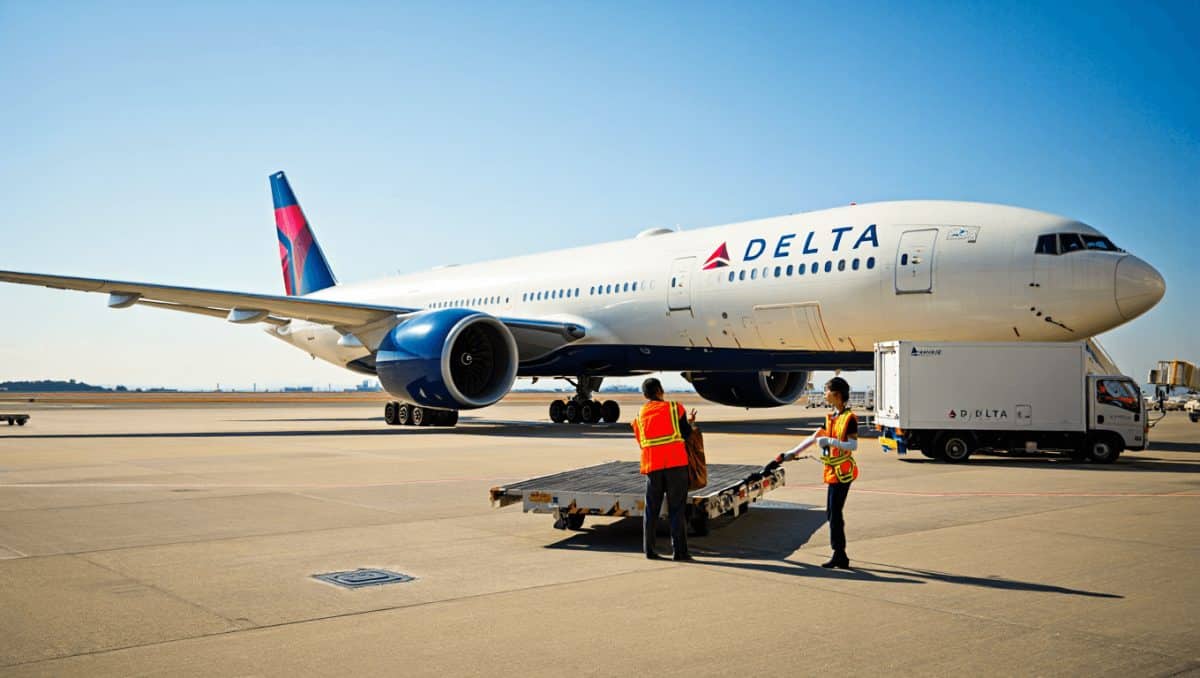
- Hub strength: Atlanta’s role as a Delta Air Lines hub drives high volumes of connecting passengers.
- Domestic demand: Strong U.S. domestic travel helps ATL outpace many international gateways.
- Operational density: High flight frequency and short taxi times keep throughput large.
O’Hare’s resurgence: what’s behind Chicago’s rise
Chicago O’Hare International Airport (ORD) has climbed the rankings thanks to restored international routes and increased domestic service.
Factors fueling O’Hare’s growth
- Route recovery: More long-haul flights resumed, boosting international passenger counts.
- Terminal upgrades: Investments in gates and infrastructure increased capacity.
- Airline strategy: Major carriers reallocated flights to leverage O’Hare’s central location.
Who else made the top 10: shifting global hubs
Beyond Atlanta and O’Hare, a set of airports stayed steady or climbed, reflecting regional demand and airline strategies.
- Dallas/Fort Worth (DFW) — strong domestic and transborder traffic.
- Denver International (DEN) — geographic advantage and leisure travel growth.
- Los Angeles International (LAX) — international gateway for the West Coast.
- Dubai International (DXB) — key transit hub for Europe-Asia traffic.
- Beijing area hubs — heavy domestic travel within China and regional connectivity.
- London Heathrow (LHR) — persistent international demand despite capacity limits.
- Tokyo Haneda or other major Asian gateways — growing business and leisure movement.
How passenger behavior reshaped airport rankings
Travel patterns since the pandemic changed which airports handle the most people. Leisure trips surged first, then business travel followed.
- Leisure rebounds faster: Vacation routes and weekend getaways pushed up volumes at airports near popular destinations.
- International recovery uneven: Border rules and airline schedules meant some international hubs lagged.
- Point-to-point growth: More nonstop services reduced transfers in some markets.
Airlines, slots, and infrastructure: the levers of change
Airport rankings are influenced by airline decisions and physical capacity. Small shifts in schedules can change passenger totals quickly.
- Airline hub strategies decide where connecting traffic concentrates.
- Slot constraints limit growth at some busy airports.
- Infrastructure projects such as new terminals or runways create room for expansion.
What travelers can expect at the busiest airports
High traffic volumes shape the passenger experience. Crowding, service variety, and ground transport all feel the impact.
- More flight options: Frequent departures and international connections help travelers reach more destinations.
- Potential delays: Peak times can mean longer security lines and gate congestion.
- Improved amenities: Retail, lounges, and transit links often expand to meet demand.
Key takeaways for aviation stakeholders and city planners
Shifts in airport rankings offer clues about regional recovery and investment priorities. Cities and airlines adjust strategies accordingly.
- Monitor route trends to anticipate passenger flows.
- Prioritize infrastructure in hubs with growing demand.
- Balance international connectivity with resilient domestic networks.
Where the data comes from and how rankings evolve
Airport rankings rely on reported passenger volumes, flight operations, and seasonal adjustments. Year-over-year comparisons show recovery patterns.
- Passenger counts: Include arrivals, departures, and transfer passengers.
- Flight operations: Takeoffs and landings indicate capacity use.
- Seasonal effects: Holidays and travel seasons can shift rankings temporarily.