Show summary Hide summary
- Why Monhegan Island Feels Like Iceland — and Why That Matters for Travelers
- Puffin Season: When to Go and What You’ll See
- Local Puffin Cruises and Typical Pricing
- Top Photo Spots and Drone Rules for Landscape Lovers
- Getting to Monhegan: Ferry Ports, Timing, and Tips
- Where to Stay: Local Inns, Cottages, and Island Charm
- Food, Culture, and Unexpected Quirks
- Safety, Population, and the Quiet Appeal
- Practical Packing and Planning Checklist for Monhegan
- Conservation and Responsible Wildlife Viewing
Off the usual East Coast itinerary lies a tiny Maine island that feels more like a North Atlantic dream than a New England getaway. Wind-swept cliffs, lonely cottages, and nearby seabird colonies give Monhegan Island an unexpected taste of Iceland — but it’s all right here in the U.S.
Why Monhegan Island Feels Like Iceland — and Why That Matters for Travelers
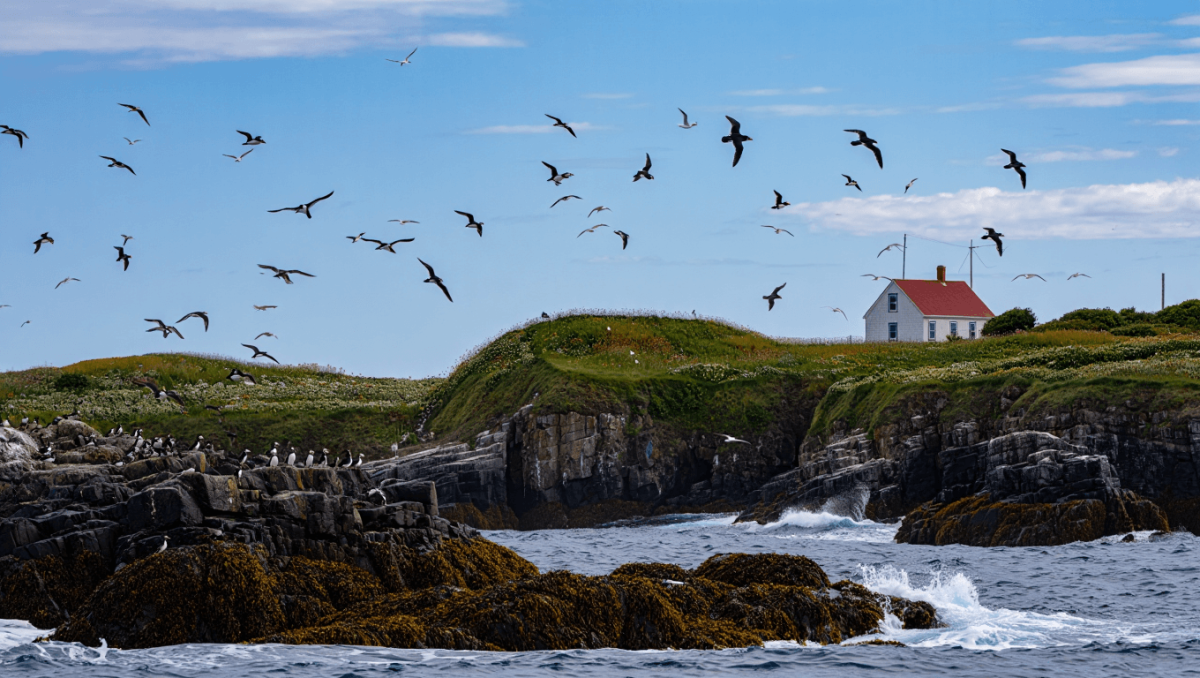
Monhegan’s coastline is raw and exposed. The island’s cliffs, open skies, and sparse population create a remote atmosphere. Visitors often compare the mood to Iceland’s quieter corners.
Sophia Laforteza of Katseye announces hiatus: comes months after Manon Bannerman’s exit
Delta to return to Tokyo Narita hub in 2027: 7-year comeback
Expect dramatic seascapes, chilly ocean air, and a compact community of year-round residents. That combination makes Monhegan ideal for travelers who want rugged scenery without an overseas flight.
Puffin Season: When to Go and What You’ll See
For many, the main draw is the puffin colonies that arrive each spring and summer. These colorful seabirds nest on offshore islands and are visible from local boat tours.
Best months for puffin watching
- Late May through August is peak season.
- Late May marks the earliest boat departures for guided cruises.
- June and July usually offer the most active nesting behavior.
Where the puffins nest near Monhegan
Eastern Egg Rock is the key site. Conservation efforts have helped puffin numbers rebound there. Guides report that up to about 150 nesting pairs can be observed in a season.
Local Puffin Cruises and Typical Pricing
Multiple local operators run puffin and nature cruises from nearby harbors. Booking early is wise on busy summer weekends.
- Hardy Boat Cruises — first scheduled boat typically in late May. Adult fares around $61.
- Puffin & Nature Cruise — often begins mid-June. Adult fares near $55.
Exact dates shift year to year. Check operator websites for current schedules and safety notices.
Top Photo Spots and Drone Rules for Landscape Lovers
Monhegan rewards photographers with wide horizons and stark rock formations. The island’s small footprint means you can walk between dramatic viewpoints in minutes.
- The Headlands — prime cliffs and sea-arch views similar to some Icelandic headlands.
- Coastal walking paths that lead to isolated promontories and shipwreck remains.
- Stargazing under clear skies, away from city light scatter.
Be aware recreational drone flights are restricted. That preserves quiet and limits viral social media exposure.
Getting to Monhegan: Ferry Ports, Timing, and Tips
Monhegan is reachable only by boat. Ferries and private charters leave from small Maine harbors.
- Departures commonly run from Port Clyde and New Harbor.
- Plan for variable sea conditions and bring layers. The weather changes fast on open water.
- Arrive early for summer sailings to secure a spot on popular tours.
Where to Stay: Local Inns, Cottages, and Island Charm
Accommodations are intimate and character-driven. Think colorful clapboard cottages and small inns rather than big hotels.
- Family-run B&Bs and inns offer the most authentic island experience.
- Book well in advance for summer weekends and festival dates.
- One well-known option locals praise is The Cracked Mug, a cozy, characterful choice for visitors.
Food, Culture, and Unexpected Quirks
Seafood is a highlight on Monhegan. Local menus lean heavily on fresh-caught fish and shellfish.
The island also features idiosyncratic attractions and a lively arts scene. Small galleries and handcrafted goods are common. The place mixes seafaring history with creative locals.
Safety, Population, and the Quiet Appeal
Maine consistently ranks near the top for public safety among U.S. states. That reputation extends to its small islands.
Monhegan’s year-round population is tiny — roughly a few dozen residents — which contributes to the island’s feeling of security and solitude. Visitors often describe the place as friendly and restful.
Practical Packing and Planning Checklist for Monhegan
- Packing layers: windproof jacket and warm mid-layer.
- Sturdy walking shoes for rocky trails and cliff edges.
- Binoculars and camera for puffin and seabird viewing.
- Cash or card options — small businesses may prefer one or the other.
- Check ferry policies for luggage limits and pet rules.
Conservation and Responsible Wildlife Viewing
Guides and rangers ask visitors to keep distance from nesting birds and stay on marked paths. Respecting closures helps protect fragile habitats.
Support local conservation efforts by following guidelines, using licensed tour operators, and avoiding disturbance of nesting areas.