Show summary Hide summary
- Details of the reported offer and what it could mean
- Why Spirit might pursue federal aid now
- Market and political reactions to the news
- Possible structure of the financing and safeguards
- Legal and regulatory hurdles that could slow a deal
- How this compares to past airline rescues
- What travelers and investors should watch next
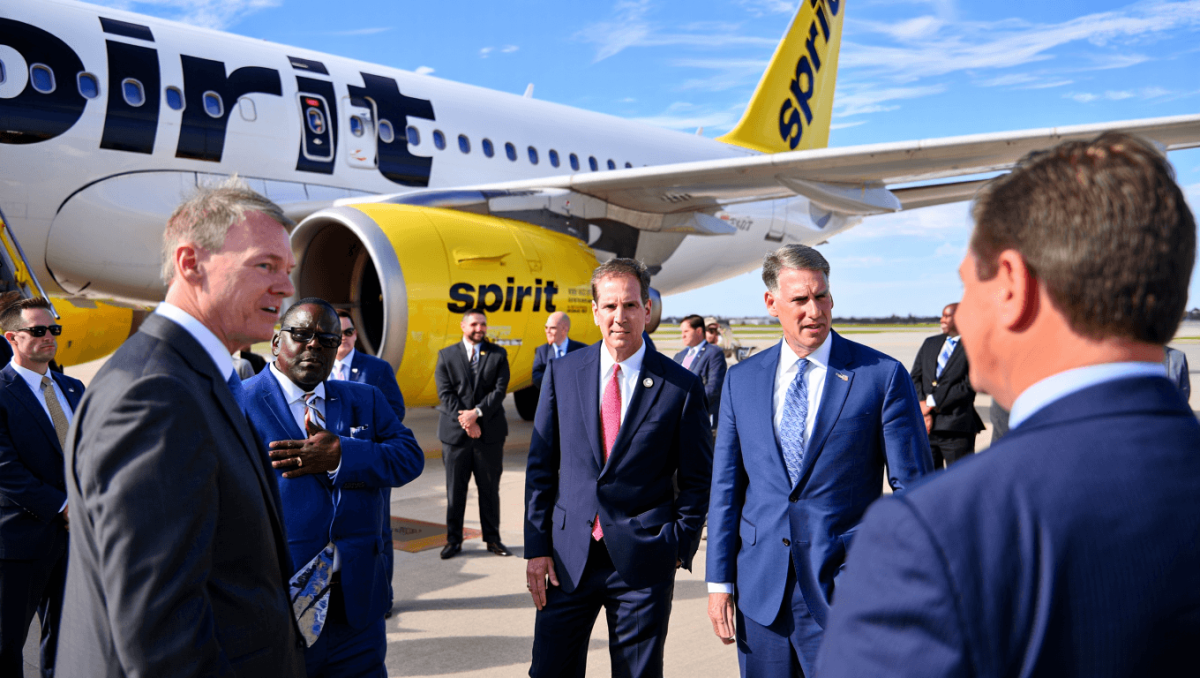
In a move that could reshape the U.S. aviation rescue playbook, Spirit Airlines has reportedly offered the federal government an equity position to secure emergency assistance. The proposal, disclosed in a fresh report, signals the carrier’s willingness to trade ownership stakes for financial support amid mounting operational and market pressures.
Details of the reported offer and what it could mean
According to the report, Spirit’s proposal would give the U.S. government a direct ownership interest in exchange for cash or guarantees. The airline hopes this would unlock relief quickly and shore up liquidity.
Sophia Laforteza of Katseye announces hiatus: comes months after Manon Bannerman’s exit
Delta to return to Tokyo Narita hub in 2027: 7-year comeback
- The equity instrument could take the form of preferred shares, warrants, or a minority stake.
- The deal reportedly aims to avoid severe cutbacks or layoffs and to stabilize routes.
- Any agreement would likely include conditions tied to performance and governance.
Giving the government an ownership position would be unusual for recent U.S. airline bailouts. It raises questions about control, oversight, and long-term strategy for Spirit.
Why Spirit might pursue federal aid now
Several pressures are converging on Spirit and its low-cost peers:
- Rising fuel costs and staffing shortages.
- Competitive fare wars with larger carriers.
- Debt-servicing needs and seasonal cash flow dips.
Executives have reportedly weighed the equity-for-aid route as a faster path to liquidity than raising private capital. The airline’s board may view a government stake as a bridge to more stable markets.
Market and political reactions to the news
Investors and lawmakers are likely to react with skepticism and scrutiny. Markets typically dislike dilution that erodes shareholder value. Meanwhile, elected officials will be sensitive to perceptions of using taxpayer funds.
- Shareholders could oppose terms that significantly diminish their holdings.
- Republican and Democratic leaders may push for strict conditions on safety and labor.
- Airline competitors might challenge preferential treatment in court or through regulators.
Political optics will be central. Any plan that appears to nationalize or heavily influence a private carrier could spark intense debate.
Possible structure of the financing and safeguards
Industry analysts outlined several structures that such a deal might follow. Each would aim to balance government protection with commercial flexibility.
- Preferred equity: government gets fixed returns ahead of common shareholders.
- Warrants: a temporary stake that can convert to stock at a later date.
- Debt guarantees: government backs loans without taking equity, paired with options to convert.
Any arrangement would likely include clauses on executive compensation, route commitments, and service levels. Regulators could demand transparency and audits during the term of the investment.
Legal and regulatory hurdles that could slow a deal
Moving from proposal to reality involves multiple gatekeepers. Federal agencies, competition authorities, and courts may all influence the timeline.
- The Department of Transportation would examine consumer impact and service obligations.
- Antitrust concerns could arise if the aid affects market competition.
- Congressional oversight might require hearings or legislative approval if taxpayer risk is significant.
Additionally, labor unions will press for protections tied to jobs and collective bargaining. These stakeholders can shape final terms or block approval.
How this compares to past airline rescues
Historically, U.S. airline support has taken many forms, from grants to loans. Direct equity stakes by the government have been rare.
- Past bailouts favored loans, tax relief, or wage subsidies.
- An equity stake would mark a more direct role in corporate governance.
- International precedents exist where states took ownership in carriers during crises.
Analysts caution that a government stake can stabilize operations but often complicates strategic decision-making and exit plans.
What travelers and investors should watch next
Key developments to monitor include formal filings, statements from regulators, and board disclosures. Each will clarify the seriousness and scope of the offer.
- Official confirmation from Spirit or government agencies.
- Details on valuation and the percentage of equity proposed.
- Reactions from major shareholders and lenders.
- Regulatory feedback and any required approvals.
Short-term effects could include volatility in Spirit’s stock and potential shifts in route planning. Long-term impacts depend on how ownership and oversight are structured.