Show summary Hide summary
- What the cutback actually means for the 2026 schedule
- Why the Airbus A340-600s are being grounded
- Operational fallout: crews, slots and maintenance
- What this means for passengers and bookings
- Financial outlook and cost savings
- How the market reacted and competitive context
- Next steps and what travelers should monitor
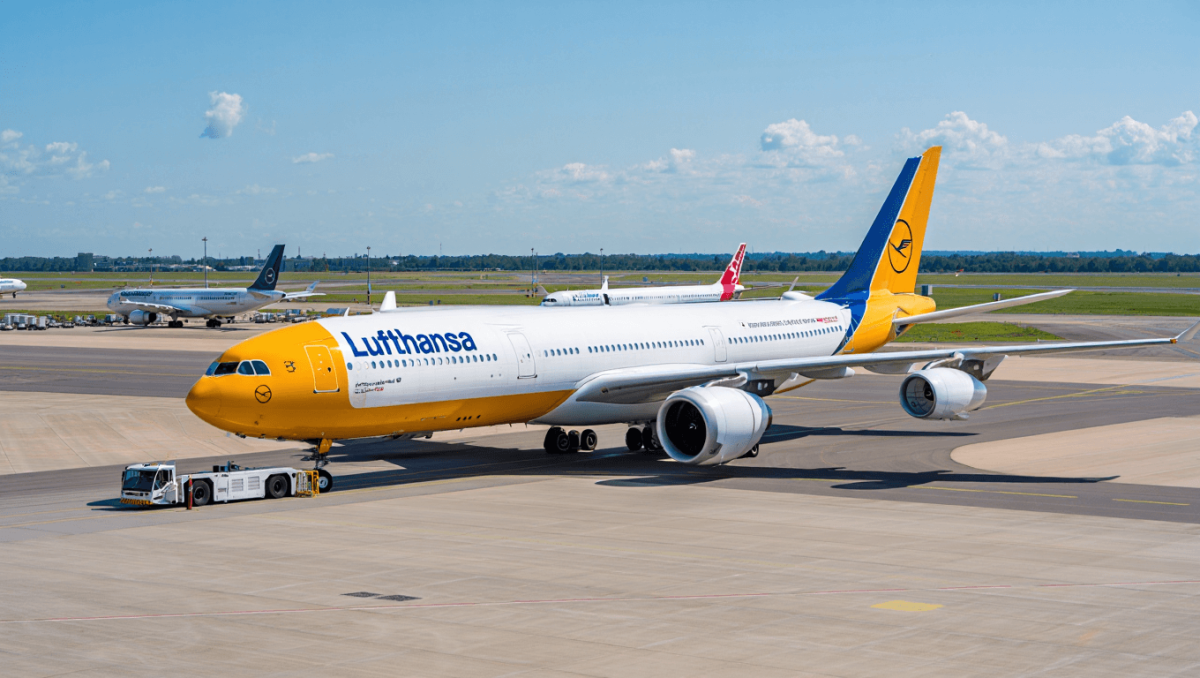
Lufthansa has announced a major reshuffle of its 2026 flying program, removing roughly 20,000 scheduled flights and sidelining its Airbus A340-600 fleet. The carrier said soaring fuel bills and network efficiency drove the move, and travelers and industry observers are already bracing for ripple effects across long-haul services and hub operations.
What the cutback actually means for the 2026 schedule
Sophia Laforteza of Katseye announces hiatus: comes months after Manon Bannerman’s exit
Delta to return to Tokyo Narita hub in 2027: 7-year comeback
The airline’s change affects thousands of planned departures across its global network.
- Scale: About 20,000 flights will be dropped from next year’s timetable.
- Timing: Reductions are tied to the 2026 booking year and may be phased.
- Geography: Long-haul sectors are most vulnerable, although short-haul adjustments are possible.
Lufthansa frames the cuts as a way to align capacity with demand while trimming fuel-driven costs. Industry analysts say the carrier aims to protect margins as kerosene prices remain elevated compared with recent years.
Why the Airbus A340-600s are being grounded
The A340-600 is a four-engine heavy that burns more fuel than modern twinjets. Lufthansa’s decision to park these jets centers on economics and emissions.
- Fuel consumption: Four-engine types have higher fuel burn per seat than newer twins.
- Cost pressure: High jet fuel prices make the A340-600 less viable on long-haul routes.
- Fleet modernisation: The airline is pushing newer, more efficient aircraft to cover demand.
Grounding the A340-600s reduces immediate fuel spend. It also accelerates the push to replace older types with Airbus A350s, Boeing 787s, or other fuel-efficient models where possible.
Operational fallout: crews, slots and maintenance
Removing flights and aircraft ripples through day-to-day operations.
- Crewing rosters will need reshaping. Pilots and cabin staff may face reassignment or roster cuts.
- Airport slot portfolios could be renegotiated at congested hubs.
- Maintenance planning changes as fewer heavy jets require less specialized support.
Industry insiders warn that job and roster changes could be sensitive politically and operationally, especially at Lufthansa’s major hubs in Frankfurt and Munich.
Network and partner implications
Code-share partners and alliances will also feel the impact. Some routes may be handed to partners. Others could see frequency reductions.
What this means for passengers and bookings
Travelers should expect altered schedules, cancellations, and rebooking options.
- Passengers on affected flights will be offered alternatives, reroutes, or refunds.
- Loyalty benefits and award redemptions may be adjusted if flights disappear.
- Customers with long-haul tickets should check itineraries and airline communications.
Booking agents recommend rechecking reservations and moving flexible tickets early, as available alternatives may fill fast.
Financial outlook and cost savings
Cutting flights and grounding older aircraft are immediate levers to reduce spending.
- Fuel savings: Lower flying hours on thirsty jets trims kerosene bills.
- Opex reduction: Fewer departures mean less handling, catering, and airport fees.
- Balance-sheet impact: Short-term savings could help margins while fleet renewal programs continue.
Analysts say these steps are defensive. They protect short-term profitability while Lufthansa pursues long-term fleet efficiencies.
How the market reacted and competitive context
Investors and rival carriers are watching closely. Competitors may pick up displaced demand or adjust capacity in response.
- Shares in carriers with younger twinjet fleets may gain an advantage.
- Regional rivals could benefit on intra-Europe leisure routes.
- Cargo operations might absorb some aircraft or capacity temporarily.
Next steps and what travelers should monitor
Passengers, travel managers, and freight customers should track communications from Lufthansa.
- Check booking emails and the airline website for schedule updates.
- Review rebooking and refund policies for affected flights.
- Watch for route restorations or partner substitutions.
Frequent flyers should also monitor loyalty program notices and elite status protections.