Show summary Hide summary
- Braun’s version: limited encounters, lasting fallout
- How the dispute began: the sale of Swift’s masters
- Swift’s response and the wider allegations
- What happened next: resale and re-recordings
- Swift’s buyback and emotional reaction
- Braun’s public stance after the buyback
- Industry ripple effects: ownership, power and artist strategies
- The present moment: ongoing shifts in music business norms
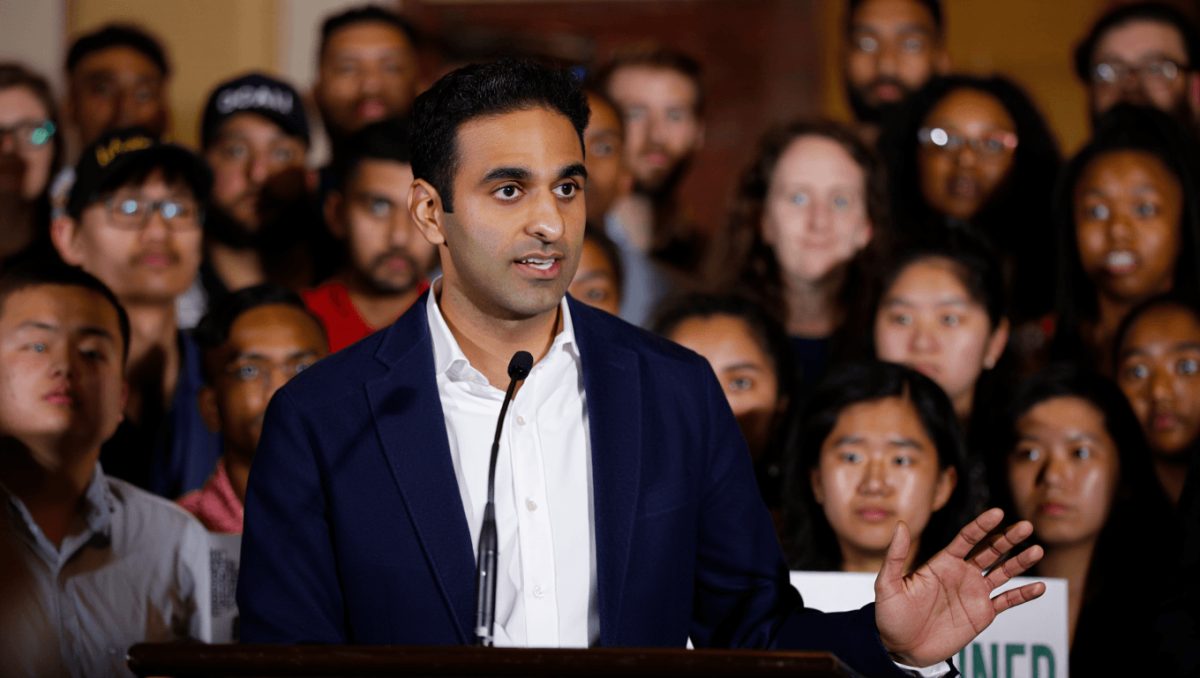
Scooter Braun has returned to the spotlight to address the long-running dispute with Taylor Swift, saying he remains baffled by the intensity of the backlash after acquiring her early recordings. On a recent podcast, Braun described minimal personal contact with Swift and framed the episode as a moment that reshaped conversations about artists’ ownership of their work.
Braun’s version: limited encounters, lasting fallout
On a new episode of the “Second Thought” podcast, Braun pushed back against the idea that he and Swift had an ongoing personal feud. He said their interactions were rare and brief, and that he never had a deep or sustained conversation with her. He characterized himself as a near-stranger to Swift despite the public drama.
100,000 Chase points: score business-class flights to Japan
Rhea Ripley injury update: major setback leaves fans furious
Braun recalled one private event where Swift reportedly expressed respect for him. Beyond that, he said, contact was minimal. He added that the controversy painted him as a villain in the court of public opinion almost instantly.
How the dispute began: the sale of Swift’s masters
The conflict traces back to 2019, when Braun purchased the rights to Swift’s first six studio albums. Those records included:
- Taylor Swift (debut)
- Fearless
- Speak Now
- Red
- 1989
- Reputation
The acquisition came through Braun’s involvement with Big Machine Records and stirred immediate backlash from Swift and many fans. She publicly stated that she was devastated not to have been given the chance to regain those masters herself.
Swift’s response and the wider allegations
Swift made a forceful public statement after the sale, saying the decision left her feeling betrayed and stripped of her life’s work. She also alleged that years of mistreatment by people connected to Braun had affected her deeply.
Her reaction ignited widespread discussion about power dynamics in the music business and the rights artists hold over recordings they create.
What happened next: resale and re-recordings
After Braun’s initial acquisition, the catalog was sold to an investment group, Shamrock Capital, in late 2020. That change of hands did not end the controversy.
Rather than accept the loss of control, Swift pursued a strategy many saw as a model for other artists: she began re-recording earlier albums. By revisiting those works, she aimed to offer fans versions she owned outright.
Key milestones
- 2019: Masters tied to Swift’s first six albums sold via Big Machine Records.
- November 2020: Shamrock Capital buys the masters from Braun.
- 2021–2024: Swift releases re-recorded versions of several past albums.
- May 2025: Swift announces she repurchased her masters from Shamrock Capital.
Swift’s buyback and emotional reaction
In May 2025, Swift disclosed that she had regained ownership of her original masters. She described the moment as emotional and said it felt like a long-sought victory finally achieved. She framed the buyback as reclaiming her creative legacy.
Swift’s announcement stressed the personal weight of the decision and how it closed a chapter that had dragged on for two decades in various forms.
Braun’s public stance after the buyback
Braun later reacted publicly to Swift’s repurchase, expressing that he was pleased she had regained control. On the podcast, he reiterated that he wished her well and claimed he still does not grasp why the situation became so heated.
He also said the episode taught him lessons about how the industry and audiences view ownership and influence.
Industry ripple effects: ownership, power and artist strategies
The dispute highlighted a growing trend: artists pushing to retain or reclaim master rights. Industry observers say Swift’s high-profile actions accelerated conversations about contract terms and creative control.
- More artists are negotiating for master ownership.
- Re-recording older albums has become a practical strategy.
- Labels and investors are rethinking long-term rights deals.
Experts note that the controversy helped normalize actions artists take to protect their catalogs.
The present moment: ongoing shifts in music business norms
Both Braun and Swift remain prominent figures in music headlines. The conflict brought public scrutiny to the mechanics of record ownership and set off a broader re-evaluation of how creators can protect their work.
As the industry continues to adapt, the debate over masters and artist autonomy is likely to remain a recurring topic in entertainment coverage.