Show summary Hide summary
- Why the 2026 World Cup is an unmissable moment for marketers
- Big sponsors set the tone — and create space for smaller players
- Flavor-first marketing: how Crumbl Cookies turned World Cup hype into product drops
- Local activations that drive foot traffic and loyalty
- Olipop’s summer play: block parties and out-of-home presence
- Prize mechanics and loyalty growth: turning purchases into entries
- Legal and brand-safety considerations when aligning with the World Cup
- Lessons from this year’s campaigns for future event marketing
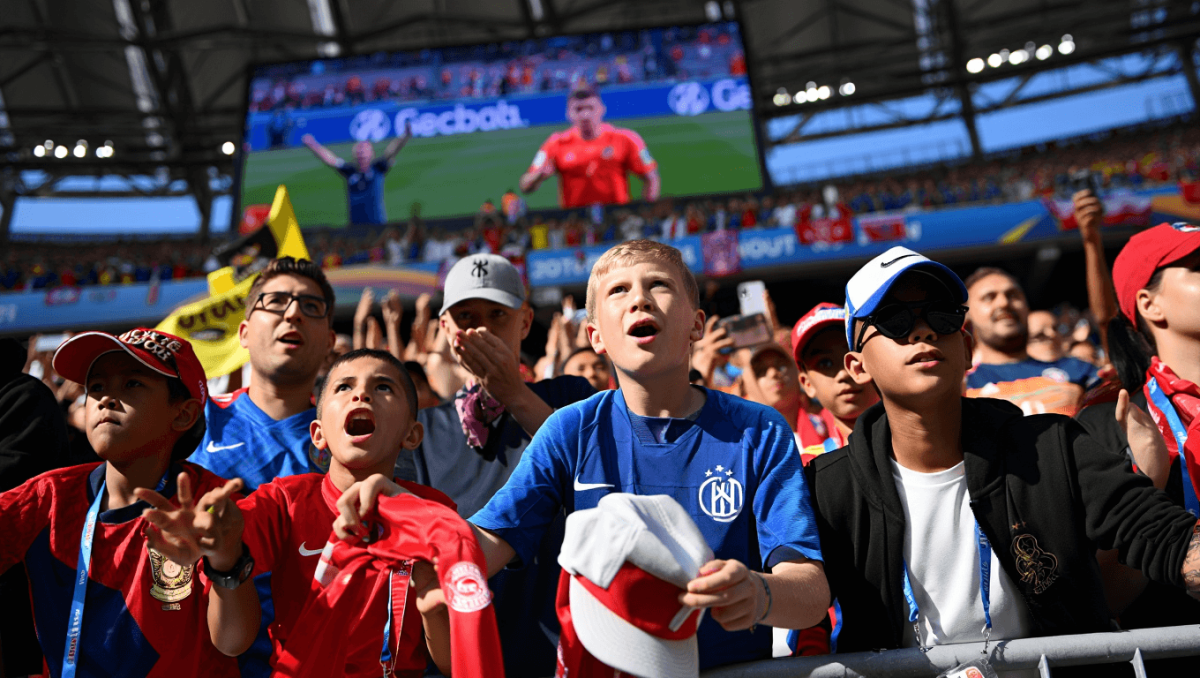
Brands of every size are staking claims on summer’s biggest cultural event, turning stadium buzz into store traffic and social chatter. From global sponsors splashing ads across screens to nimble startups hosting watch parties, marketers are trying new plays to capture fans’ attention during the 2026 FIFA World Cup.
Why the 2026 World Cup is an unmissable moment for marketers
With the World Cup taking place across the United States, Canada and Mexico, advertisers see an unparalleled marketing window. The tournament spans nearly six weeks and includes a record number of matches. That scale gives both multinational and local brands more opportunities to reach live audiences and travelers.
Sophia Laforteza of Katseye announces hiatus: comes months after Manon Bannerman’s exit
Delta to return to Tokyo Narita hub in 2027: 7-year comeback
A recent Bank of America Global Research note projects deep global engagement for this edition. Brands in beverages, sportswear, restaurants, broadcasting, social media and betting are particularly positioned to benefit.
Big sponsors set the tone — and create space for smaller players
Household names like Nike, Adidas, Coca‑Cola and Anheuser‑Busch dominate official sponsorships. Their campaigns are high-profile and heavily bought across media. Yet that prominence can help smaller brands by amplifying interest in the event.
Smaller marketers lean on timing and proximity rather than multimillion-dollar rights deals. They focus on localized activations, limited runs and social-first creativity to surf the global wave without infringing on trademarked assets.
Flavor-first marketing: how Crumbl Cookies turned World Cup hype into product drops
Crumbl Cookies used the tournament as a product innovation moment. Instead of chasing official sponsor status, the company created themed flavors tied to the host countries. The move leans on Crumbl’s strength: short-run, attention-grabbing flavor releases.
What Crumbl did
- Launched limited-edition cookies inspired by the United States, Canada and Mexico.
- Partnered with a spice brand to create a tangy, regionally inspired cookie.
- Planned the rollout to coincide with the match schedule and fan travel.
Crumbl also expects novelty flavors to spark online conversation. One example is a cookie that recreates the taste profile of a popular hydration drink. That choice is designed to create curiosity and social sharing.
Product creativity plus social promotion is the formula: the brand pairs in-store availability with polls, themed visuals on its app and other social activations to keep engagement high.
Local activations that drive foot traffic and loyalty
Retailers and restaurants are using giveaways and viewing events to turn casual shoppers into loyal customers. These tactics play well in cities hosting matches and near hotels that will host tourists.
Notable examples
- Pizza shops offering purchase-based entries to win match tickets.
- Soda brands sponsoring multi-week block parties downtown.
- Street teams and pop-ups handing out branded swag and jersey patches.
Such activations do more than create a momentary spike. They help brands capture emails, drive loyalty sign-ups and grow referral programs, extending value well beyond a single game.
Olipop’s summer play: block parties and out-of-home presence
Olipop, the functional soda maker, chose a place-based approach in a World Cup host city. The brand backed a month-long block party timed with match days, offering a branded soda bar and custom patches for fans’ jerseys.
In parallel, Olipop placed outdoor ads near stadiums and downtown hotel corridors in key markets. The brand’s creative ties into its recent rebrand and the tagline emphasizing feel-good refreshments — a natural fit for warm-weather watch gatherings.
Combining live events with OOH and influencer partnerships helps Olipop reach both local fans and visiting travelers during the tournament.
Prize mechanics and loyalty growth: turning purchases into entries
Giveaway mechanics are a popular tool for converting sales into marketing moments. One chain ran a “slice to win” ticket giveaway in multiple cities. They increased engagement by rewarding loyalty program sign-ups and referrals with extra entries.
- Purchase = one entry
- Sign up = multiple entries
- Refer a friend = bonus entries
This structure both incentivizes immediate spending and boosts the brand’s ability to remarket to customers after the tournament.
Legal and brand-safety considerations when aligning with the World Cup
Major events are heavily protected by trademark rules. Brands without official rights must be careful with naming and imagery. Many choose generic but obvious phrasing to avoid disputes.
For example, substituting event names with neutral terms for promotions keeps campaigns compliant while remaining understandable to consumers. This strategy reduces legal risk and keeps creative freedom intact.
Lessons from this year’s campaigns for future event marketing
Several themes emerge from these activations that brands of any size can use in later campaigns.
- Time product drops to match heightened interest windows.
- Use limited availability to drive urgency and social buzz.
- Pair in-person events with digital follow-ups to capture long-term value.
- Keep messaging flexible to avoid trademark conflicts.
- Leverage partnerships with athletes and local influencers to boost authenticity.
Successful campaigns blend creativity, timing and compliance. They create memorable moments that extend beyond the final whistle.