Show summary Hide summary
- Why certain Asian countries are rolling out the welcome mat
- Sri Lanka: reinvention, tea, beaches and iconic train rides
- Philippines: islands calling beyond Manila’s chaos
- Vietnam: record-breaking crowds and a push into highlands
- Myanmar: extraordinary temples, complex safety landscape
- How to plan smarter when a country invites visitors
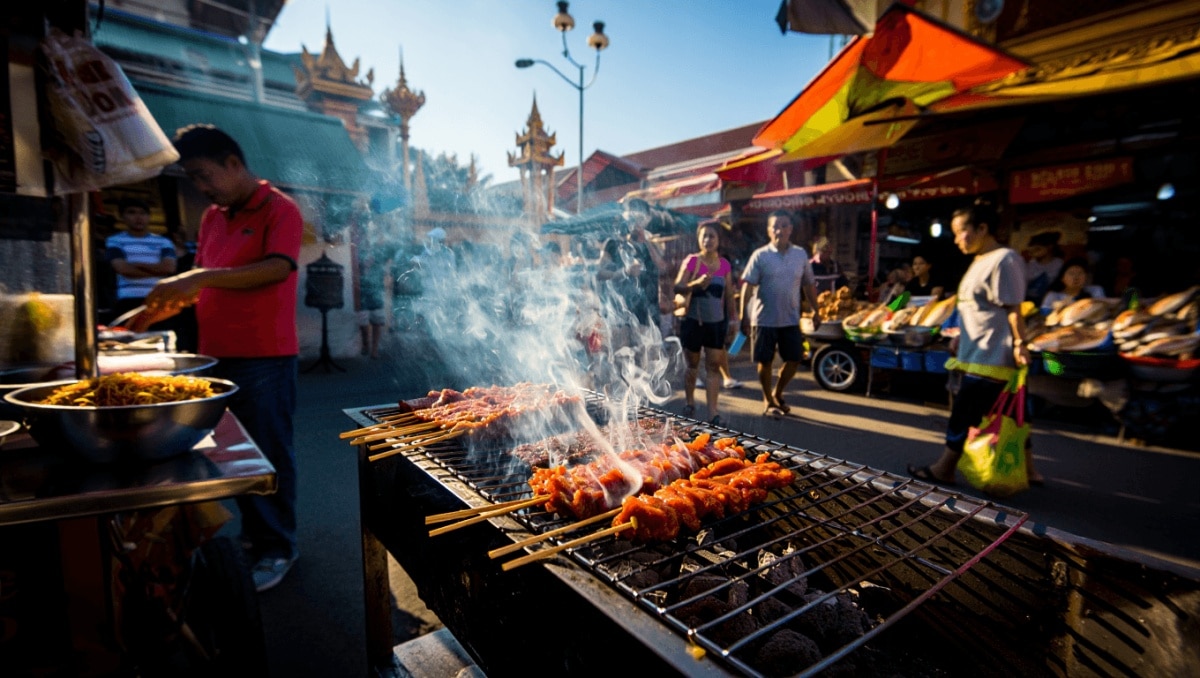
Asia still sells itself by smell: sizzling street food, temple incense, and salt on island winds. Those sensory-first moments lure travelers faster than glossy photos. As some Asian destinations boom, several countries are now actively inviting more visitors with refreshed campaigns and incentives.
Why certain Asian countries are rolling out the welcome mat
After pandemic slowdowns, national tourism boards want travelers back. They aim to shift perceptions, revive local economies, and spread visitors beyond crowded hotspots. At the same time, reports of overtourism make some places cautious. The results are targeted marketing drives, partnerships with global booking platforms, and efforts to upgrade safety messaging.
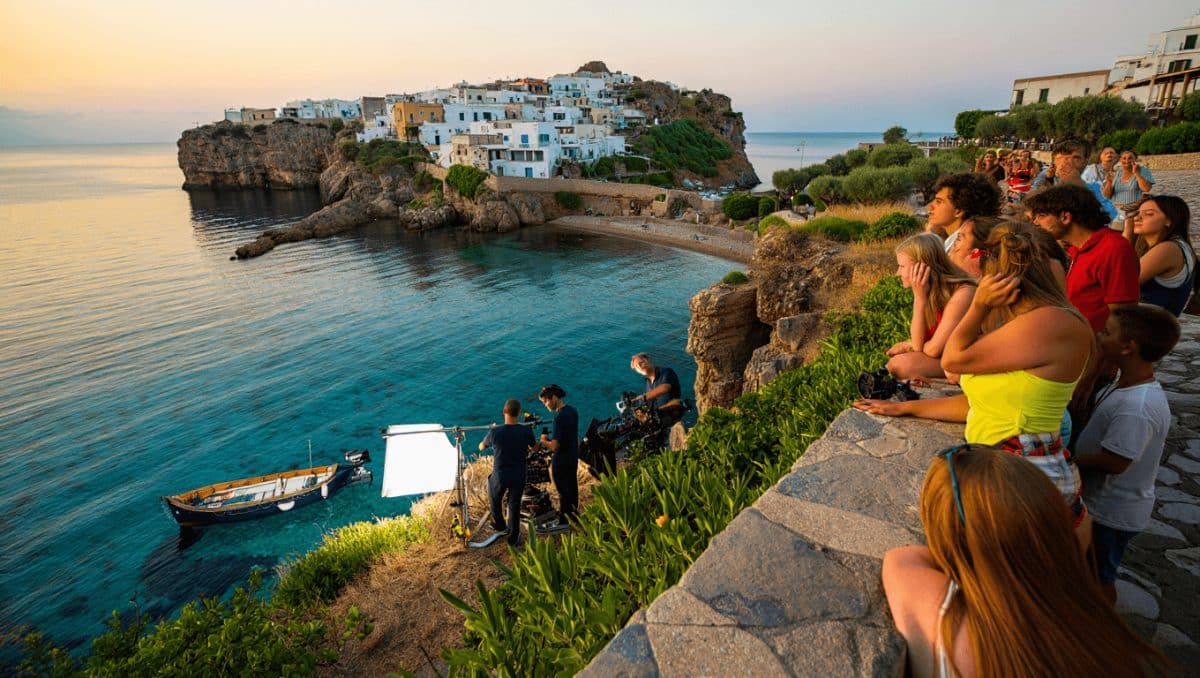
Christopher Nolan’s Italian island where he filmed The Odyssey becomes Europe’s next tourism hotspot
Amex Resy credit just got tastier: Tock officially joins Resy
Traveler interest varies by niche. Digital nomads, backpackers, and experience seekers respond differently than honeymooners. That shapes how countries promote beaches, heritage, festivals, and adventure tourism.
Sri Lanka: reinvention, tea, beaches and iconic train rides
Sri Lanka has been on a comeback trail. The island is marketing itself as more than a sun destination. Think Ceylon tea, cricket culture, wildlife parks and coastal surf. Visitors often rave about its scenic train routes and compact diversity.
Top experiences to add to your list
- Tea estate tours in the highlands and tea-tasting sessions.
- Wildlife safaris for elephants and leopards in national parks.
- Coastal towns for surf, snorkeling, and golden beaches.
- Scenic train rides through emerald hills and cloud forests.
Practical travel tips
- Expect a mix of boutique hotels and budget hostels.
- Local transport can be slow; trains are memorable but not fast.
- Travelers currently rate safety around 75/100 on independent indices.
- Research entry rules and health advisories before booking.
Philippines: islands calling beyond Manila’s chaos
The Philippines offers some of Asia’s most dramatic island scenery. But Manila’s congestion and social challenges can surprise first-time visitors. Still, the archipelago’s beaches, dive sites and island-hopping routes keep people coming.
Must-see island escapes
- Cebu for easy access, waterfalls and a growing hospitality scene.
- Palawan and El Nido for karst cliffs and hidden lagoons.
- Siargao for surfing and relaxed island vibes.
What to know before you go
- Manila often serves as a transit hub rather than a destination.
- Campaigns with platforms like Agoda aim to highlight less-known islands.
- Current traveler safety ratings sit near 74/100.
- Plan island transfers carefully; weather affects schedules.
Vietnam: record-breaking crowds and a push into highlands
Vietnam has become a magnet for international tourists. It pairs budget-friendly travel with rich culture and varied landscapes. The tourism strategy now highlights highland villages, coffee culture, and eco-adventures as ways to lengthen stays.
Highlights to explore
- Ha Long Bay cruises and coastal islands.
- Terraced rice fields in the north and mountain treks.
- Vibrant street food and coffee scenes in Hanoi and Ho Chi Minh City.
- Emerging eco-tourism spots and local festivals.
Important traveler notes
- Vietnam is widely seen as one of Asia’s safer destinations, with safety scores around 90/100.
- Americans cannot drive on a U.S. license or a standard international permit alone. Check local rules.
- Expect both bustling cities and quiet rural regions; plan time for both.
Myanmar: extraordinary temples, complex safety landscape
Myanmar remains one of Asia’s least-visited and most visually compelling destinations. Ancient pagodas, low-cost dining, and warm local hospitality draw adventurous travelers. But the country is navigating a difficult political reality.
Why travelers marvel at Myanmar
- Iconic temple plains and centuries-old religious sites.
- Distinctive local food and inexpensive daily life costs.
- Remote regions that feel untouched by mass tourism.
Urgent safety and entry cautions
- Official travel warnings list Myanmar at a high risk level; some agencies use a Level 4 advisory.
- Independent safety trackers show a low score near 15/100.
- Travelers should verify evacuation plans, insurance coverage, and visa rules before considering a trip.
- Even if tourism campaigns promote a brighter image, the on-the-ground situation can change quickly.
How to plan smarter when a country invites visitors
When a destination actively seeks tourists, promotions may accelerate travel volume. That can mean better hotel deals, but also sudden changes in local services. A cautious, informed approach helps.
- Check up-to-date entry requirements and visa rules.
- Consult government advisories and independent safety indexes.
- Book flexible fares and refundable accommodations where possible.
- Respect local communities and avoid overwhelmed sites.