Show summary Hide summary
- How the Snatch Stick launch unfolded and the tactics used
- Immediate pushback on social platforms and why it landed poorly
- Creators split between praise and criticism
- Marketing experts call the campaign a strategic misstep
- Specific criticisms about the “glambulance” and imagery
- How Tarte responded and the metrics it shared
- How the episode fits into a pattern of past controversies
- What creators reported when unpacking the PR kits
- Industry takeaways and the debate ahead
Tarte Cosmetics’ launch of the Snatch Stick has ignited a storm online. The product’s playful pitch collided with sensitive topics, and the brand now faces intense scrutiny from creators, experts and shoppers.
How the Snatch Stick launch unfolded and the tactics used
Miley Cyrus gushes over godmother Dolly Parton: the most loved person on the planet
Dolly Parton cause of death revealed: family confirms she secretly battled cancer
Tarte introduced the Snatch Stick as a dual-purpose contour tool priced at $26. The brand framed the product as an easy way to sculpt features with makeup rather than medical procedures.
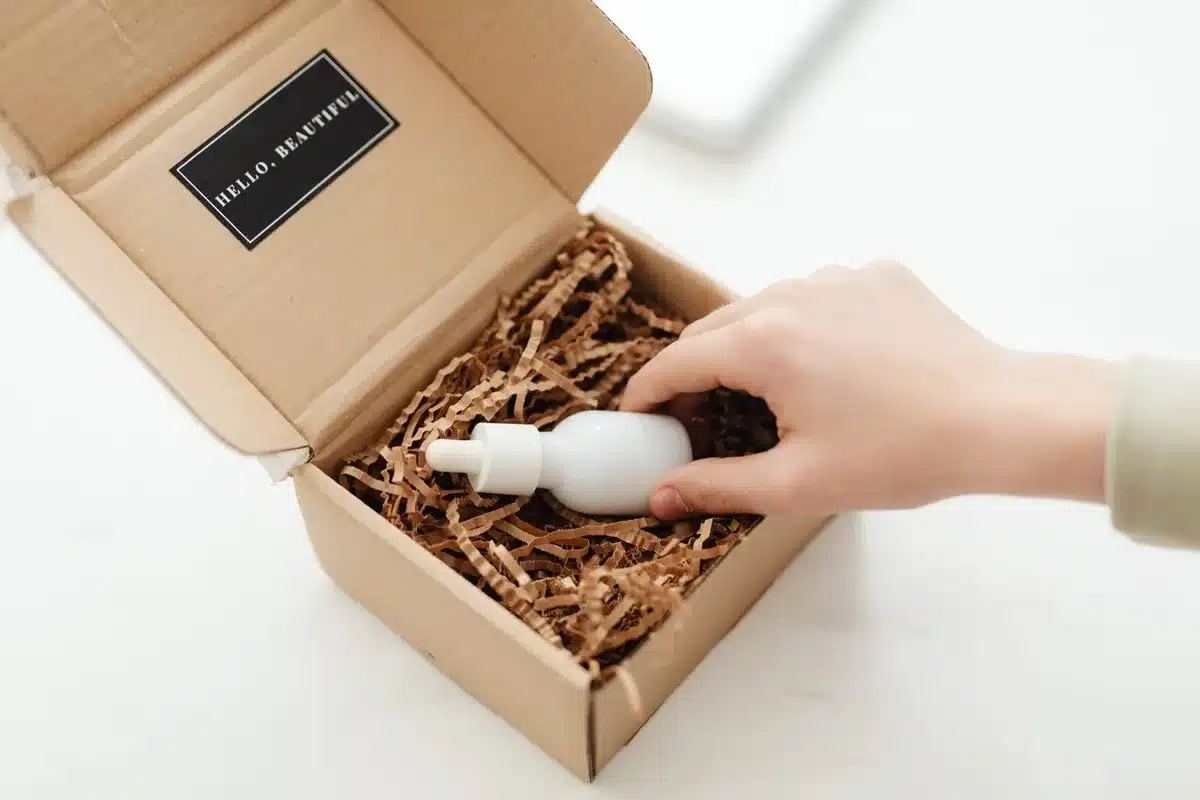
To promote the launch, Tarte sent out highly staged PR kits and staged on-street activations. Two central elements stood out:
- PR boxes that included printed photos of recipients with dotted surgical-style markings.
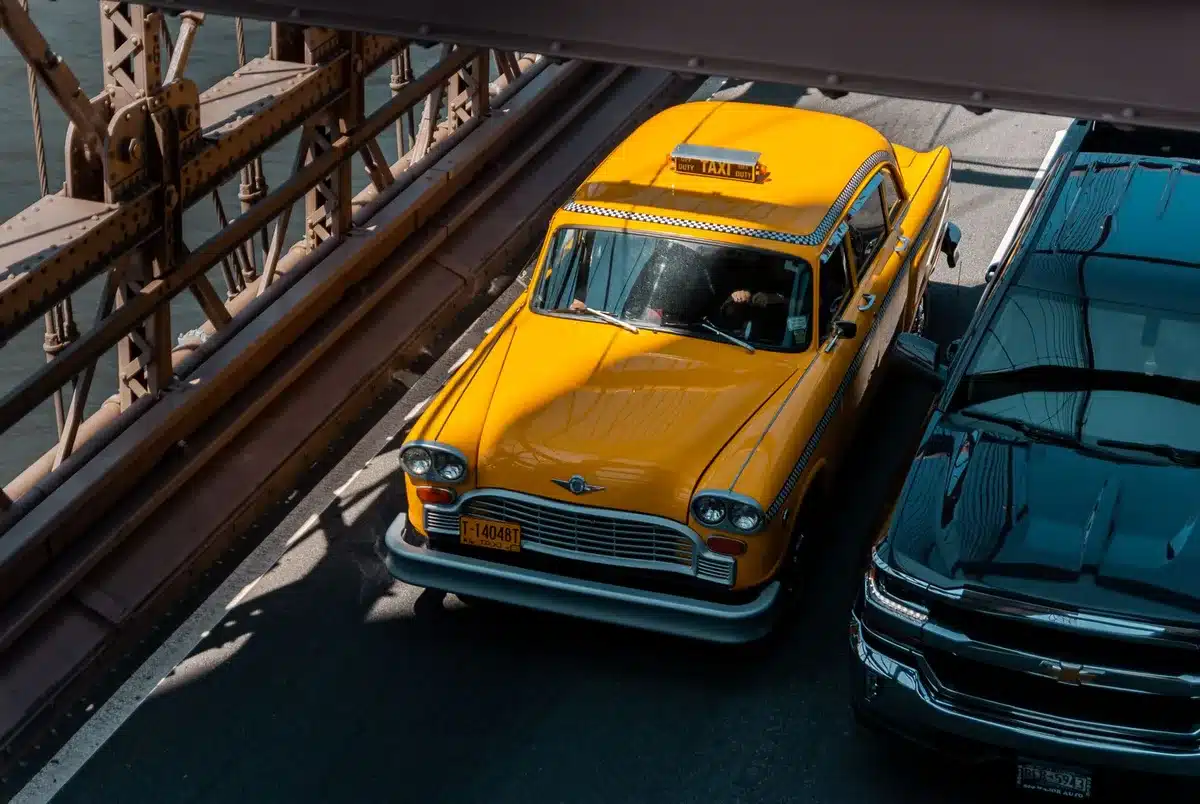
- A branded, converted ambulance — the so-called “glambulance” — staffed with makeup artists in scrubs offering on-site contour consultations.
Both moves were intended to be tongue-in-cheek, using cosmetic surgery imagery to sell the idea that makeup can mimic procedural results.
Immediate pushback on social platforms and why it landed poorly
The campaign produced a sharp divide online. Many viewers said the stunt felt like pressure to change one’s appearance. Others called the activation disrespectful to first responders.
- Emotional harm: Some creators said being sent marked-up photos felt invasive and undermining to their confidence.
- Mocking serious care: Observers argued that a staged ambulance and bandage imagery trivialized medical emergencies and treatments.
- Boycott calls: A number of users pledged to stop buying from the brand over the campaign.
First-person reactions that amplified the controversy
Several creators posted unboxing videos showing the same PR materials. One creator described finding dotted lines and a list of suggested procedures in a package that matched other recipients’ boxes. She shared how the item undercut a day she had felt confident about her appearance, and the clip ended with visible emotion.
Creators split between praise and criticism
Not every response was negative. Some influencers and followers treated the campaign as harmless fun. A portion of user posts praised the tool for delivering dramatic contour effects.
- Positive posts highlighted quick contour results and playful packaging.
- Other creators defended the stunt as a lighthearted way to promote makeup technique.
- But for many, the novelty did not outweigh the perceived insensitivity of the approach.
Marketing experts call the campaign a strategic misstep
Academics and PR pros weighed in, describing the rollout as a risky bet. One marketing professor said the kits were a poor long-term tactic because they risk alienating the community that supports the brand.

Communications professionals described the activation as deliberate provocation that bordered on “rage-bait” marketing. They warned that controversy can raise short-term visibility but harm brand trust.
Specific criticisms about the “glambulance” and imagery
Critics argued the ambulance stunt could be triggering. Observers noted people with real medical trauma might find bandaged imagery disturbing.
- Some viewers recalled personal experiences with ambulances and medical care.
- Others said the visual language of surgery should not be used flippantly in consumer marketing.
How Tarte responded and the metrics it shared
Tarte addressed the backlash by saying the idea was rooted in makeup artistry and meant to celebrate contouring as a temporary, non-surgical option. The brand emphasized it never intended to imply anyone needed to change their look.
Tarte also cited performance numbers:
- Snatch Stick sold 2.4 times its initial first-week forecast.
- Forty-two percent of buyers were new to the brand.
- The company moved 65% of its starting inventory within seven days.
- The launch generated over 5 million views across social content.
The company said most measured conversation was positive, but that it is paying attention to critical feedback.
How the episode fits into a pattern of past controversies
The Snatch Stick rollout didn’t come in isolation. Observers pointed to earlier Tarte decisions that drew criticism, including ill-timed influencer events and overseas trips that some viewed as tone-deaf.
- Past theme events that coincided with real-world emergencies prompted backlash.
- High-profile influencer trips during economic hardship triggered conversations about optics and brand priorities.
What creators reported when unpacking the PR kits
Unboxing videos were central to how the campaign spread. Some creators demonstrated product performance and praised contouring results. Others showed the marked photos and a mock “prescription” suggesting cosmetic procedures.
That contrast — product praise on one side and emotional fallout on the other — helped fuel a broad, mixed reaction across platforms.
Industry takeaways and the debate ahead
For marketers, the episode raises familiar tensions: how far can playful branding go before it offends? Experts say brands must weigh short-term buzz against long-term relationships.
- Appeal to community values rather than shock tactics.
- Test creative concepts with diverse audiences before wide distribution.
- Consider the emotional and cultural context of imagery used in campaigns.
As the conversation continues, Tarte says it will use the feedback to shape future messaging, and creators continue to post both positive reviews and critiques about the product and campaign.