Show summary Hide summary
- How the new ChatGPT carousel functions
- Why this mirrors established shopping ads
- What ad creators and retailers should expect
- Timing matters: holiday season and ad budgets
- Business stakes and revenue targets
- How the carousel changes competitive dynamics
- Implications for user experience and discovery
- What advertisers are saying
- Comparison with current ad formats in ChatGPT
- Next steps and what to monitor
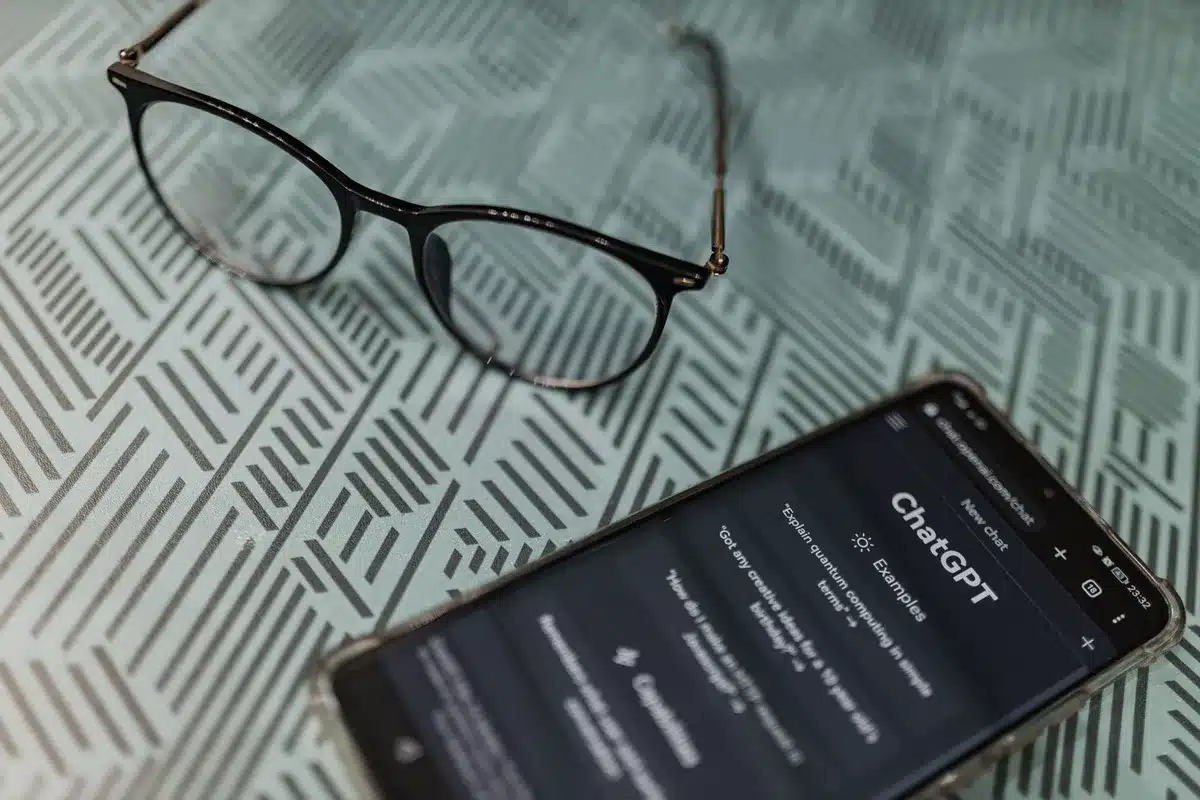
OpenAI is expanding how ads appear inside ChatGPT by testing a multi-product carousel that sits at the bottom of conversations. The move shifts the chat assistant toward a more conventional shopping layout and could change how retailers and advertisers reach users during moments of search and discovery.
How the new ChatGPT carousel functions
Miley Cyrus gushes over godmother Dolly Parton: the most loved person on the planet
Dolly Parton cause of death revealed: family confirms she secretly battled cancer
The carousel surfaces several product tiles inside a single ChatGPT ad unit. Each tile includes an image, brief copy and a link, and the whole placement appears below the chat thread like existing ads do.
- Multiple items in one slot: Instead of a lone product card, the unit shows multiple products in a row.
- Feed-driven creative: OpenAI can pull product details from retailers’ feeds rather than requiring manual ad creation.
- Automated selection: The platform appears to decide when to show a single-product ad or the carousel.
Why this mirrors established shopping ads
The design resembles Google’s Shopping feed and other e-commerce carousels. The idea is to make a ChatGPT ad more browseable and instantly shoppable, reducing the friction between discovery and purchase.
For advertisers, that means fewer bespoke creative tasks. OpenAI can generate a set of product cards from a merchant’s catalog and choose which items to surface together based on relevance and inventory.
What ad creators and retailers should expect
Early pilots with agencies and adtech partners show the format is live in some tests. Right now the carousel typically displays items from a single retailer, but the system is built to handle multiple brands later.
- Advertisers may not pick carousel vs. single-card; OpenAI’s systems make that call.
- Retailers should ensure product feeds are accurate and rich with images and descriptions.
- Adtech partners will likely update connectors and automation to support feed-based campaigns.
Operational changes for marketing teams
Marketing teams that already use feed-based campaigns can scale quickly. Instead of creating many individual units, they can rely on automated ingestion and let the platform assemble cards dynamically.
Timing matters: holiday season and ad budgets
The rollout aligns with advertisers prepping for the holidays. Q4 is the biggest revenue window for retail ad spend, and a more shoppable chat placement could attract extra dollars.

Industry sources say OpenAI is guiding advertisers to adopt feed-driven ads ahead of peak shopping months. Agencies expect spend to ramp through Q3 and peak in Q4, when marketers finalize budgets for the year ahead.
Business stakes and revenue targets
OpenAI has been publicly linked to ambitious ad revenue goals for the coming years. The success of new ad formats during major seasonal periods will be a key gauge of advertiser appetite.
- Scale matters: More advertisers and more product-rich ads are needed to demonstrate reliable performance.
- Forecast pressure: Brands will use Q4 results to set 2027 ad plans and weights for alternative channels.
How the carousel changes competitive dynamics
Currently the carousel pulls from a single merchant’s feed, but the format could evolve to include items from several sellers side by side. That would introduce direct product-level competition inside ChatGPT conversations.
Such a shift would make ChatGPT resemble retail marketplaces and shopping engines, where relevance, price and seller ratings all influence which items surface.
Implications for user experience and discovery
Users are accustomed to carousels on search and social platforms. Seeing multiple related products inside a chat could speed discovery and reduce clicks needed to buy.
- Shopping inside chat reduces context switching.
- Multiple thumbnails invite comparison and increase click-through potential.
- Automation can keep inventory fresh without advertiser intervention.
What advertisers are saying
People involved in early tests describe getting more direction from OpenAI about feed-based placements. Agency leads and adtech partners confirm the company is nudging clients toward feed integration ahead of the peak season.
One industry executive noted that the platform is increasingly advising advertisers on how to make products discoverable inside conversations. Another marketing leader pointed to Q4 as the moment that will test whether ChatGPT becomes a regular part of retail media mixes.
Comparison with current ad formats in ChatGPT
To date, ChatGPT ads have typically been single-card placements with a headline, image and link. The carousel keeps the same placement but expands the creative density.
- Single-card ads: Simpler, one product per ad.
- Carousel ads: Multiple products appear together, enabling browsing.
Decisions about which format appears seem to be handled programmatically, rather than by advertiser choice.
Next steps and what to monitor
Retailers should check feed quality and inventory tagging. Agencies will monitor performance metrics like CTR, conversion rate and average order value to judge the carousel’s effectiveness.
- Update product images and descriptions for clarity.
- Ensure pricing and availability are accurate in the feed.
- Watch for new reporting features from OpenAI or partners.
OpenAI did not reply to requests for comment about the carousel test and how broadly it will roll out.