
Show summary Hide summary
Frontier Airlines announced a shakeup to its loyalty program for 2027 that makes reaching the top elite tier easier for frequent flyers, but it also cuts how many miles passengers earn on the cheapest fares and from those who don’t hold the airline’s co-branded credit card. The move aims to reward high-value customers while nudging price-sensitive travelers toward paid upgrades and card sign-ups.
Key changes to Frontier’s loyalty rules for 2027
Sharon Stone lashes out at Sliver movie days after Billy Baldwin’s scathing attack
Donald and Melania Trump holding hands: body language experts spot surprising detail
- Lower barriers to top-tier status: Frontier reduced the number of qualifying credits or segments required to reach its highest elite level.
- Reduced accrual on basic fares: Tickets sold in the lowest fare buckets will earn fewer miles or points than before.
- Cardholder advantage increased: Holders of Frontier’s co-branded credit card keep higher earning rates and additional pathways to elite status.
- New elite perks reshaped: The airline rebalanced benefits to favor those who spend more with Frontier rather than fly most often on discounted fares.
Who gains and who loses under the update
The overhaul benefits frequent travelers who buy premium fares or who hold Frontier’s credit card. These customers can now reach the top tier with less flying.
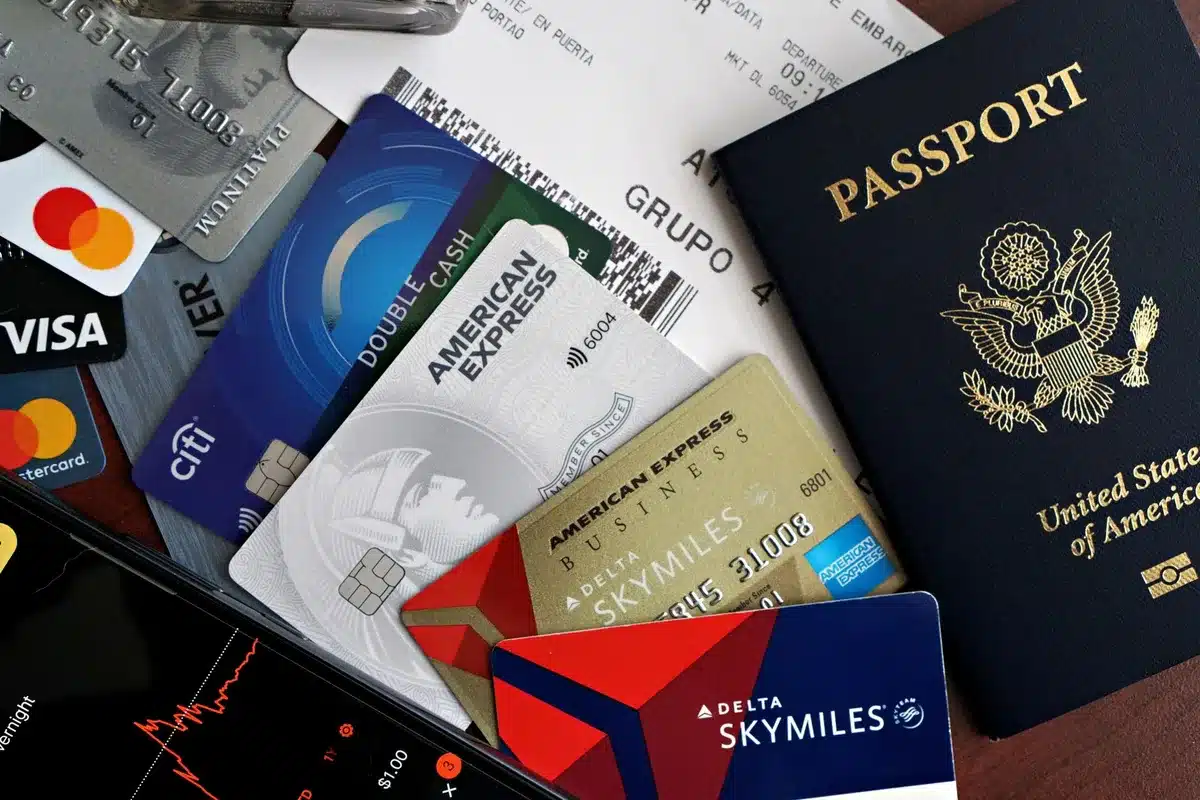
Budget travelers who book Frontier’s basic fare will see smaller mileage credits for each trip. Non-cardholders are the most affected group, since the new structure delivers fewer incentives to remain loyal without a co-branded card.
How earning rates now work across fare types
Frontier separated earning levels more sharply by fare class. Expect the following patterns:
- Discount basic fares: lower percentage of miles earned versus previous levels.
- Standard and premium fares: little or no change, keeping stronger accrual for higher-priced tickets.
- Credit card purchases: boosted accrual rates and bonus opportunities for cardholders.
These adjustments aim to tie rewards to revenue rather than seat count. Airlines often optimize programs this way to protect margins.
Practical tips for flyers to adapt
- Review your typical tickets. If you mainly buy basic fares, expect reduced mileage growth.
- Compare the value of the Frontier co-branded card. For frequent flyers, the annual fee may be offset by higher earnings and elite shortcuts.
- Consider buying a slightly higher fare class on routes you fly often to maximize points and status progress.
- Track elite qualification progress early in the year to adjust behavior if you want to reach top-tier faster.
Industry context and likely airline strategy
Frontier’s change mirrors a larger trend in U.S. carriers. Airlines balance rewarding loyal, high-spend customers while trimming benefits tied to the cheapest tickets.
Expect competitors to monitor results closely. If Frontier sees higher card adoption and more revenue per passenger, similar moves could spread across the industry.
What members should check right away
- Updated terms and conditions for Frontier’s loyalty program on the airline website.
- How existing elite credits will roll over or be honored under the new rules.
- Promotional offers that bridge the transition period, such as bonus-qualifying opportunities.