Show summary Hide summary
- Why Duer chose a print magazine amid the analog revival
- What Interval will include and how it will read
- Distribution plan: reach, circulation and target markets
- Products featured and the brand’s product evolution
- Stories inside the debut issue: voices and themes
- Print’s cultural moment: why brands are reverting to physical media
- Lessons from other brand magazines and the magalog debate
- How Duer plans to iterate with Interval
Duer, the Vancouver-born label known for performance jeans, is making a bold analog move: the company will publish a quarterly print magazine called Interval to tell its story with photos, essays and interviews.
Why Duer chose a print magazine amid the analog revival
CEO Gary Lenett says print helps the brand cut through digital noise. After years building stretch, office-ready denim, Duer faces a challenge: explaining technical fabrics and product promise beyond short-form ads. A magazine gives room for context.
Abbott Elementary season 6 free: when it airs and how to watch
Anna Leigh Wilson admits steamy flirtation with co-star: says it was a mistake
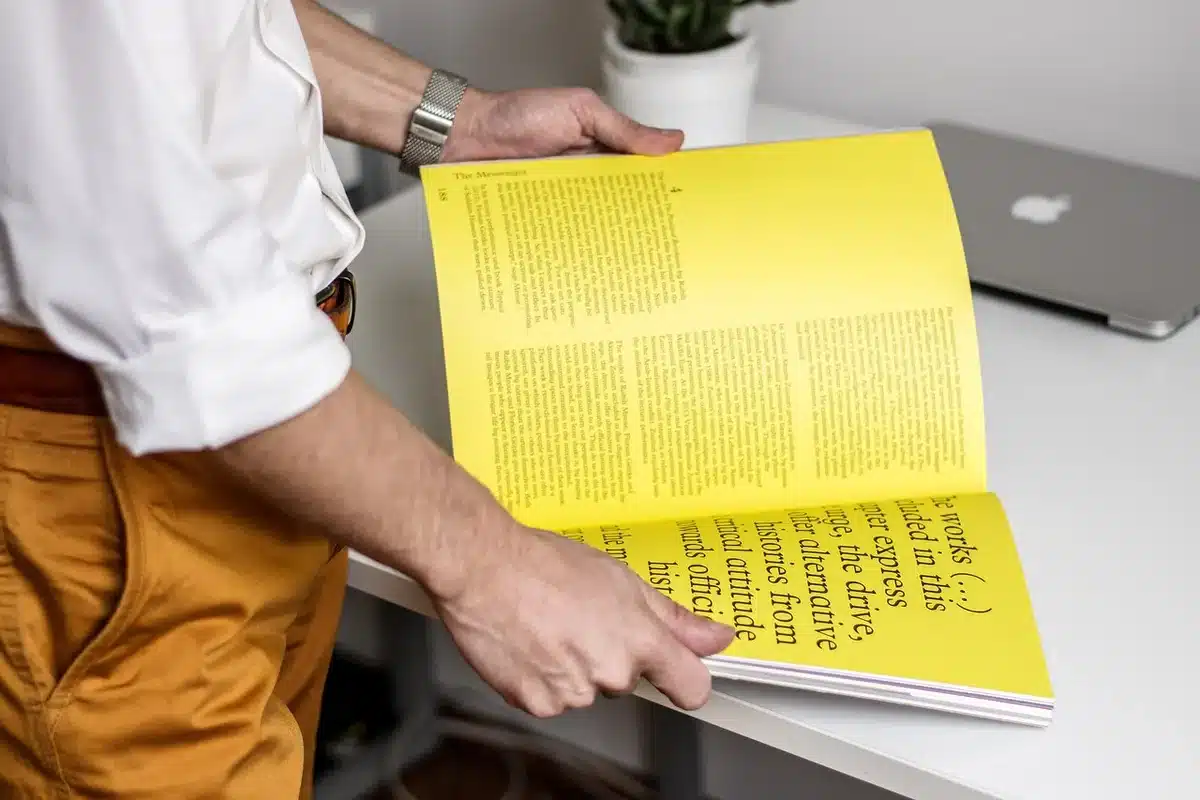
Lenett believes a physical magazine can build trust and show depth. He argues that online content can feel thin or synthetic. A printed piece, he says, anchors the brand in a tangible way.
What Interval will include and how it will read
The first issue of Interval, shipping in October, mixes editorial features with visual storytelling. It aims to present Duer’s fabric and purpose without feeling like a catalog.
- Feature essays and long-form interviews
- Photo spreads highlighting key products
- Profiles of makers and creatives
- Pieces that sometimes omit direct brand mentions
No prices will appear in the magazine. Content is produced by Duer staff and freelancers to balance authenticity and craft.
Distribution plan: reach, circulation and target markets
Interval will launch with a limited print run of about 5,000 copies. Distribution channels include:
- Stocking at Duer’s brick-and-mortar stores
- Mail drops to loyalty members
- Selective placement with wholesale partners
The magazine will be available in the U.S., Canada and the U.K. Issues will be free as Duer tests audience engagement.
Products featured and the brand’s product evolution
Though Duer began with denim, it has expanded across categories. Interval will spotlight items such as the Performance Denim Luxe and the Thermasoft merino jacket.
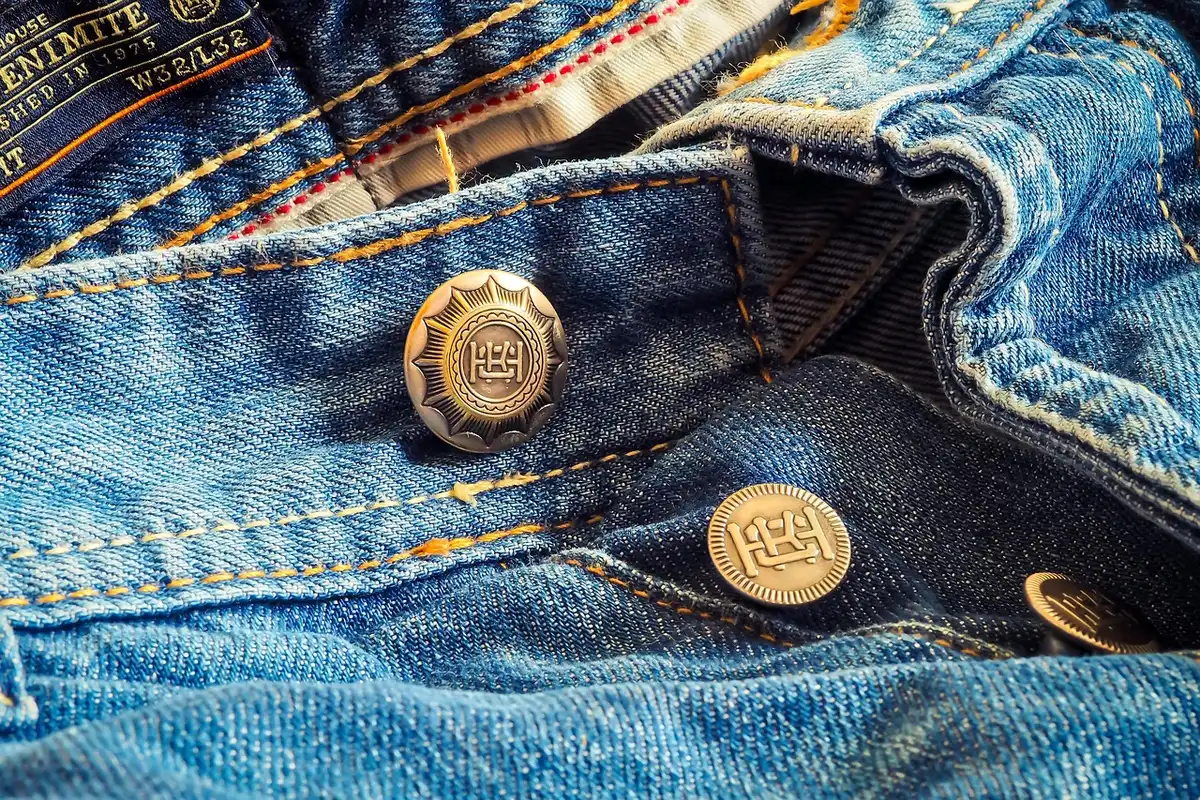
The wider lineup now includes shorts, joggers, jackets and overalls. Duer sells through its website, 14 standalone stores and hundreds of retail accounts.
Business mix is roughly 55% direct-to-consumer and 45% wholesale. The company reports revenue growth near 40% year over year and projects a run-rate approaching $100 million within the next 18 months.
Stories inside the debut issue: voices and themes
The premiere issue will blend lifestyle and craft journalism. Examples include:
- Return-to-office style guides
- History and evolution of workwear
- Interviews with stylist Leila Bani and stunt performer Jennifer Clarke
- Profiles of woodworker Deagan McDonald and potter Serena Koo
These selections reflect Duer’s ethos: clothing that enables more experiences and movement.
Print’s cultural moment: why brands are reverting to physical media
Digital fatigue is a driver. A 2024 Morning Consult finding shows 42% of Gen Z express interest in simpler tech. Vinyl and CDs are resurging. Searches for analog hobbies and “dumb phones” on Pinterest have jumped.
Brands are responding. Uniqlo launched LifeWear as a print lifestyle title in 2019. Faherty introduced The Faherty Chronicles in 2025. But the field is mixed: some corporate magazines have been paused or moved online.
Lessons from other brand magazines and the magalog debate
Marketing veterans note two main formats: editorial magalogs and product catalogs. Each has trade-offs.
- Magalogs deepen engagement and build brand loyalty.
- Catalogs often drive clearer direct sales and cost less to produce.
- Matching format to audience is critical.
Polly Wong of Belardi Wong says magalogs work when content adds genuine value. For some audiences, straightforward product pitches can be more effective.
How Duer plans to iterate with Interval
Lenett wants a consistent editorial voice but is open to experiments across future issues. The initial run will let the team measure reach, response and how print complements digital channels.
Questions on the table include circulation growth, content mix and whether print can convert readers into customers at scale