Show summary Hide summary
- Kathy Griffin’s sharp response and defense of speech
- What ignited the backlash on SNL
- Gillis’ controversial history and brief SNL stint
- How peers and public figures reacted
- Griffin’s critique of a new comedy cohort
- On growth, responsibility and change in comedy
- Where Griffin stands now: tour and public appearances
Kathy Griffin did not mince words after Shane Gillis’ recent Saturday Night Live monologue, calling him out and sparking a fresh conversation about taste, free speech and the state of stand-up comedy today.
Kathy Griffin’s sharp response and defense of speech
Griffin, a long‑time presence in comedy, described Gillis as a low‑caliber performer. Yet she made a point to separate personal taste from legal rights.
Kathy Griffin slams Shane Gillis as a hack after SNL monologue: says he can’t get laid
Celebrity Traitors rich list: the wealthiest stars to ever appear across both series
In an interview, she said she would defend his legal right to speak, while also asserting that people are free to judge his material harshly. Her take: protect the First Amendment, but don’t pretend every joke is worthy of praise.
What ignited the backlash on SNL
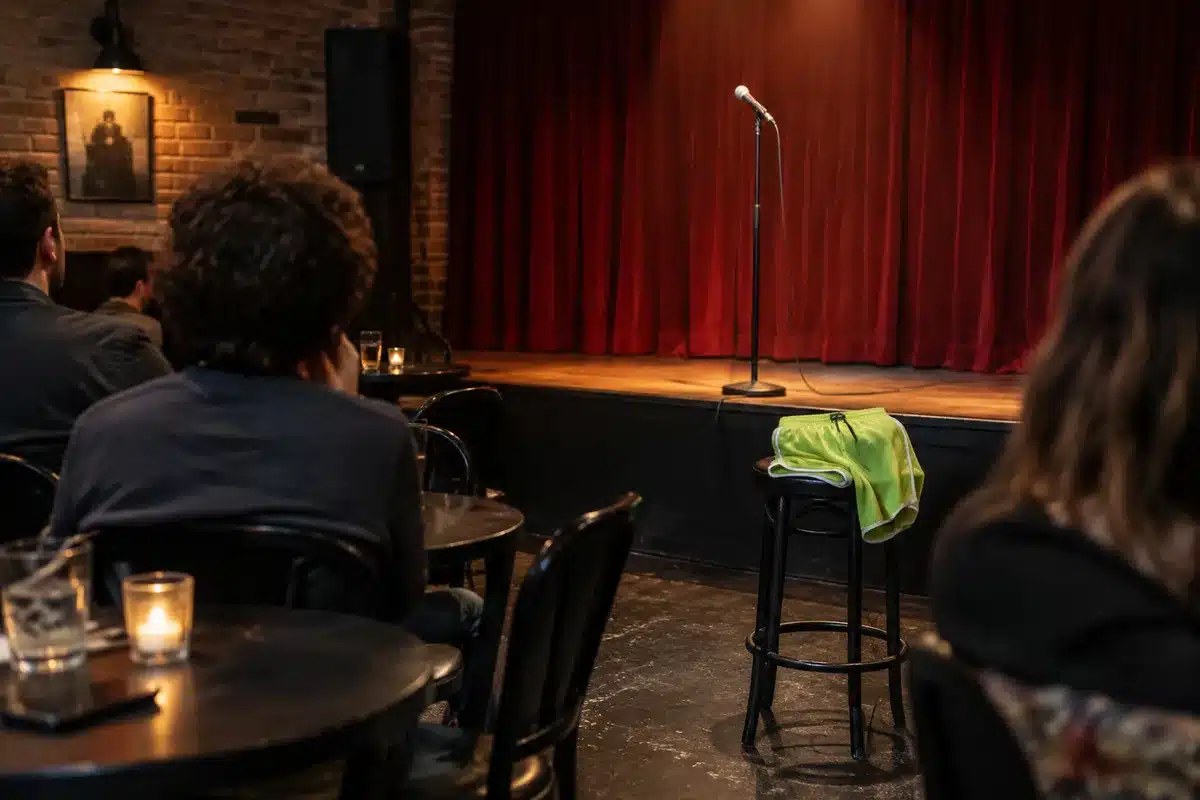
During his opening segment, Gillis mocked gym attire worn by some women, using vivid imagery and crude language. He also dropped an expletive later in the broadcast.
Viewers and fellow entertainers quickly reacted. Critics argued the routine reduced women to stereotypes and revived outdated attitudes toward female bodies.
Key moments from the monologue
- Comments about tight, neon workout shorts drew the most ire.
- Gillis acknowledged the prevalence of social media filming in gyms.
- He used explicit language during the live show.
Gillis’ controversial history and brief SNL stint
Gillis first made headlines in 2019, when old podcast clips with slurs resurfaced after he was hired by SNL. He was dismissed within days.
That episode still colors reactions to any new controversial material from him. Past behavior has a long shelf life in public discourse.
How peers and public figures reacted
Several celebrities spoke out against the jokes. Some framed the issue as misogyny, others urged better awareness from mainstream platforms.

- Comics and actors criticized the characterization of women as “whores.”
- Public discussion ranged from social media posts to TV commentary.
- Some voices defended free speech while condemning the content.
Griffin’s critique of a new comedy cohort
Beyond Gillis, Griffin faulted a wave of male comedians rising from podcast and social platforms. She argued many recycle archaic ideas about gender.
She singled out the influence of high‑profile podcasters and noted a sameness in style and material among newcomers. Her complaint: the jokes feel recycled and stuck in another era.
Traits she says are common among this group
- Similar delivery and recycled punchlines
- Material that leans on old sexist tropes
- Rapid rise through social platforms rather than traditional comedy circuits
On growth, responsibility and change in comedy
Griffin acknowledged her own evolution, noting she has abandoned language and bits she once used.
She urged comedians to adapt as culture shifts, suggesting that learning and change are part of a long career onstage. Comedians can keep their edge without relying on tired insults, she said.
Where Griffin stands now: tour and public appearances
Griffin continues to perform live and has scheduled appearances in major venues. She remains a vocal presence in entertainment debates.
- She is actively touring and performing at theaters.
- Her comments are part opinion and part industry critique.
- Her stance blends defense of speech with calls for better comedic choices.