Show summary Hide summary
- Why the filmmakers chose Texas and what the movie is about
- How the state incentive application unfolded
- What the rejection letter said — and what it didn’t
- Allegations of political influence from the governor’s office
- What was in the application and how Texas was presented
- Money at stake and the impact on an indie project
- Not the first time the commission has faced scrutiny
- Voices from the film and crew react
- Filmmakers’ defense of their portrayal of Texas
A small indie drama starring Cole Sprouse finished shooting in Texas and later learned it would not receive a state film incentive after a months-long wait. The rejection, filmmakers say, arrived without a clear reason and followed a closed-door review they believe involved political pressure.
Why the filmmakers chose Texas and what the movie is about
Danish-Iranian director Milad Avaz shot his first English-language feature, Elastic Hearts, in rural Texas. The story follows a 19-year-old cello prodigy who, grieving and alone, turns to her estranged older brother when an unexpected pregnancy forces a painful choice.
Brooklyn Beckham defends being obsessed with perfect wife Nicola Peltz: ignores haters
Production jobs flee California: Newsom pushes $1B annual film and TV tax credit

The film features Cole Sprouse, Darby Lee-Stack, Dean Norris, and Stephen Dorff. The siblings’ road trip includes a stop at an out-of-state clinic. But according to the director, the movie focuses more on family grief than on political debate.
Practical reasons pushed the production to Texas. The landscape fit the story’s mood. The plan also relied on hiring locally: a crew of roughly 40 people and about 125 background actors from the region.
How the state incentive application unfolded
The Avaz brothers applied for a grant through the Texas Moving Image Industry Incentive Program. The program can return up to 31 percent in tax credits for qualifying productions.
- The project budget: about $2.2 million.
- Planned Texas spend listed in the application: roughly $1.24 million. (Avaz says actual spend was closer to $1.3 million.)
- Expected turnaround time: 1–3 months.
- Actual response time: nine months.
The long delay stretched from the application filed before production began on September 8, 2025, to a denial notice received June 25, 2026. By that point the movie had wrapped shooting and completed post-production work.
What the rejection letter said — and what it didn’t
The formal email denying the grant was brief, according to the filmmakers, and did not provide a detailed reason. When the production team asked for an explanation in writing, officials declined to elaborate.
After several months, a phone call with a representative of the Texas Film Commission reportedly revealed that the governor’s office had reviewed the project’s content. The filmmakers say the commission said it was not allowed into that closed review and that appealing would be futile.
Timeline of key events
- Pre-production and application filed before Sept. 8, 2025.
- Shooting completed in Texas and elsewhere; local crew hired.
- Expected decision window of 1–3 months passes with no action.
- Official denial arrives June 25, 2026, nine months after filing.
- Phone conversation in August indicates governor’s office review.
Allegations of political influence from the governor’s office
The filmmakers contend the denial stemmed from political concerns over the film’s subject matter. They say a staffer told them, in effect, that the movie’s depiction of abortion in Texas factored into the decision.

“You made a film about abortions in Texas. What did you expect?” is the line the Avaz team recalls being used during one call. They describe the comment as confirmation that politics played a role.
Governor Greg Abbott’s press secretary responded in a statement, noting that the office is not required to act on every application. The statement said officials consider “general standards of decency” and avoid funding projects that portray Texans negatively.
What was in the application and how Texas was presented
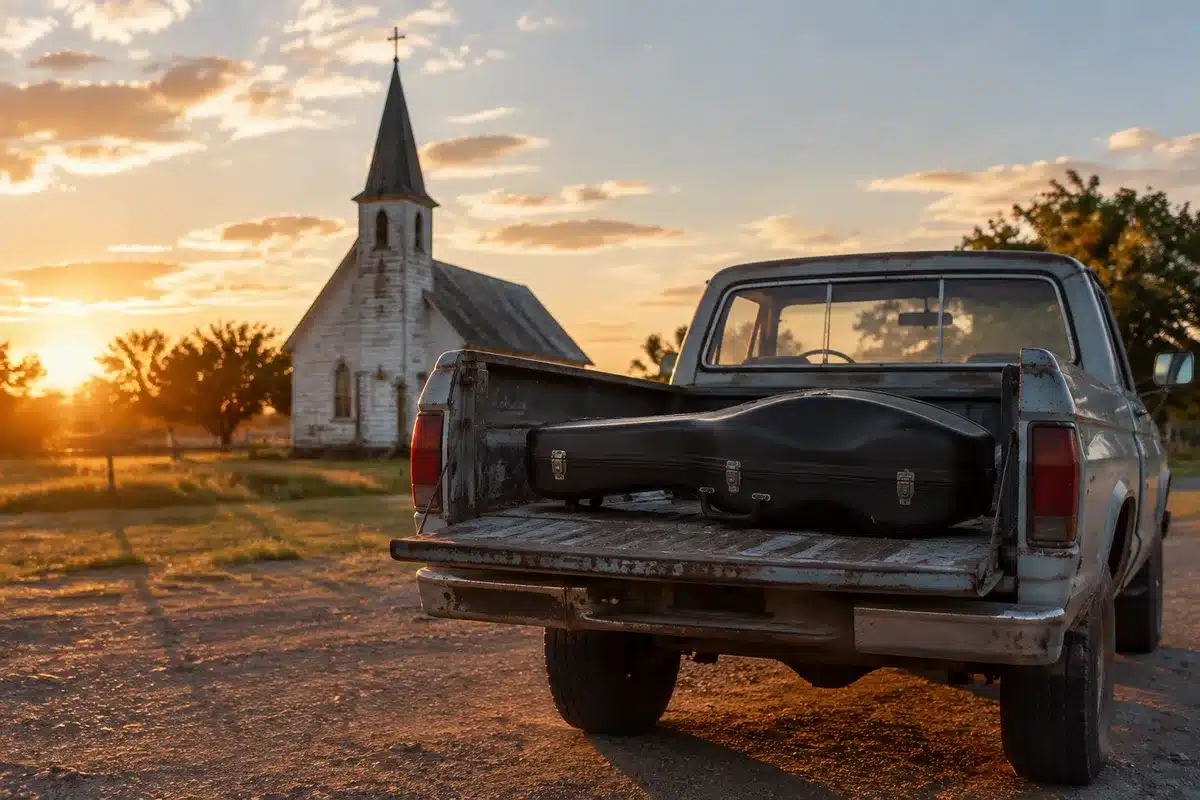
The grant paperwork framed Texas as more than a backdrop. According to the application, the state’s landscapes, churches, and small towns were woven into the story’s emotional and visual identity.
The written synopsis did not explicitly name abortion. Instead it described two siblings grappling with grief and a fractured bond, traveling through dusty towns and desert roads. The filmmakers also highlighted local hires and tourism benefits.
Texas locations listed included Elgin and various minimalistic churches. The narrative emphasized how the state’s textures shape the film’s tone and characters.
Money at stake and the impact on an indie project
The production was eligible for an estimated credit of about $128,000. That amount came from a base 10 percent credit on qualified spend, plus a small rural production bonus.
For a small film, that sum would have covered much of the post-production budget. The denial therefore has practical consequences beyond principle. The filmmakers say it affects the project’s backend revenue and their ability to start new work.
“Independent filmmakers are already operating with tight margins,” Milad Avaz said. The withheld credit, he added, could be devastating for others who lack financial resiliency.
Not the first time the commission has faced scrutiny
Texas’ incentive program has faced political criticism recently. A state representative called it a “socialist scheme” and threatened repeal after a religious TV series star publicly endorsed a Democratic candidate.
The commission also previously denied filmmaker Robert Rodriguez grants for Machete Kills, a decision that led to litigation in 2019. Those examples add context to the Avaz case.
Voices from the film and crew react
Cast and crew reacted strongly after the denial became public. Sprouse and Darby Lee-Stack expressed disappointment and framed the decision as censorship.
Cole Sprouse described the denial as discriminatory toward a viewpoint, and argued that art often intersects with politics in ways artists must resist.
Darby Lee-Stack called the move an attempt to limit freedom of expression and warned it would deny Texas a chance to show a diverse cultural picture.
Filmmakers’ defense of their portrayal of Texas
Milad Avaz said the film treats Texas with care. He and his team stayed in the state during production and aimed to portray local people and places sympathetically.
They also say the crew supported the project’s storytelling and felt proud to work on a film that explored hard choices rather than pushing a single political line.
What the Avaz brothers want next
- A written explanation of why the application was denied.
- Transparency about the governor’s office role in reviewing film content.
- Assurances that artistic projects receive fair, content-neutral treatment under the incentive program.
With Elastic Hearts now finished, the filmmakers have submitted to Sundance and South by Southwest and say they will continue to promote the movie and the local crew who worked on it.