Show summary Hide summary
- Why the water gleams like glass: geology and reefs
- Grace Bay’s signature sand and why it stays cool
- Open-air luxury: resorts that breathe with the coast
- Thursday nights at Bight Park: real island flavor
- Chalk Sound: a neon lagoon made for paddles and photos
- Underwater drama: the Caicos Bank drop-off and world-class diving
- Grand Turk: history, quiet streets and slow island time
- Practical tips for planning your trip to Turks and Caicos
The moment the plane lowers toward Providenciales, the ocean seems unreal. A neon turquoise spreads under the wings, so vivid it looks like paint. You land, step outside, and realize the color isn’t a trick of the window. It’s the start of an island that redefines what a Caribbean escape can be.
Why the water gleams like glass: geology and reefs
Turks and Caicos sits southeast of the Bahamas on a broad limestone plateau. That geology shapes everything you see.
Savannah Guthrie begs for answers about missing mom: we cannot move forward
Netflix to give Joel Coen’s gothic mystery Jack of Spades a theatrical release in 2027
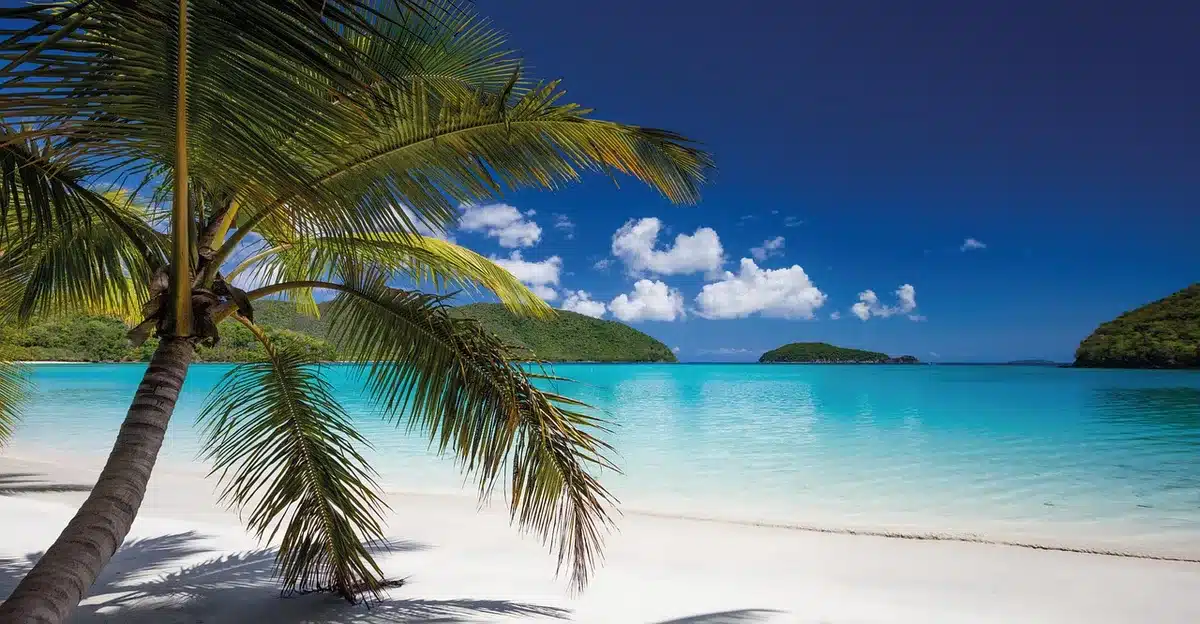
Shallow seas, crushed coral and fine white limestone reflect sunlight directly back. The result is that startling, crystal-clear turquoise people photograph obsessively.
A barrier reef runs roughly a mile offshore of Providenciales. It acts as a natural breakwater. Atlantic swells lose their power on the reef. The shoreline stays calm and shallow.
What this means for visitors: visibility for snorkeling and diving is superb. Calm, warm water makes wading and family swimming effortless.
Grace Bay’s signature sand and why it stays cool
Grace Bay is not just pretty on-screen. It delivers in person.
The sand isn’t ordinary silica. It’s mostly ground coral and shell. That composition gives it a blinding white hue and unusual heat behavior.
Even under a midday sun, the sand often feels cool to your feet. Walk the shoreline and you’ll see why the beach keeps winning global rankings.
Water quality is exceptional. You can wade chest-deep and still see the ripples on the seafloor. The reef farther out keeps the surf soft, turning the ocean into a giant, calm pool.
Open-air luxury: resorts that breathe with the coast
Providenciales leans into upscale, low-impact hospitality. Expect high-end properties that prioritize space and natural ventilation.
Architects design lobbies and common areas to welcome the sea breeze. Villas and suites often include private plunge pools, wide terraces and direct beach access.
- Privacy and space: large villas and separate bungalows are common.
- Seamless indoor-outdoor design: open-air lobbies, shaded verandas, and furniture built for coastal weather.
- Slow luxury: fewer crowds, private services, and a focus on quiet relaxation.
These resorts charge for the experience, but they deliver the kind of solitude and comfort many travelers want from a Caribbean getaway.
Thursday nights at Bight Park: real island flavor
Authentic nightlife here doesn’t mean sleek cocktail bars. It lives in a weekly ritual at Bight Park.
Every Thursday, vendors set up grills and tables near the beach. The air fills with smoke, spices and the scent of charred seafood.
The Fish Fry is a local block party. Musicians play traditional rhythms. Tourists and residents share picnic benches under string lights. The food is straightforward and delicious.
- Try fresh cracked conch and seasoned peas and rice.
- Wash it down with a cold local beer.
- Stick around for live band sets and dancing.
Chalk Sound: a neon lagoon made for paddles and photos
Drive away from Grace Bay and you’ll find Chalk Sound National Park. It’s a shallow, saltwater lagoon speckled with tiny, scrub-covered islets.

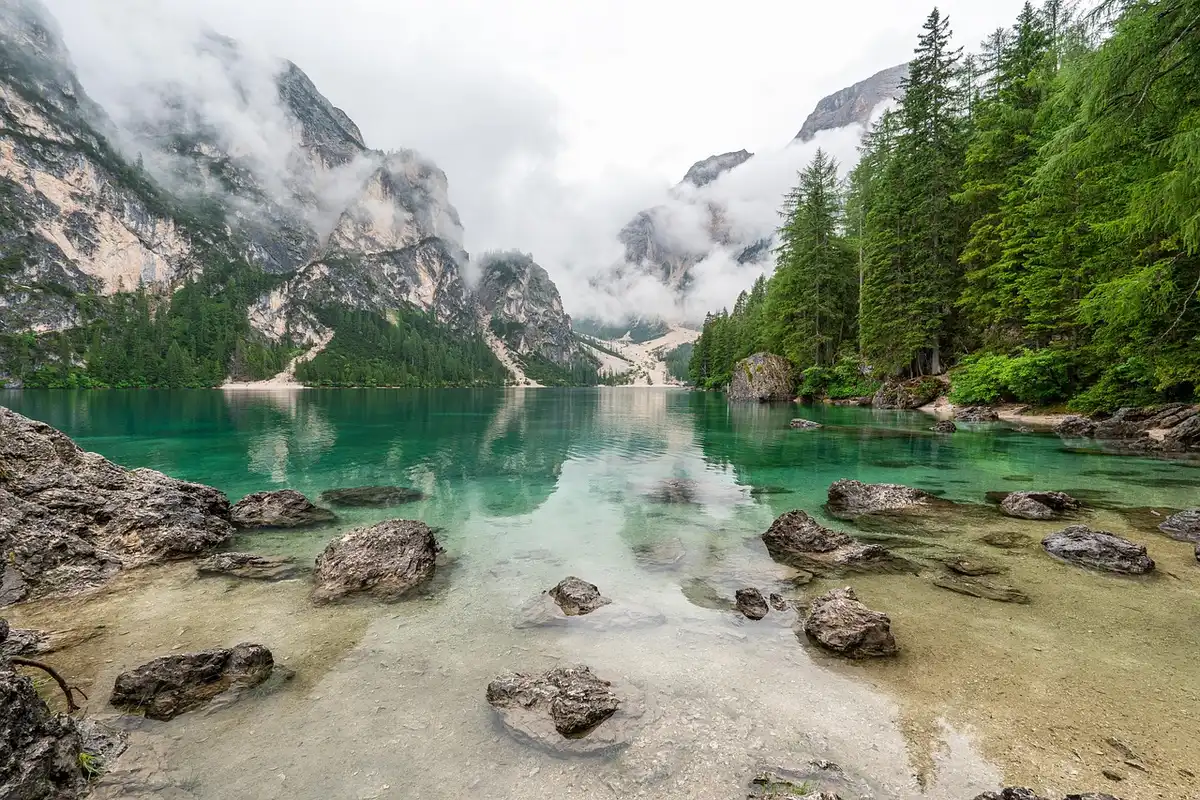
The water here glows an electric turquoise. Sunlight hitting the fine white bottom creates a luminous effect.
Motorized boats are banned, so the lagoon stays quiet. Kayaks and paddleboards are the best ways to explore.
- Rent a kayak and drift between islands.
- Watch for sea turtles gliding under your hull.
- Bring water and sun protection; shade is limited.
Underwater drama: the Caicos Bank drop-off and world-class diving
The most dramatic topography is hidden beneath the surface. The Caicos Bank ends in a near-vertical drop.
At the western edge, reef slopes fall away from around 50 feet to abyssal depths. The blue between those levels is intense and almost theatrical.
Wall dives here are humbling. Divers hover at the lip of the drop-off and watch reef sharks and eagle rays glide out of the deep. Cold upwellings can be felt on your skin.
Visibility commonly exceeds 100 feet. That clarity makes encounters with pelagics and reef systems even more vivid.
Grand Turk: history, quiet streets and slow island time
A short local flight takes you to Grand Turk for a totally different pace.
Cockburn Town preserves narrow lanes and Bermudian-style buildings. Wild donkeys and horses roam freely through shaded squares.
The shoreline here is equally clear, but the vibe is calmer and more rustic than Providenciales. Cruise ships visit for a few hours; once they leave, quiet returns.
Sunsets on Grand Turk feel private. Find an empty stretch of sand and watch the horizon change colors in solitude.
Practical tips for planning your trip to Turks and Caicos
- Rent a car to reach Chalk Sound and remote beaches.
- Book diving trips in the morning for the best conditions.
- Bring reef-safe sunscreen and biodegradable toiletries.
- Fish Fry nights are best experienced with cash on hand.
- Reserve villas or suites early during high season for choice locations.
- Check local entry requirements and travel advisories close to departure.