Show summary Hide summary
- Why San Blas (Guna Yala) Feels Different From Other Caribbean Spots
- Budget Reality: What Travelers Actually Pay in San Blas
- How to Get There: Routes, Road Conditions, and Water Taxis
- Connectivity and Practical Concerns for Modern Travelers
- How the Guna Protect Their Islands — And What That Means for Visitors
- Top Activities: How to Make the Most of Island Time
- Accommodation Choices and What to Expect
- Essential Packing and Safety Checklist
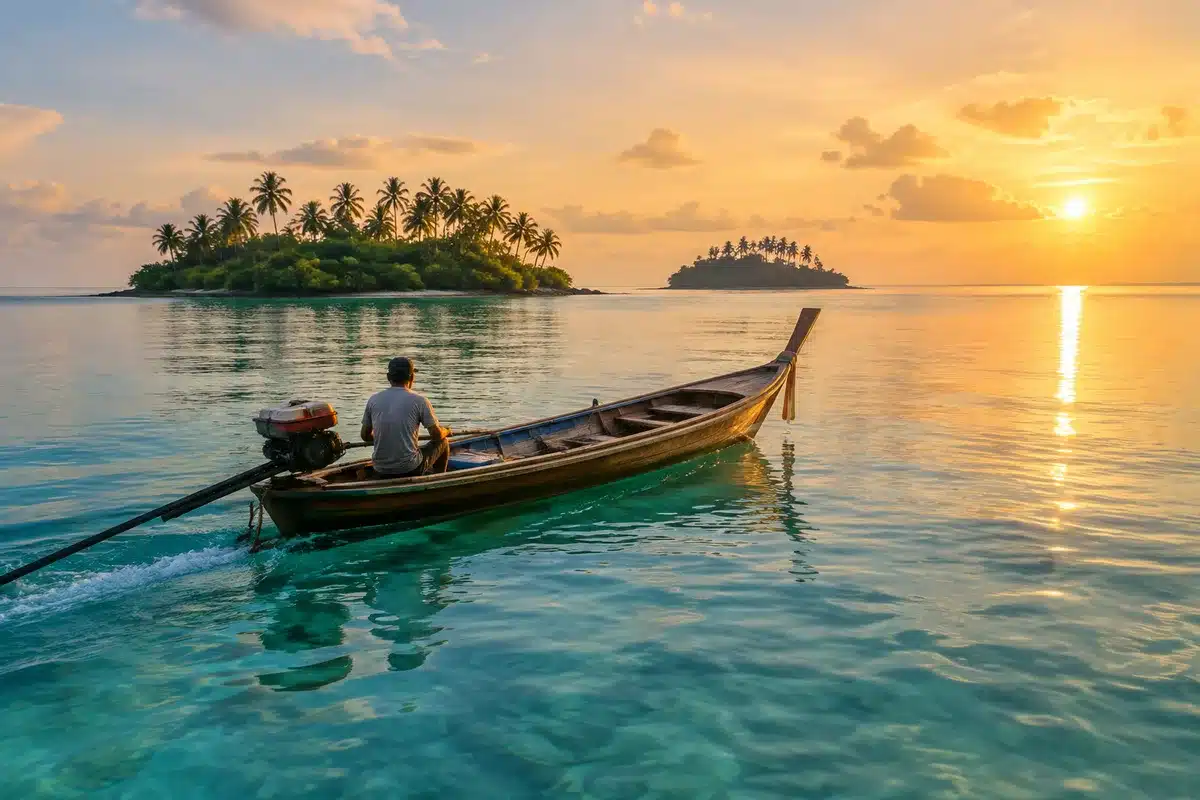
Stepping off a small motorized boat onto sugar-white sand felt like walking into a forgotten postcard. The hum of cars, the rush of city life and the buzz of social media faded. Before me lay a scatter of palm-tipped islets and glassy turquoise water. I had landed in one of the Caribbean’s most secluded places: the San Blas archipelago.
Why San Blas (Guna Yala) Feels Different From Other Caribbean Spots
The San Blas Islands, governed by the indigenous Guna people and often called Guna Yala, have avoided large-scale tourism. No skyscraper resorts loom over the beaches. No cruise terminals disgorge thousands of short-stay visitors at once. Instead, the islands remain a string of low-key, family-run communities and tiny guest cabanas. That protection drives the islands’ appeal.
Savannah Guthrie begs for answers about missing mom: we cannot move forward
Netflix to give Joel Coen’s gothic mystery Jack of Spades a theatrical release in 2027

- Local governance: The Guna control land and development. Foreigners cannot buy property or build big hotels.
- Low-impact tourism: Accommodation is small-scale and often family-operated.
- Raw scenery: Hundreds of small islands, calm bays, and wide horizons with few commercial interruptions.
Budget Reality: What Travelers Actually Pay in San Blas
The islands can be more affordable than many travelers expect. Skip the luxury reflex and you can keep costs reasonable while enjoying authentic island life. Below are typical expenses to plan for.
- Beach cabana (simple, wooden): $140–$250 per person, per night. Many hosts include three local meals.
- Fresh-caught lobster plate: $15–$25, often sold straight from a fisherman’s canoe.
- Local beer: $2–$3 for Balboa or Panama at most beach shacks.
- Coconut from a vendor: $2–$3, opened on the spot.
- Mola textile (handmade): $20–$60. Buying directly supports Guna artisans.
- Mandatory fees: $20 USD entry tax per person at the jungle checkpoint, plus $2–$5 dock fee at Cartí.
- Transport from Panama City: About $140 round trip per person, covering the shared 4×4 and the water taxi.
Tip: Prices vary by island and season. Expect lower rates if you’re flexible about amenities.
How to Get There: Routes, Road Conditions, and Water Taxis
Most visitors fly into Tocumen International Airport (PTY) in Panama City. From there, travel to the Caribbean coast and the Cartí docks. The transport chain is straightforward, but you should be prepared.
- Book a registered 4×4 transfer from the city. The drive takes about 3 to 3.5 hours.
- The jungle road is steep, twisty, and can be full of potholes.
- At Cartí, you pay dock fees and board a motorized water taxi to your island.
Important: Guna Yala runs a cash-only micro-economy. There are no ATMs on the islands, and card machines are rare. Bring enough US dollars for food, tips, and souvenirs.
Connectivity and Practical Concerns for Modern Travelers
San Blas used to be a full digital dead zone. That’s changing slowly. Some families and charter operators now offer satellite internet with services like Starlink. Expect variable speeds, and often a small fee to connect.
- Bring waterproof packing: Cash, phones, and documents should be protected on boat rides.
- Power: Many cabanas rely on solar or limited generator power. Charging may be restricted.
- Health and safety: The islands are widely viewed as safe. Communities are small and neighbors look out for one another.
How the Guna Protect Their Islands — And What That Means for Visitors
The Guna maintain strict control over land use and tourism. This policy has preserved their culture and the islands’ low-density charm. Visitors are welcome but will see a lifestyle that prioritizes community and tradition.
- Respect local customs and dress codes.
- Support local vendors and artisans where possible.
- Understand that services are basic; amenities match the islands’ pace.
Top Activities: How to Make the Most of Island Time
The archipelago’s greatest asset is variety. You can spend different days in different ways without long transfers.
Island Hopping Adventures
Hire a local Guna boat captain for a half- or full-day tour. Visiting several isles in one trip is easy. Some islets take less than a minute to cross on foot. Island-hopping lets you sample multiple beaches and cabanas.
Shallow Sandbar “Swimming Pools”
Ask your captain for the shallow sandbanks. These natural pools sit in the open ocean and are often waist-deep. They are perfect for sunbathing in waist-high water and spotting starfish near your feet.
Snorkeling at the Shipwreck (Isla Perro)
Isla Perro is known for a small sunken wreck just offshore. The calm, shallow water is ideal for beginner snorkelers. The rusting hull has become a mini reef full of coral and fish.
Guna Cultural Visits and Molas
Spend time on a larger community island to experience daily life. Walk narrow pathways, chat with residents, and watch women sew Molas. A visit offers an intimate look at traditions that have protected the islands from mass development.
Accommodation Choices and What to Expect
Lodging ranges from basic wooden cabanas to private charter catamarans. Most accommodations emphasize simplicity and local hospitality.
- Family cabanas: Simple rooms, communal meals, and direct beach access.
- Private charters: Catamarans provide more comfort and mobility but cost more.
- Booking: Many places take reservations via email or phone. Confirm water taxi transfers in advance.
Essential Packing and Safety Checklist
- US dollars in small bills, waterproof bag, and a secure money stash.
- Sun protection: reef-safe sunscreen, hat, and light clothing.
- Basic medications and seasickness remedies.
- Reusable water bottle and toiletries, as supplies are limited.
- Dry bags for electronics during boat rides.
Also bring: patience and a readiness to slow down. Island life runs on a different timetable.