Show summary Hide summary
- How Curry carried the offense while the Warriors slipped up with the ball
- Coach Kerr’s surprising response to repeated turnover worries
- Turnover metrics that are hard to ignore
- Close-game fallout: leads lost and clutch struggles
- Execution issues: where the ball gets away from Golden State
- Implications for lineup choices and coaching strategy
The Golden State Warriors eked out a 123-114 victory over the Utah Jazz at the Chase Center, driven again by Stephen Curry’s scoring burst. Even with the win, the same turnover problems that have trailed Golden State all season dominated the postgame conversation, and coach Steve Kerr’s reaction drew its own headlines.
How Curry carried the offense while the Warriors slipped up with the ball
Stephen Curry led the way with 31 points and five assists. His shooting kept Golden State ahead for much of the night.
Jets lock up young star with massive 4-year contract
James Burrows dead at 85: Will & Grace director and Cheers co-creator
Despite that, the Warriors gave the Jazz too many extra chances. Utah turned sloppy possessions into points and stayed in the game longer than the final score suggests.
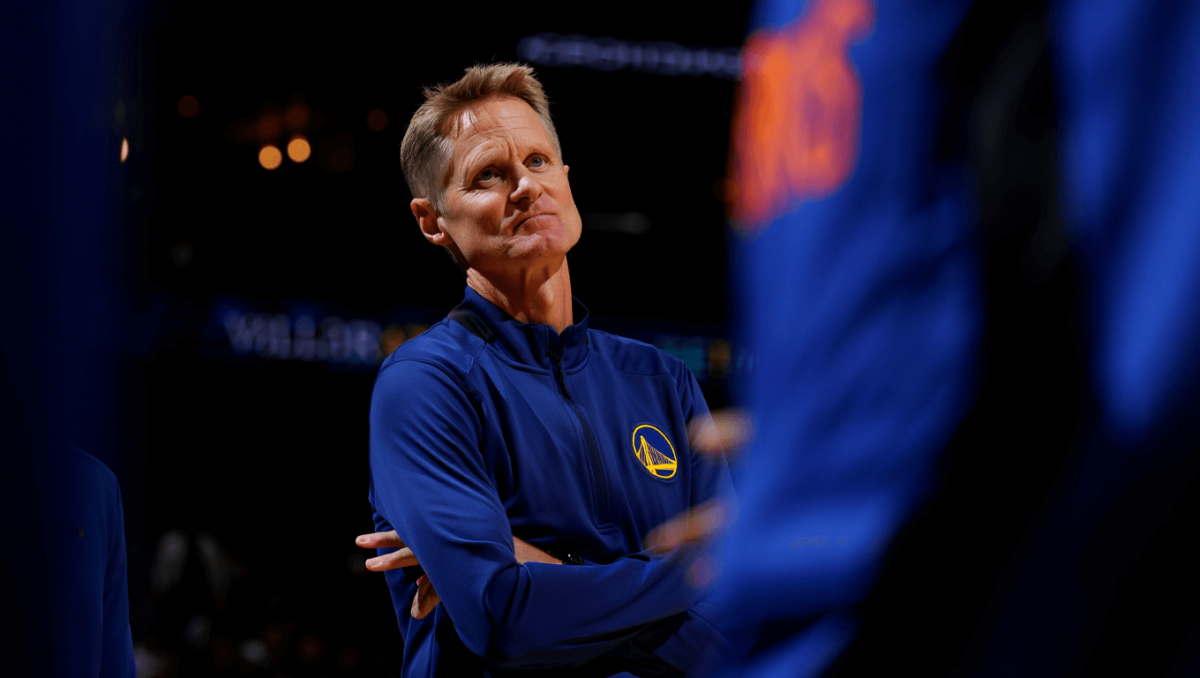
Coach Kerr’s surprising response to repeated turnover worries
When asked about the turnover epidemic, Kerr said he no longer beats the subject to death in meetings or in public. He explained he’s moved past constant reminders and is trying different ways to address the issue.
That stance sparked debate: some see it as a calm, strategic shift. Others worry it could signal tolerance for a costly habit.
Turnover metrics that are hard to ignore
The raw numbers underline the risk. The Warriors average 16.2 turnovers per game, second-worst in the league. Only the Portland Trail Blazers turn the ball over more, at 17.1 per night.
How turnovers translate into points
- Utah converted Golden State’s mistakes into 22 points in this game.
- The Warriors give up an average of 20.7 points off turnovers per game.
- That figure also ranks second in the NBA, trailing Portland.
Close-game fallout: leads lost and clutch struggles
Turnovers bite hardest in tight finishes. Golden State sits at 8–11 in clutch games, defined as contests within five points in the final five minutes.
More troubling: in eight of those defeats, the Warriors held a late lead but couldn’t seal the outcome. Opponents that capitalized on late mistakes include:
- Indiana
- Houston
- Oklahoma City
- Philadelphia
- Minnesota
- Portland
- Phoenix
- Toronto
By contrast, when Golden State won close games, they were trailing late in only a minority of those victories. That imbalance points to a recurring closing problem.
Execution issues: where the ball gets away from Golden State
- Rushed passes under pressure in transition.
- Miscommunication on inbounds plays.
- Forced looks against drop coverage late in the clock.
Ball security and decision-making are the two clear targets for improvement if the Warriors want to limit easy points for opponents.
Implications for lineup choices and coaching strategy
Kerr and his staff face a choice between relentless correction and quieter tactical adjustments. Adjusting practice emphasis, tweaking rotations, and altering late-game sets are all on the table.
Defenses already hone in on Curry in crunch time. With opponents often daring others to beat them, Golden State needs cleaner execution to close out tight contests and turn regular wins into reliable ones