Show summary Hide summary
- Why TSA lines are still long despite talks in Congress
- Where Congress stands on ending the partial shutdown
- How the shutdown affects TSA staff and morale
- Practical advice for travelers facing long security lines
- How airports and airlines are adapting
- What to watch next: votes, timelines, and possible outcomes
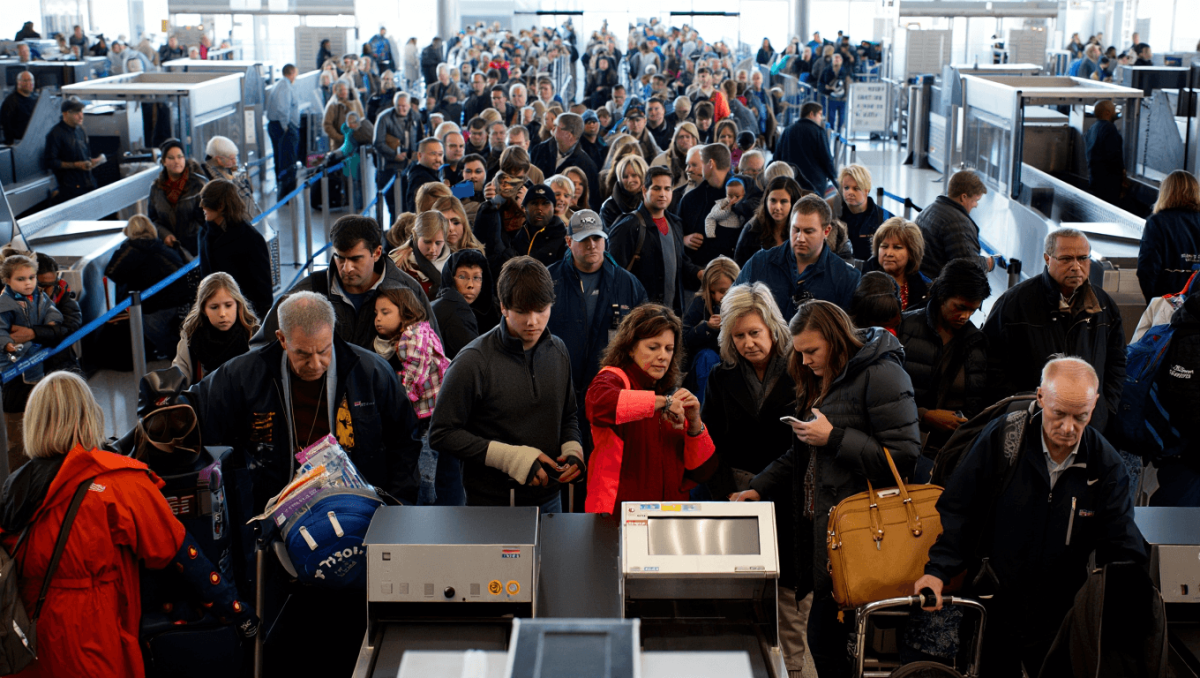
Travelers at major airports are still facing long security queues even as lawmakers in Washington move toward resolving a partial federal shutdown. Lines at screening checkpoints remain a visible sign of the disruption, leaving passengers worried about missed flights and officials scrambling to manage staff and schedules.
Why TSA lines are still long despite talks in Congress
Several factors are keeping airport security backlogged. Passenger volumes have rebounded sharply since the pandemic. Staffing levels and training needs have not kept pace. And the uncertainty around federal funding complicates scheduling and overtime.
Sophia Laforteza of Katseye announces hiatus: comes months after Manon Bannerman’s exit
Delta to return to Tokyo Narita hub in 2027: 7-year comeback
- High passenger demand: Airlines report steady traffic, increasing pressure on checkpoints.
- Staff availability: Some TSA employees delay time-off requests amid shifting schedules.
- Operational constraints: Security screening requires trained personnel and time, which limits throughput.
Where Congress stands on ending the partial shutdown
Lawmakers are negotiating short-term measures and broader spending bills. The options include a continuing resolution or targeted funding to reopen specific departments. Timing and political concessions will dictate how quickly agencies, including TSA, get stable funding.
Key legislative paths under consideration
- Continuing resolution to fund government for weeks or months.
- Appropriations bills for individual agencies.
- Short-term, targeted deals that prioritize critical services.
How the shutdown affects TSA staff and morale
TSA agents are classified as essential in most scenarios. That often means they keep working even when funding lapses. But working without timely pay and with uncertain schedules takes a toll.
- Pay uncertainty: Some agents face delayed paychecks until Congress acts.
- Overtime strain: Extra shifts and backfills increase fatigue and turnover risk.
- Recruitment hurdles: Hiring slows when agencies lack clear budgets.
Practical advice for travelers facing long security lines
Travelers can reduce stress and risk of missing departures by planning ahead. These steps help passengers navigate busy checkpoints.
- Arrive at the airport earlier than usual.
- Use mobile apps for real-time wait times and gate updates.
- Enroll in TSA PreCheck or Global Entry if eligible.
- Travel light with carry-ons to speed screening.
- Check airline alerts and rebook options in advance.
How airports and airlines are adapting
Airports and carriers are shifting resources to minimize disruptions. They are redeploying staff, adjusting schedules, and improving traveler communications.
- Extra personnel at high-traffic checkpoints during peak hours.
- More frequent updates on displays and social media.
- Coordination with local law enforcement and federal partners.
What to watch next: votes, timelines, and possible outcomes
The clock is tied to legislative calendars and political deal-making. A short funding measure could ease immediate pressure at airports. A longer stalemate would prolong staffing and operational strains.
- Quick resolution: Temporary funding restores normal payroll and improves staffing choices.
- Prolonged impasse: Continued uncertainty drives more conservative scheduling and fewer overtime options.
- Targeted relief: Limited bills may prioritize travel-related and security operations first.