Show summary Hide summary
- What exactly did JetBlue change about bag fees?
- Why airlines raise baggage fees now
- Will major rivals copy the increase?
- How travelers are reacting and what advisors say
- Practical ways passengers can avoid higher charges
- What industry analysts will watch next
- How this may affect the broader airfare landscape
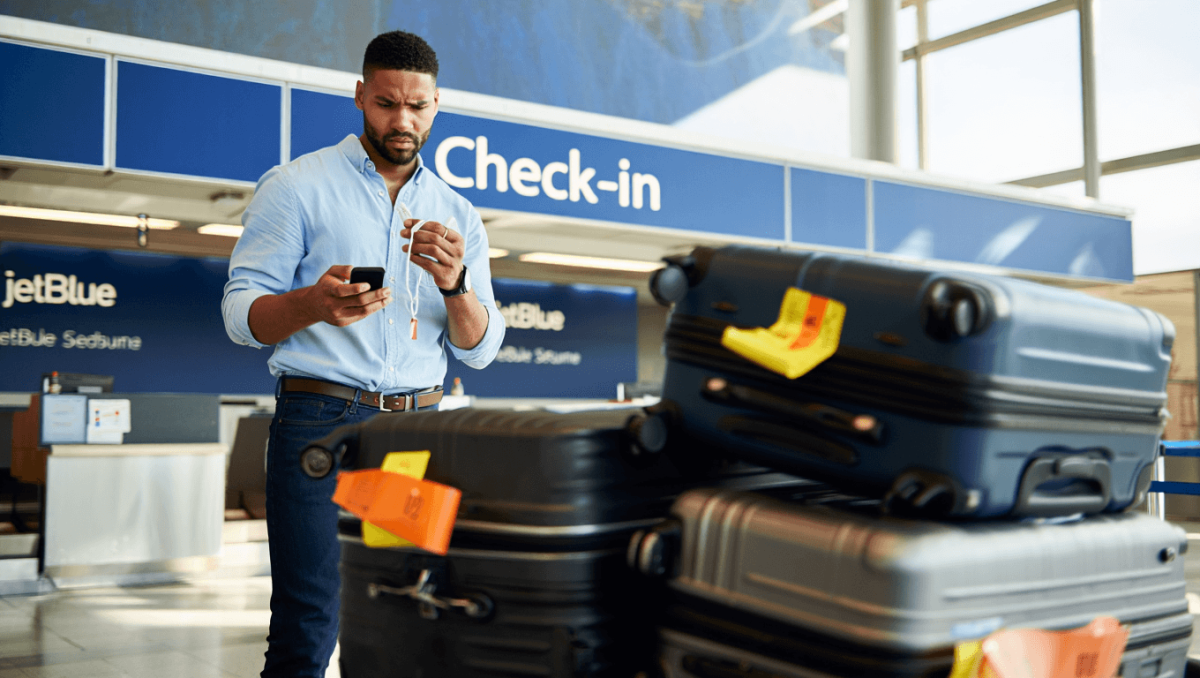
JetBlue has quietly increased its baggage charges, raising at least some checked bag fees by $4 and higher. The move landed this week as travelers booked spring flights and compared fares. The change prompts a fresh question for the U.S. airline market: will competitors match the increase or keep prices steady to protect market share?
What exactly did JetBlue change about bag fees?
JetBlue announced that certain baggage fees will rise by $4 or more across many domestic routes. The adjustment affects checked luggage and may apply differently by fare class and booking channel.
Sophia Laforteza of Katseye announces hiatus: comes months after Manon Bannerman’s exit
Delta to return to Tokyo Narita hub in 2027: 7-year comeback
The company framed the change as part of routine pricing updates. JetBlue did not tie the move to a single cause in its initial notice, but officials said fees vary by route and timetable.
Why airlines raise baggage fees now
Airlines use baggage fees as a key source of ancillary revenue. That revenue helps offset fuel swings, staffing costs, and fleet investments without pushing up base fares.
- Operational costs: Fuel, labor, and airport charges can force carriers to adjust fees.
- Revenue strategy: Carriers often refine ancillary charges to drive profits while keeping ticket prices attractive.
- Demand signals: Strong travel demand lets airlines raise fees with less resistance from passengers.
Adjusting bag fees is a common tool to manage margins in a tight-cost environment. Airlines prefer targeted fee changes over broad airfare hikes that risk alienating price-sensitive customers.
Will major rivals copy the increase?
Rival airlines face a complex choice. Matching JetBlue could boost revenue across the industry. But undercutting or holding steady might win back price-conscious flyers.
- Legacy carriers: United, American and Delta often adjust ancillary fees alongside broader pricing moves.
- Low-cost carriers: Frontier and Spirit are more aggressive on ancillary revenue. Southwest keeps one free checked bag, creating a different dynamic.
- Regional competition: Smaller carriers may follow to preserve parity on routes served by multiple airlines.
Market watchers say the reaction will vary by carrier and route. Airlines that prioritize low base fares might resist an across-the-board bump to avoid customer churn.
How travelers are reacting and what advisors say
Consumer response has been mixed. Some passengers accept small fee increases as the cost of flying. Others question the cumulative effect of rising add-ons.
- Frequent flyers view loyalty perks as the simplest hedge against fee hikes.
- Budget travelers say higher ancillary fees erode the value of promotional fares.
- Travel agents expect a short-term churn as shoppers compare total trip costs.
Travel professionals warn shoppers to check total costs, not just headline fares. Fees for baggage, seat selection, and carry-ons can add substantially to a ticket price.
Practical ways passengers can avoid higher charges
There are several tactics travelers can use to limit exposure to new fees.
- Travel light: Pack only a carry-on to skip checked-bag charges altogether.
- Choose the right fare: Bundled fares or premium tickets often include baggage.
- Use credit card perks: Many airline cards include free checked bags for cardholders or their traveling companions.
- Leverage loyalty status: Elite members frequently have waived baggage fees.
- Compare total price: Use search tools that factor in ancillary fees before booking.
Small planning changes can avoid repeated baggage charges over multiple trips.
What industry analysts will watch next
Analysts will track competitor pricing moves, booking trends, and airline profitability reports. Quarterly earnings calls may reveal whether carriers see fee increases as a sustainable revenue source.
Key indicators include:
- Announcements from major airlines about ancillary fee policy.
- Changes in demand on routes where fees were adjusted.
- Regulatory scrutiny or consumer complaints about opaque pricing.
If rivals follow, higher ancillary revenue could lift profit margins but also spark political and consumer scrutiny.
How this may affect the broader airfare landscape
Ancillary fee trends shape how airlines compete on price and service. If baggage fees climb industrywide, ticket pricing strategies could shift accordingly.
Travelers and corporate travel managers will likely factor ancillary costs into budgeting and vendor selection. For some travelers, a modest fee rise is manageable. For frequent flyers and families, small increases add up quickly.