Show summary Hide summary
Thousands of visitors will crowd the Mexican Caribbean over Holy Week, and local authorities have launched a sweeping security operation to manage the influx. Travelers arriving in Cancun, Playa del Carmen, and Tulum should expect an unusually visible public-safety presence starting March 27.
What you’ll notice on the beaches and in resort zones
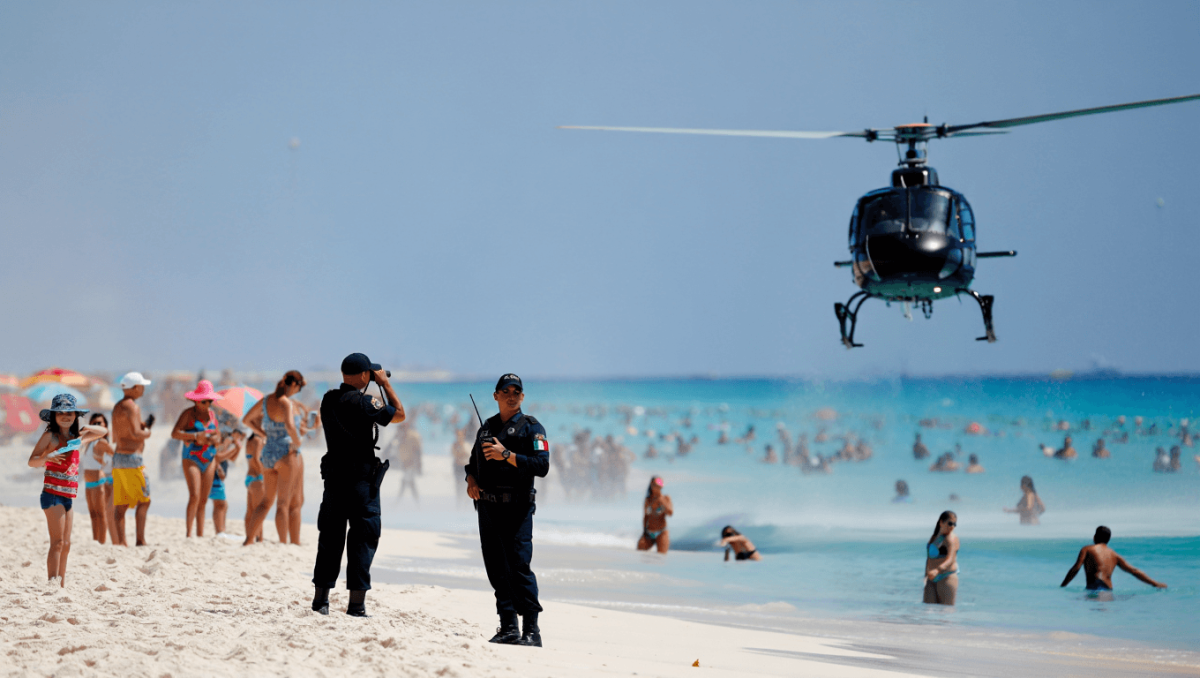
Armed units patrolling shorelines and checkpoints at transit nodes are part of a planned deterrent. This show of force is meant to prevent problems before they begin.
Sophia Laforteza of Katseye announces hiatus: comes months after Manon Bannerman’s exit
Delta to return to Tokyo Narita hub in 2027: 7-year comeback
- Deployment date: forces began moving in on March 27.
- Purpose: crowd control, petty-crime prevention, and rapid response.
- Seeing military or navy personnel on a beach is common in Mexico during peak travel periods.
The presence is largely preventive, not a sign of an active emergency. Officers and sailors aim to keep traffic flowing and public spaces orderly.
Traveler sentiment and the real safety picture for Cancun
Official travel advisories can sound strict, but on-the-ground reports from visitors tell a calmer story.
Our Traveler Safety Index shows Cancun sitting at a 91% confidence score, based on 1,425 recent votes. Most people report feeling secure while visiting.
When problems are reported, they most often relate to money or logistics rather than violence.
- Scams: 25 reports involving overcharges or bogus services.
- Transport issues: 21 reports, mostly about fares and unreliable shuttles.
The takeaway: the biggest threat to many travelers is financial loss, not physical danger.
Who’s deployed and where they’ll be stationed
The state activated a multi-agency force totaling 7,244 personnel. Units are assigned specific tasks across the coastal corridor.
Primary units and their roles
- National Guard — 979 personnel: airport terminals, Maya Train stations, and checkpoints along Highway 307.
- Mexican Navy — 472 personnel: maritime patrols, ferry routes to Cozumel and Isla Mujeres, and beach security.
- Tourist Police — 217 officers: bilingual units stationed in the Hotel Zone and along Playa del Carmen’s 5th Avenue to assist visitors.
- State & Local Police — 5,560 officers: traffic management, downtown rapid-response, and day-to-day law enforcement duties.
- Army — 233 troops: mobile checkpoints and heavier ground support.
Coordination among these agencies focuses on keeping transit moving and addressing incidents quickly.
High-surveillance areas and hotspots to know
Authorities are concentrating resources where crowds gather. Expect security to be visible at:
- Popular beaches and beach clubs.
- Jungle cenotes and guided-tour pickup points.
- Open-air malls and pedestrian shopping streets.
- Ferry terminals and other transport hubs.
- Nightlife districts, where surveillance links to tactical units.
Nighttime policing is supported by the state’s C5 camera network. Hundreds of high-definition feeds help dispatch units to disturbances quickly.
Smart travel moves while the Easter deployment is active
Most tourists won’t need to change plans. A few practical habits will reduce hassle and risk.
- Carry less cash and use cards where accepted.
- Confirm transport prices in advance. Use official taxis or registered ride apps.
- Keep a copy of your passport and travel documents on your phone.
- Be polite and unobtrusive if you encounter military personnel.
- Watch for common scams: unofficial vendors, fake ticket sellers, and unauthorized tour offers.
- Check live travel notices, entry rules, and safety scores on your preferred traveler dashboard before departure.
Tip: if a situation feels off, move to a well-lit, populated area and ask a Tourist Police officer for help.