Show summary Hide summary
- What changed and when: timeline of the baggage policy shift
- How much more passengers will pay
- Why Southwest says it raised fees
- Public and industry reaction: customers, unions, and analysts weigh in
- How this positions Southwest against other carriers
- Tips to avoid or reduce the new baggage costs
- What to watch next
Southwest Airlines is quietly raising its checked baggage charges less than a year after scrapping its long-standing “bags fly free” policy, a move that is catching passengers and industry watchers off guard. The airline frames the hike as a necessary step to balance costs, but travelers say the change erodes one of Southwest’s signature perks.
What changed and when: timeline of the baggage policy shift
Southwest ended its famous two-free-checked-bags benefit earlier this year. Now, within months, the carrier has adjusted its fee schedule again.
Sophia Laforteza of Katseye announces hiatus: comes months after Manon Bannerman’s exit
Delta to return to Tokyo Narita hub in 2027: 7-year comeback
- Policy end: The “bags fly free” era concluded less than a year ago.
- New increase: The latest fee adjustment takes effect immediately for new bookings and at the gate for some passengers.
- Scope: The rise affects first and second checked bags, with higher charges for overweight items.
How much more passengers will pay
Southwest has announced a tiered fee structure that raises costs across the board. The airline’s official numbers vary by route and fare class.
Typical fee examples
- First checked bag: a modest increase compared to the previous rate.
- Second checked bag: a larger jump, designed to push some travelers toward carry-on options.
- Overweight and oversized baggage: fees rose substantially.
Frequent flyers and families carrying equipment may feel the biggest impact.
Why Southwest says it raised fees
In its statement, the airline cited rising fuel and labor costs and the need to invest in fleet and service. Executives framed the change as a financial necessity.
- Cost pressure from inflation and parts shortages.
- Investment in customer technology and punctuality improvements.
- Attempt to align pricing with competitors while preserving some perks for frequent flyers.
Public and industry reaction: customers, unions, and analysts weigh in
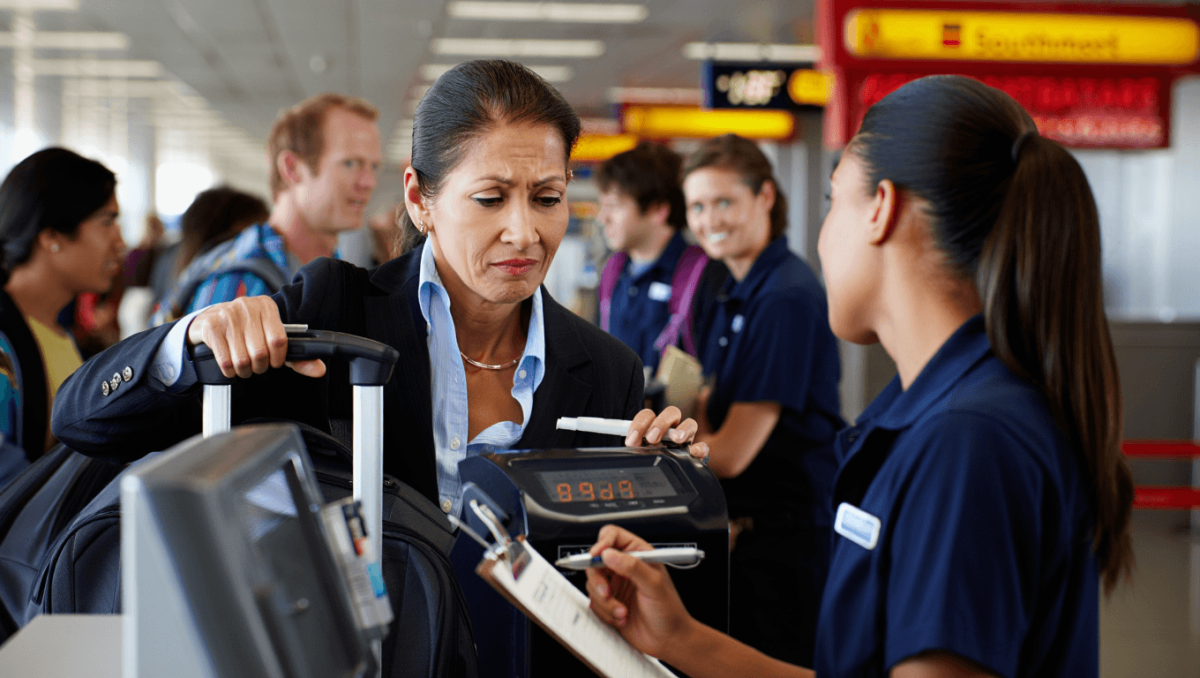
Travelers reacted on social media and at airport counters. Many called the move a breach of trust.
- Passengers: complaints about unpredictability and added travel costs.
- Consumer advocates: concern about transparency and potential hidden fees.
- Analysts: some see the hike as inevitable; others warn it may hurt Southwest’s brand.
How this positions Southwest against other carriers
Airlines have long used baggage fees to boost ancillary revenue. Southwest’s change narrows the gap with legacy carriers.
- Competitors already charge for checked bags on many fares.
- Southwest still differentiates with customer service and loyalty perks.
- But price-sensitive travelers may shift to low-cost rivals on certain routes.
Tips to avoid or reduce the new baggage costs
There are several ways travelers can limit the financial impact.
- Pack lighter and maximize carry-on allowances.
- Join Southwest’s loyalty program to earn complimentary perks.
- Buy a higher fare bundle that includes checked bags if it lowers overall cost.
- Split items across travelers to avoid overweight charges.
Comparing total trip costs before booking can save money.
What to watch next
Regulators and consumer groups may scrutinize announcements for clarity and fairness. Investors will monitor whether the fee increases boost revenue without eroding demand.
For passengers, the key is to read fare rules and baggage policies before booking. Changes like these can affect the final price more than a year-long trend in ticketing or fuel costs.