Show summary Hide summary
- How families are preparing to watch the Super Bowl halftime show
- Strategies for avoiding conflict and staying comfortable
- Some will use the halftime show to make a statement
- Watch parties, public events, and safety precautions
- How social media factors into family plans
- Voices from households balancing fandom and ideology
- What political and cultural observers say about halftime tensions
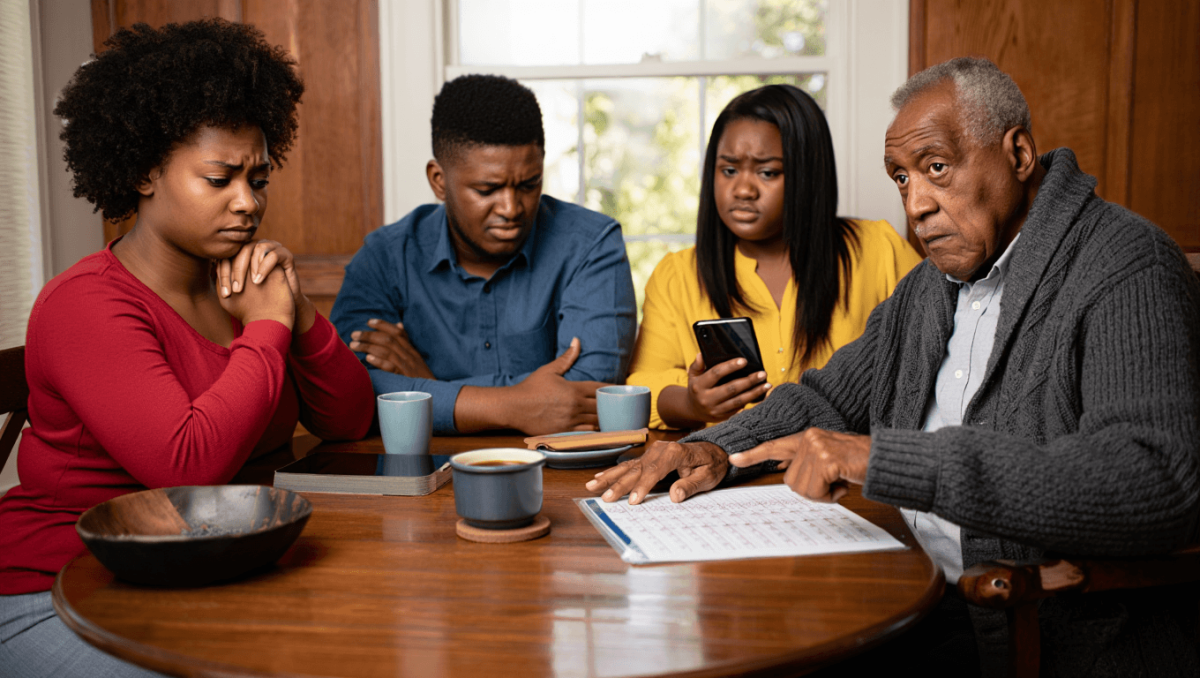
With the Super Bowl approaching, relatives of MAGA supporters are mapping out how they’ll spend the night. For many, the halftime show is more than entertainment. It has become a moment to navigate family ties, political identity, and public spectacle at once. Conversations, outfits and seating plans are already set in many homes.
How families are preparing to watch the Super Bowl halftime show
Some households plan to treat the game like any other sports night. Others expect the halftime performance to trigger political talk. Across living rooms, the mood ranges from playful to cautious.
Sophia Laforteza of Katseye announces hiatus: comes months after Manon Bannerman’s exit
Delta to return to Tokyo Narita hub in 2027: 7-year comeback
- Private watch parties with close family only.
- Split viewing, where different rooms stream different content.
- Designated “no-politics” zones centered on the TV.
- Record-and-review: recording the show to watch later to avoid live reactions.
Strategies for avoiding conflict and staying comfortable
Relatives report simple protocols to keep the night calm and enjoyable. The plans are practical, often humorous, and sometimes firm.
- Agreeing in advance to avoid talk of elections and campaigns.
- Assigning a moderator to steer the conversation back to sports.
- Using headphones or another room when someone wants to watch alone.
- Preparing snacks that appease different tastes and ease tension.
Some will use the halftime show to make a statement
Not everyone seeks calm. For some families, the halftime stage is a prompt for expression. This can take many forms, from subtle clothing choices to loud displays of political pride.
- Wearing branded apparel to signal identity.
- Choreographing chants or toasts tied to political messaging.
- Planning a coordinated social media post during the halftime performance.
For these households, the halftime show doubles as a carefully timed chance to be seen and heard.
Watch parties, public events, and safety precautions
Where people gather matters. Those attending public watch parties consider safety and optics before accepting invites.
- Choosing smaller, vetted venues over large public gatherings.
- Avoiding events advertised with political language.
- Establishing exit plans in case tensions escalate.
- Agreeing not to film other guests without consent.
How social media factors into family plans
Many relatives expect the halftime show to trend online. Their tactics reflect that reality.
- Scheduling posts to coincide with commercial breaks rather than live performance.
- Using private group chats to share reactions instead of public platforms.
- Tracking specific hashtags to monitor reactions in real time.
Controlling the narrative online is as important as controlling the conversation at home.
Voices from households balancing fandom and ideology
Family members offered different reasons for their choices. Some want to avoid confrontation. Others view the event as an opportunity to bond or to broadcast beliefs.
- “We agreed to focus on the commercials,” one relative said, noting it reduces flashpoints.
- Another described plans to mute commentary during the show to limit external influence.
- One parent said they’ll keep the children in a separate room if the performance becomes a flashpoint.
What political and cultural observers say about halftime tensions
Analysts point out that the Super Bowl has long carried cultural weight. They see the halftime show as a predictable flashpoint for identity politics.
- The event merges entertainment, commerce and public debate.
- High-profile performances invite strong reactions, online and offline.
- Families’ strategies mirror broader social approaches to contested media.
Experts suggest setting clear expectations ahead of time can reduce friction.