Show summary Hide summary
- Tony Hawk’s public rebuttal and the evidence he shared
- A clearer look at the four weddings he cited
- Where the Epstein-island rumor originated and why it spread
- Media and public reaction to Hawk’s documentation
- Why public records and receipts matter in disputes about reputation
- What this episode shows about celebrity, rumor, and verification
Tony Hawk has publicly pushed back against a viral claim that he was married on Jeffrey Epstein’s private island, supplying documents he says prove the exact opposite and showing that his wedding history is well-documented and far removed from those allegations.
Tony Hawk’s public rebuttal and the evidence he shared
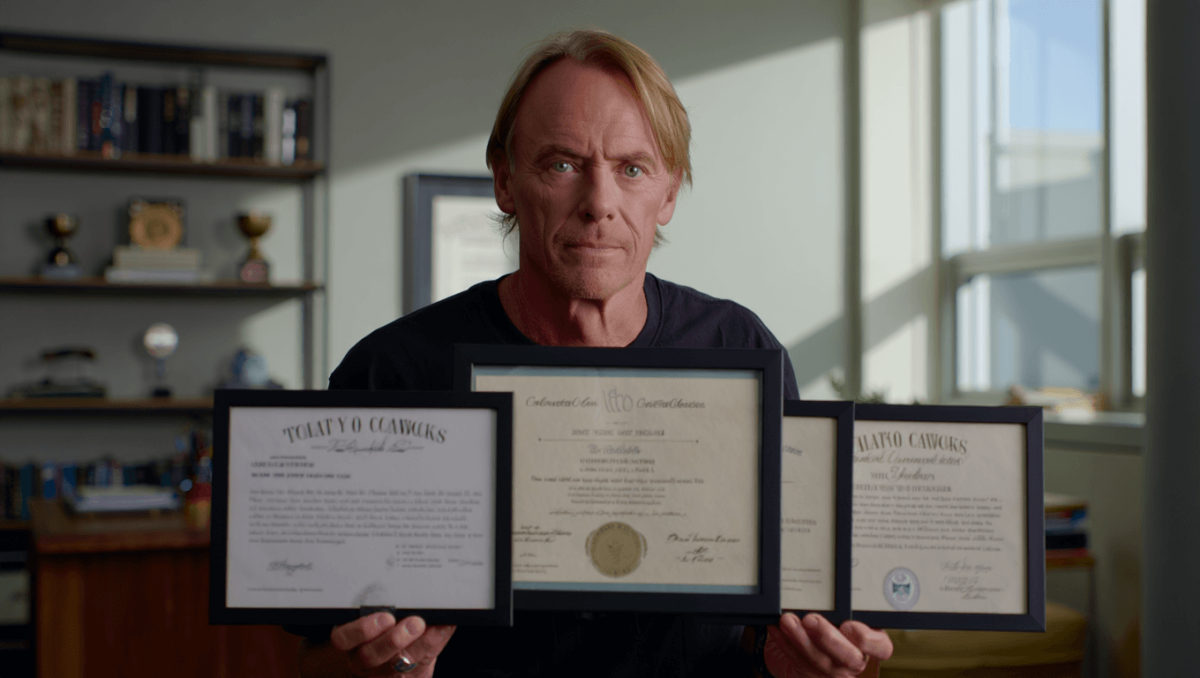
Tony Hawk took to social media to respond after the rumor gained traction online. He posted a collection of documents and photos that, he says, trace every wedding ceremony he’s had. Those posts included scans and images meant to verify dates, venues, and legal paperwork.
- Marriage certificates: Hawk displayed official-looking certificates intended to show where and when each ceremony occurred.
- Venue receipts and vendor contracts: Several images appeared to be invoices and confirmations from locations and vendors.
- Photographs and guest lists: Photo evidence and captions were used to anchor the events in specific places and times.
Customer service phone lines make a comeback: AI fatigue pushes users away from chatbots
Lady Gaga baby girl’s unique name meaning revealed
Hawk’s tone in the posts was firm but factual. He framed the documents as a simple answer to a specific allegation and invited readers to judge the evidence for themselves.
A clearer look at the four weddings he cited
Rather than a single private-island event, Hawk’s materials claim four distinct wedding occasions. He provided a brief timeline and supporting items for each.
- Multiple ceremonies spanning different years and settings.
- Legal paperwork associated with state or local jurisdictions.
- Commercial receipts tied to venues, catering, and officiants.
These items were presented as a package to demonstrate continuity and legitimacy. The intent was to show how the events fit into a documented life rather than into an unverified rumor.
Where the Epstein-island rumor originated and why it spread
False or sensational claims often surface when public figures have tangential or coincidental ties to high-profile scandals. In this case, the rumor linked Hawk to Jeffrey Epstein’s island in ways that lacked direct evidence.
- Social platforms amplify short, emotive claims.
- Context can be lost when posts are shared without verification.
- High-profile names connected to controversial stories generate clicks.
Misinformation can move faster than corrections. That speed forces public figures into quick responses or risk reputational harm.
Media and public reaction to Hawk’s documentation
Journalists and users on social networks reacted in mixed ways. Some accounts treated Hawk’s documents as definitive refutation. Others called for independent verification from third-party sources.
- Fact-checkers reviewed claims and called for corroboration.
- Certain outlets updated their reporting after Hawk’s posts.
- Some readers remained skeptical until public records were checked.
The episode underscores how media outlets now balance urgency with accuracy. Corrections and updates followed as verification advanced.
Why public records and receipts matter in disputes about reputation
For public figures, documentation can be decisive. Official records and transactional proof are tangible ways to counter allegations.
Receipts, certificates, and vendor contracts are not only financial documents. They often include dates, addresses, signatures, and other details that help establish where events took place.
- Legal documents anchor claims in verifiable facts.
- Receipts and contracts show logistical reality.
- Photographs and witness lists provide human context.
When a rumor threatens to alter public perception, having accessible, credible evidence is essential. It allows reporters and the public to weigh claims against documentation.
What this episode shows about celebrity, rumor, and verification
The incident is a reminder of the modern media environment. Allegations can snowball quickly. Responses that pair clear statements with supporting materials tend to control the narrative more effectively than denials alone.
- Speed matters, but so does the quality of evidence.
- Public figures often must present documentation to restore clarity.
- Independent verification remains the final arbiter for many outlets.
Hawk’s approach illustrates one common tactic: present records publicly, invite scrutiny, and let verifiers confirm or refute the claim.