Show summary Hide summary
- Scene at the podium: the question that set off a firestorm
- Why the exchange matters beyond the microphone
- Reactions from lawmakers and advocacy groups
- ICE’s position and public statements
- Legal questions and investigative pathways
- Past controversies that shape today’s reaction
- How the media and public are amplifying the moment
- Potential political fallout and what to watch next
Former President Donald Trump’s sharp, profanity-laced reply to a reporter’s question about two Americans killed during an Immigration and Customs Enforcement operation has ignited a fresh storm. The exchange, captured on video, put agent conduct, presidential accountability, and immigration enforcement back at the center of public debate.
Scene at the podium: the question that set off a firestorm
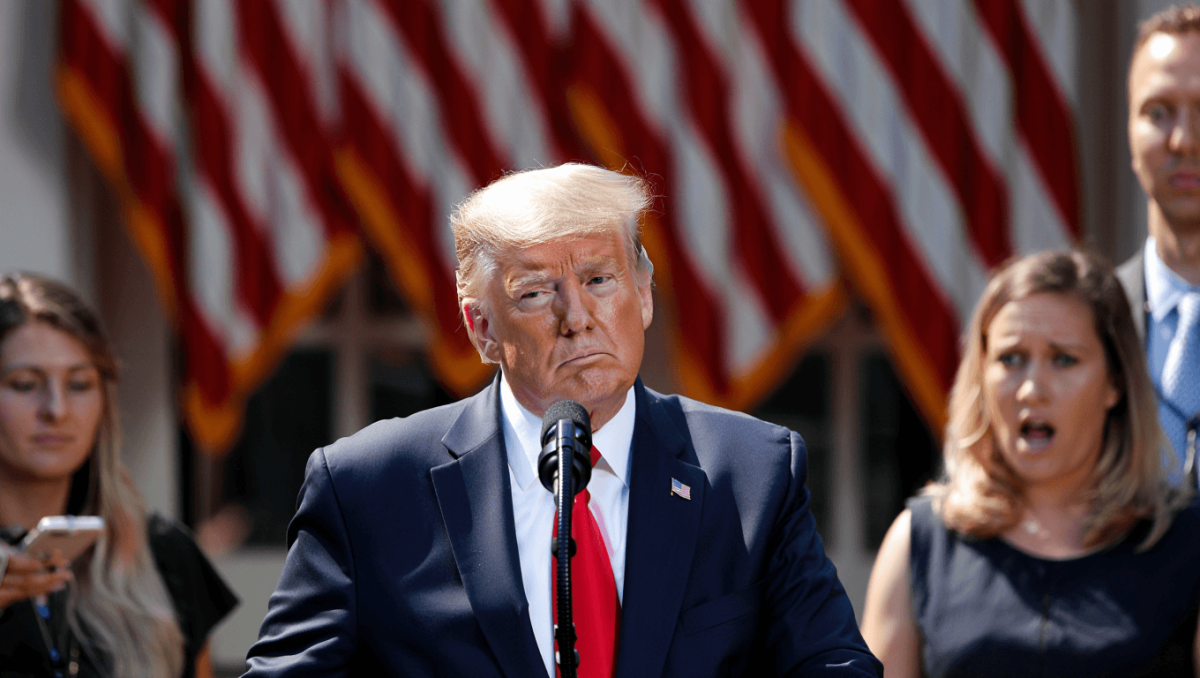
The moment unfolded after a public appearance where a journalist asked whether the administration would investigate an ICE operation that ended with two U.S. citizens dead. Instead of a measured response, the former president brusquely pushed back. The interaction was brief, tense, and quickly circulated across social platforms.
Sophia Laforteza of Katseye announces hiatus: comes months after Manon Bannerman’s exit
Delta to return to Tokyo Narita hub in 2027: 7-year comeback
What was asked and how he replied
- Reporter: Sought clarity on probe plans and accountability.
- Trump: Responded with a curt, profane dismissal, saying, in effect, “What are you talking about?”
- Press corps: Reacted with audible surprise; cameras captured reactions and follow-ups.
Why the exchange matters beyond the microphone
Levels of concern go past the insult. The question touched on law enforcement conduct and citizens’ rights. For many observers, the reply felt like a reflexive defense of federal agents rather than a commitment to facts or oversight.
Key issues raised
- Whether a thorough, independent investigation will occur.
- How ICE rules of engagement are applied during enforcement actions.
- The role of presidential rhetoric in shaping public trust.
Reactions from lawmakers and advocacy groups
Responses varied widely along political lines. Elected officials and civil rights groups used the moment to press for information. Conservative allies defended the blunt tone as standing up for law enforcement.
- Democrats and civil liberties groups called for a full, transparent inquiry and expressed alarm at the dismissive answer.
- Republicans and pro-enforcement voices framed the comment as a defense of ICE and a rejection of what they termed politicized media framing.
- Independent watchdogs requested release of body-cam footage and incident reports.
ICE’s position and public statements
Immigration and Customs Enforcement issued a short statement acknowledging the deaths and saying protocols were followed. The agency pledged cooperation with any formal probe.
- ICE emphasized agent safety and claimed actions were in line with training.
- Officials promised internal review and coordination with local prosecutors.
Legal questions and investigative pathways
Legal experts say multiple routes exist for scrutiny. State prosecutors, federal oversight bodies, and inspector generals can each play roles. The specifics will depend on jurisdiction and the nature of available evidence.
Possible legal avenues
- Criminal investigations by local or federal prosecutors.
- Civil rights probes by the Department of Justice.
- Administrative reviews or disciplinary proceedings within ICE.
Past controversies that shape today’s reaction
ICE has faced repeated criticism for tactics and lack of transparency. High-profile incidents over the years have eroded trust among immigrant communities and civil liberties advocates.
- Previous use-of-force cases that led to reform demands.
- Longstanding calls for more body cameras and independent oversight.
- Political polarization over immigration enforcement strategy.
How the media and public are amplifying the moment
Video clips and analysis spread rapidly online. Cable networks replayed the exchange, while social feeds split between outrage and defense. The viral reach turned a short rebuttal into a national story.
Trends in coverage
- Short clips drove immediate attention.
- Op-eds and panel discussions framed the exchange as symptomatic of broader tensions.
- Hashtags and paid ads pushed competing narratives to targeted audiences.
Potential political fallout and what to watch next
Observers will monitor whether investigations are launched and how leaders handle follow-up. The episode could influence voter perceptions about safety, accountability, and presidential demeanor.
- Watch for formal probes and document releases.
- Look for statements from local prosecutors and the Justice Department.
- Note shifts in polling tied to law-and-order messaging.