Show summary Hide summary
- Claim from a former Trump aide raises alarms
- What ICE is allowed to do at public sites
- Legal experts highlight voter intimidation risks
- Election officials push back and clarify procedures
- How voters and poll workers can respond
- Why this matters for turnout and trust
- Possible legal and political fallout
- What to watch next
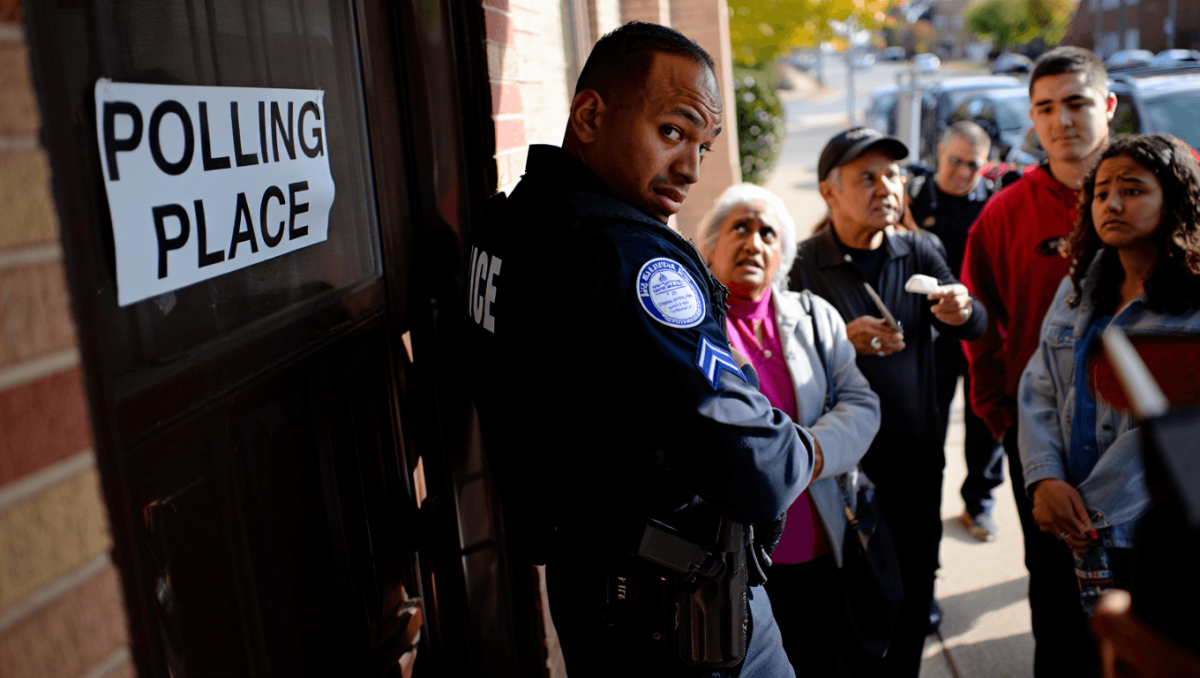
A former White House adviser has claimed that Immigration and Customs Enforcement will be deployed at voting sites this election cycle. The comment has sparked immediate alarm from voting rights advocates, legal experts, and election officials who warn the presence of federal immigration agents at polling places could chill turnout and raise legal questions.
Claim from a former Trump aide raises alarms
In a recent public statement, a former adviser to Donald Trump said ICE agents would be stationed at polling locations. The remark spread quickly across social media and conservative outlets.
Sophia Laforteza of Katseye announces hiatus: comes months after Manon Bannerman’s exit
Delta to return to Tokyo Narita hub in 2027: 7-year comeback
Supporters of the claim argue it would deter illegal voting. Critics say the announcement amounts to intimidation and could suppress lawful participation.
What ICE is allowed to do at public sites
ICE’s core mission is immigration enforcement and homeland security. Its agents have authority to apprehend individuals who violate federal immigration law.
- ICE typically focuses on investigations, arrests, and deportation proceedings.
- Enforcement at public events or spaces has varied by administration and internal policy.
- ICE policy has long identified certain “sensitive locations” where enforcement should be avoided, and polling places are often listed among them.
Legal experts highlight voter intimidation risks
Attorneys and civil-rights groups warn that a visible ICE presence could cross into illegal voter intimidation.
- Federal law forbids intimidation or coercion that affects voting.
- Even lawful enforcement can have a chilling effect on immigrant communities.
- Court challenges could follow if agents conduct enforcement near polling sites.
Election officials push back and clarify procedures
Local election administrators in several states issued statements emphasizing their plans to keep polling places secure and accessible.
- Most jurisdictions require that only election workers, voters, and authorized observers be on the premises.
- Law enforcement presence at polls is typically limited and coordinated with election offices.
- Officials stress that voters should not be deterred from casting ballots.
How voters and poll workers can respond
Election experts recommend clear steps if voters or workers encounter federal agents at a polling location.
- Remain calm and avoid interference with law enforcement activity.
- Document the interaction if safe to do so: note time, agency name, and agent identification.
- Contact local election officials immediately to report the situation.
- Reach out to nonpartisan voter protection groups for guidance and legal referrals.
Prompt reporting helps build a record for any legal review.
Why this matters for turnout and trust
Experts say the mere suggestion of enforcement at polls can undermine confidence in free and fair elections.
- Voters from immigrant communities may avoid polling places out of fear.
- Perceptions of targeted enforcement can erode trust in institutions.
- Election integrity relies on both security and equal access.
Possible legal and political fallout
If federal agents were deployed near polling sites, expect a swift legal response and public debate.
- Civil-rights lawsuits could argue the action violates voting protections.
- State election authorities might issue directives limiting enforcement activity.
- Lawmakers could call hearings to probe coordination between agencies.
What to watch next
Follow statements from state election offices and the Department of Homeland Security.
- Watch for official policy clarifications from ICE and DHS.
- Monitor guidance from state attorneys general and election boards.
- Track responses from voter-protection organizations and courts.