Show summary Hide summary
- Why this World Cup is a turning point for retail marketing
- How malls and shopping centers are transforming into fan hubs
- Retail media networks jockeying for World Cup ad spend
- Seattle’s Goodwill uses the tournament to drive tourism and thrifting
- Marketing tactics: influencers, social campaigns, and treasure-hunt merchandising
- Implications for consumer behavior and retail planning
- What advertisers and local organizers will monitor during the tournament
The upcoming FIFA World Cup is reshaping retail strategies across the U.S., turning shopping centers and storefronts into fan destinations and ad battlegrounds. As retailers and brands race to capitalize on global soccer fever, the tournament presents both a major revenue opportunity and a stress test for consumer resilience amid rising costs.
Why this World Cup is a turning point for retail marketing
Industry editors and reporters have flagged this year’s tournament as unusually consequential. For retailers, the World Cup is more than a momentary sales spike. It’s a chance to prove that shoppers will still spend on experiences and merchandise despite inflationary pressure, especially higher fuel costs that could limit discretionary trips.
Taylor Swift and Travis Kelce surprise rehearsal dinner guests with diamond-encrusted keepsakes
Denver airport to add underground walkways connecting concourses: faster, easier transfers
Advertisers and retail media networks are watching closely. Many are reallocating budgets to reach audiences who will be highly engaged for weeks. The stakes are high: strong ad performance could lock in long-term dollars for retailer-owned ad platforms.
How malls and shopping centers are transforming into fan hubs
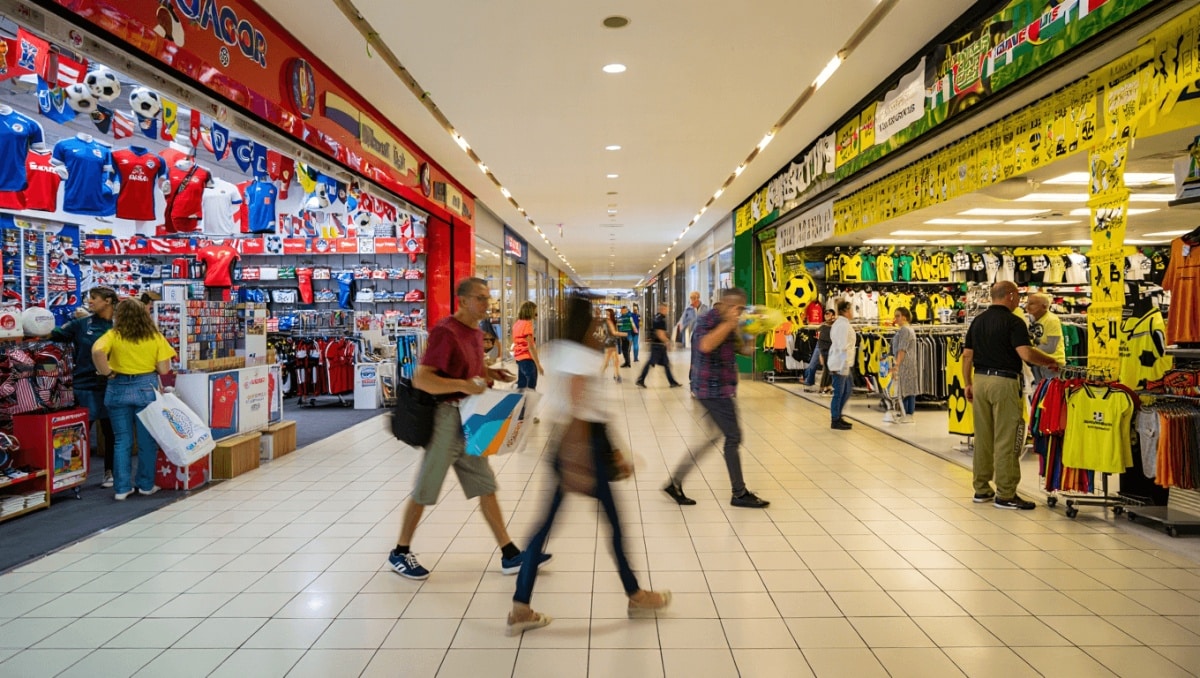
Malls are reimagining spaces to capture match-going crowds and viewing parties. From pop-up fan zones to extended hours and special promotions, physical retail is trying to compete with stadium and streaming experiences.
- Live viewing events and communal screens in common areas.
- Food and beverage tie-ins targeting match schedules.
- Collaborations with local artists and performers to create unique, shareable moments.
These activations aim to turn routine shopping trips into destination experiences. The goal: keep foot traffic steady and encourage spontaneous purchases.
Retail media networks jockeying for World Cup ad spend
Retailers with first-party data see the World Cup as a rare chance to showcase the value of their advertising platforms. They’re pitching advertisers on highly targeted campaigns timed to peak match interest.
What advertisers want: measurable reach, audience intent signals tied to purchases, and contextual placements around fan behaviors. Retail media networks respond by offering tailored packages around match days, in-store promotions, and omnichannel creative.
Seattle’s Goodwill uses the tournament to drive tourism and thrifting
In Seattle, Evergreen Goodwill of Northwest Washington is preparing to turn its flagship store into a must-visit spot for fans and tourists. The city will host six World Cup matches, and the stadium sits just minutes from the nonprofit’s massive retail location.
Alyssa Grigg, the organization’s senior director of marketing and communications, describes plans that blend commerce with community engagement. The strategy focuses on drawing match-going crowds into the store and turning casual visitors into enthusiastic shoppers.
On-site events and activations designed to attract fans
- Live screen printing demonstrations featuring local artists.
- Curated vintage soccer racks and limited-edition merch drops.
- In-store moments staged as social-media-friendly photo ops.
Thrifting as tourism has emerged as a key theme. Goodwill’s approach treats the store like a city attraction: people come for the matches and leave with a unique find.
Marketing tactics: influencers, social campaigns, and treasure-hunt merchandising
Retailers and nonprofits alike are leaning into influencer partnerships and targeted social push to amplify in-person activations. The tactics are straightforward but effective.
- Local creators host guided thrift tours inside large-format stores.
- Timed social posts sync with match schedules to capture peak attention.
- Limited-time offers and hidden gems create urgency and word-of-mouth.
Goodwill and other retailers expect the combination of curated product drops, experiential events, and influencer-driven content to drive both immediate sales and long-term brand interest.
Implications for consumer behavior and retail planning
Retail planners are modeling different scenarios. If fuel prices and other costs remain high, occasional event-driven trips may replace regular shopping outings. But the World Cup could reset expectations: a successful, well-promoted tournament can spur spending on memorabilia, food, and experiences.
Key considerations for retailers:
- Align inventory and staffing with match schedules and local events.
- Use first-party data to target high-value fans with timely offers.
- Create memorable in-store experiences that are easy to share online.
What advertisers and local organizers will monitor during the tournament
Metrics will include foot-traffic lifts, conversion rates for match-day promotions, and engagement on retail media channels. For nonprofits and community-focused retailers, measuring tourism impact and new donor or volunteer interest will also matter.
Success signals could reshape post-tournament strategies, with winners doubling down on event-based retail and elevated ad investments across retailer-owned platforms. The World Cup is not just a sporting event; for many in retail it’s a live experiment in audience activation and resilience.