Show summary Hide summary
- Clorox’s push into TikTok Shop and social commerce
- Turning meme culture into products: the Pine‑Sol case
- How Clorox selects which products to sell on social channels
- Early results and KPIs from the platform
- Using TikTok as a product lab and feedback loop
- Changing shopper profiles: why Gen Z matters for cleaning brands
- Corporate context: investments, guidance and channel strategy
- How brands plan TikTok content and launches
- News briefs: retail and ad tech moves to watch
- Related coverage on marketplaces and social selling
TikTok scrolling brought Pine‑Sol a new persona: colorful cartoons, anime riffs and a wizard frog selling limited‑run scented bottles. The stunt didn’t feel like a household cleaner launch. It felt like a viral fandom drop — and it sold out in hours.
Clorox’s push into TikTok Shop and social commerce
Clorox has been quietly expanding its footprint on TikTok Shop. Over the past year the company opened storefronts for several of its brands, from Burt’s Bees to Brita, Hidden Valley Ranch, Pine‑Sol and Clorox proper. The move mirrors a broader industry shift as big CPG names chase direct discovery and impulse buys on social platforms.
The company sees TikTok Shop as more than another sales channel. It treats the platform as a place to test ideas, engage creators and learn consumer behavior in real time. According to Clorox, brands with at least $30 million in annual revenue nearly doubled their TikTok Shop sales in 2025. Retailers such as Ulta Beauty, Sally Beauty and PepsiCo have also ramped up activity on the platform.
Taylor Swift and Travis Kelce surprise rehearsal dinner guests with diamond-encrusted keepsakes
Denver airport to add underground walkways connecting concourses: faster, easier transfers
Turning meme culture into products: the Pine‑Sol case
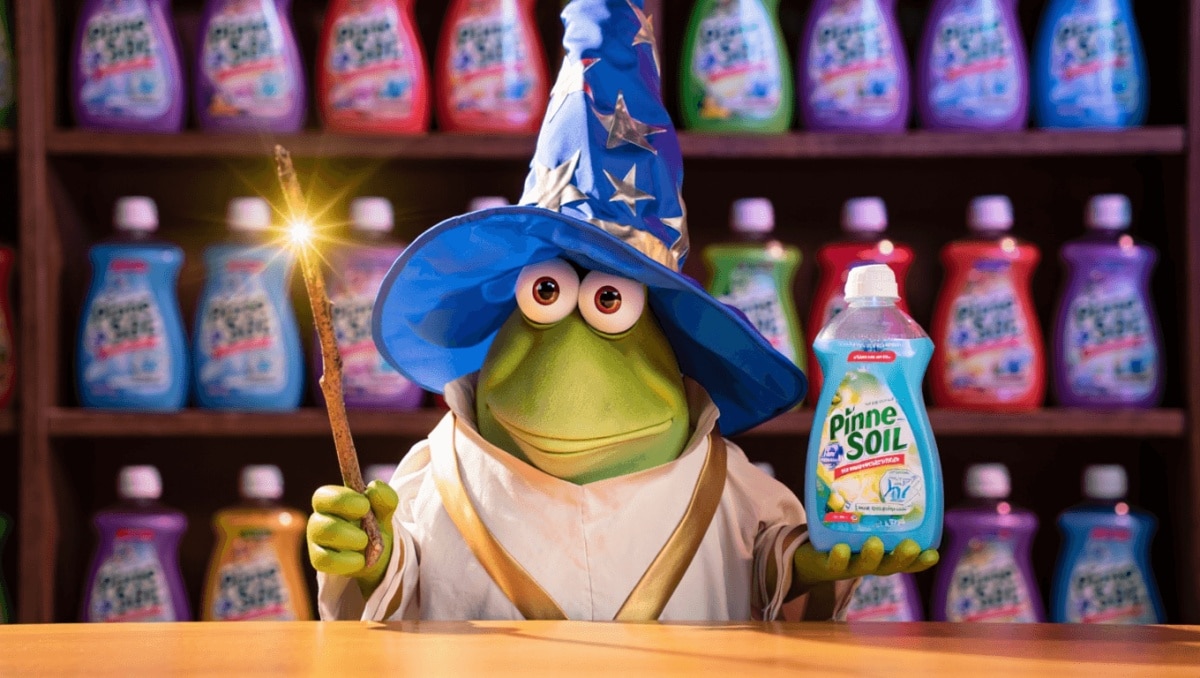
Pine‑Sol’s TikTok account leans into irreverence. The brand developed an “OMG da Pine” universe of animated characters, inside jokes and short, shareable clips. One viral clip — a frog in a wizard hat urging viewers to clean — amassed millions of views and drove heavy engagement.
That audience became the testbed for commerce. In May, Pine‑Sol launched four TikTok‑exclusive scents tied to those characters: Magic Matcha, Strawberry Shine, Banana Boogie and Midnight Espresso. The limited drops sold out within hours, giving Clorox a quick signal about which fragrances resonated.
How Clorox selects which products to sell on social channels
Clorox doesn’t put its entire catalog on TikTok Shop. Instead, the company curates items that match the platform’s creator culture and viewing patterns.
– Burt’s Bees was an early TikTok Shop pick because beauty content thrives on creators and visual demos.
– The brand focused on giftable, highly visual SKUs and limited editions that creators could showcase.
– Pine‑Sol’s character drops and Clorox Pure’s early launch show the company’s playbook: use creators to educate and convert for new or niche products.
Clorox’s approach emphasizes experimentation over wholesale catalog migration. Curated drops, exclusives and creator‑friendly items are the preferred model.
Early results and KPIs from the platform
The initial metrics are modest but instructive. Since launching on TikTok Shop, Burt’s Bees has generated tens of thousands of orders; Clorox shared a figure of more than 60,000 orders for that brand. Other brands posted smaller totals: Brita near 1,000 orders, Hidden Valley close to 450, Pine‑Sol over 300 and the Clorox brand just a few hundred, following its recent rollout.
On the audience side, Clorox reports millions of organic impressions across its accounts. Pine‑Sol alone logged more than 8.4 million organic impressions, averaging roughly 72,400 views per post. A limited collaboration — a lip balm with Grillo’s Pickles — went viral and produced more than 2.3 million organic impressions. The social team creates about 100 TikTok posts across brands each month.
Using TikTok as a product lab and feedback loop
Clorox treats TikTok Shop as a real‑time laboratory. Limited releases reveal what drives clicks, shares and purchases. That immediate feedback helps shape fragrance decisions, packaging ideas and future drops.
For example: the Pine‑Sol scents’ speedy sellouts offered proof of concept. The company used post‑launch data to identify top‑performing fragrances and to inform product development beyond social channels. Fast consumer feedback and clear creator signals make TikTok a valuable testing ground.
Changing shopper profiles: why Gen Z matters for cleaning brands
Behavioral shifts are reshaping the cleaning category. Clorox’s survey work shows younger shoppers approach cleaning differently: many Gen Z consumers treat cleaning as bite‑sized moments throughout the day and find the activity more enjoyable than older cohorts do.
– Roughly half of Gen Z respondents said they look forward to cleaning.
– Older shoppers reported a much lower enthusiasm for chores.
These generational differences open room for brands to build communities around playful content, not just utility messaging. Clorox leverages that insight to design social content and product positioning aimed at younger audiences.
Corporate context: investments, guidance and channel strategy
Clorox’s social commerce push comes as the company adjusts to a shifting financial picture. Management trimmed its full‑year earnings guidance and wrapped a five‑year, $580 million investment program in new digital capabilities earlier this year.
Senior leaders emphasize omnichannel reach. Their goal is to make products available wherever consumers shop — from club stores to dot‑com and neighborhood grocers — and to tailor assortments and packaging for each channel. On TikTok, that means selective product curation and creator partnerships rather than listing every SKU.
How brands plan TikTok content and launches
Clorox’s teams build content informed by social trends and creator behavior. They study which aesthetics and communities are growing, then translate those signals into characters, tone and product concepts.
– Social insights guide character creation, such as anime influences and meme formats.
– Creator partnerships are used for product education and discovery.
– Limited drops and exclusive launches create urgency and test demand.
This content-driven approach helps brands measure both engagement and purchase intent in a single environment.
News briefs: retail and ad tech moves to watch
- Walmart agreed to buy ad tech company Vibe.co for about $1.4 billion, expanding its digital advertising reach.
- Amazon settled a U.S. identity‑theft case for $2.25 million.
- Amazon Web Services raised prices on a leading AI cloud service by roughly 20%.
Related coverage on marketplaces and social selling
- Prime Day signals hint that shoppers may save big purchases for later seasonal events.
- Amazon purchased ad placements inside ChatGPT to promote Prime Day.
- Lowe’s rolled out easier in‑store ordering for marketplace items across more than 1,700 locations.