Show summary Hide summary
The small prop plane dipped between emerald peaks and settled onto a short runway. I walked onto tarmac, breathed the humid air, and felt instantly removed from the usual travel noise. Towering, rain-soaked summits and thick jungle met the sky, and a different Caribbean revealed itself.
Why Dominica Feels Like a True Nature Island
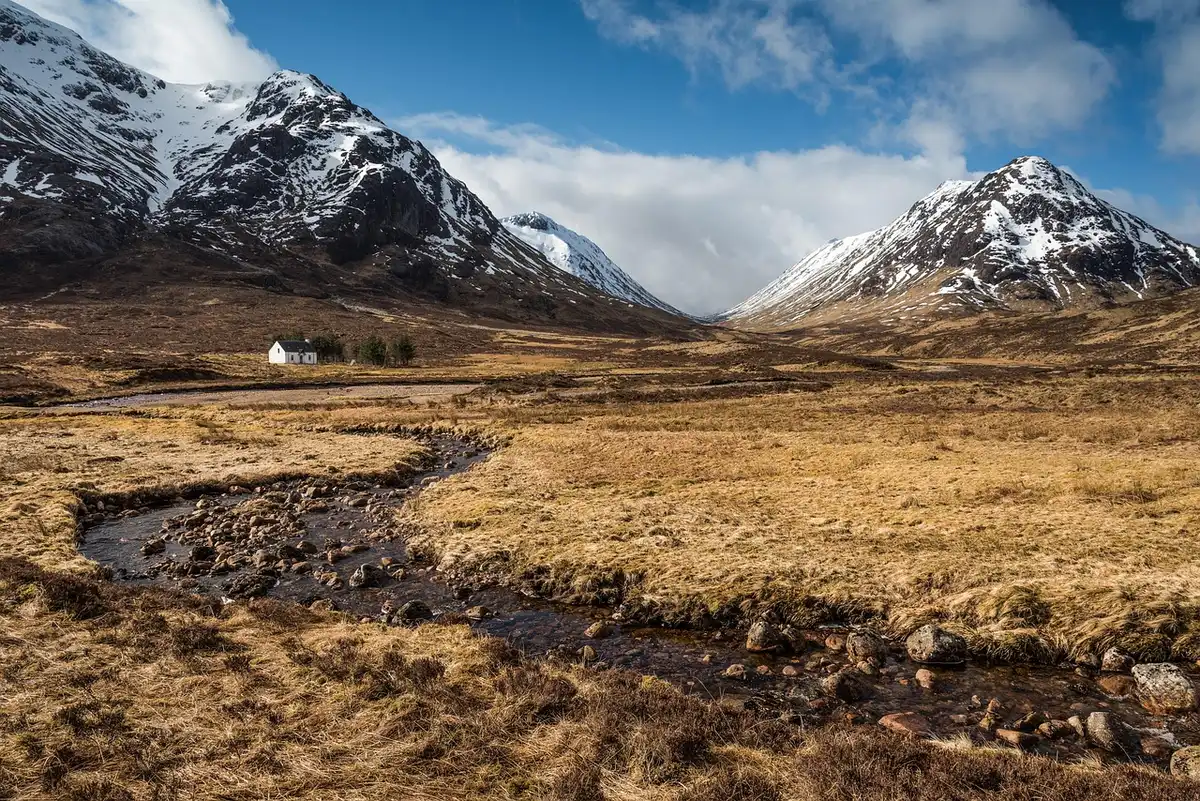
Dominica avoids the glossy resorts that define many Caribbean postcards. Instead, it offers volcanic ridgelines, steaming vents, and rainforest trails. Locals live close to the land. Visitors find simple guesthouses, family-run eateries, and rugged outdoor beauty.
Savannah Guthrie begs for answers about missing mom: we cannot move forward
Netflix to give Joel Coen’s gothic mystery Jack of Spades a theatrical release in 2027
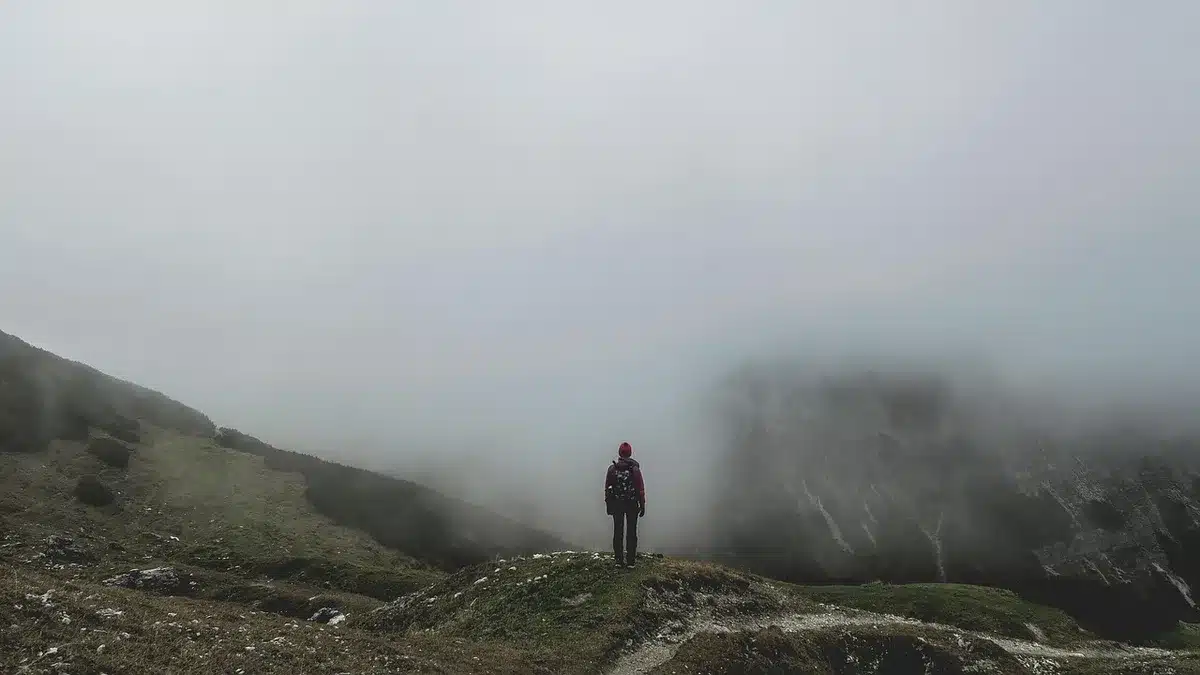
Nature, not neon, dominates the island. You will not find megahotels or gated beach compounds. What you will find are waterfalls tucked in gullies, quiet coastal coves, and natural thermal pools fed by volcanic heat.
Budget Snapshot: What You Can Expect to Pay
The island is more affordable than many people expect. You can travel here on a modest daily outlay if you favor local options over luxury resorts.
- Eco guesthouses or jungle cabins: roughly $80–$150 per night in off-peak seasons.
- Hearty Creole plate (chicken, rice, plantain): about $8–$12 at roadside vendors.
- Kubuli beer (local): typically $2–$3 a bottle.
- Fresh fruit smoothies: $4–$6, made with island mango, soursop, or papaya.
- Hot spring entry: $5–$10 for access to geothermal pools.
- 4×4 rental: $45–$60 per day; essential for steep, unpaved roads.
- Guided Boiling Lake trek: $50–$75 per person for a full-day guided hike.
Tip: Choosing local food stalls and small cabins stretches your budget and deepens the experience.
Getting There, Getting Around, and Local Practicalities
Travel logistics are straightforward once you plan your route. Direct flights from Miami now land at Douglas Charles Airport. Short hops arrive from nearby hubs like San Juan. Ferries connect Dominica with Martinique and Guadeloupe.
English is the island’s official language, so communication is easy for many travelers. The local currency is the Eastern Caribbean Dollar, but the US dollar is accepted almost everywhere.
- Carry some small EC notes for change in remote spots.
- Bring a 4×4. Mountain roads are steep and often narrow.
- Book a guide for remote hikes. Trails can be demanding and weather changes fast.
Safety on the island is a major plus. Crime rates are low by regional standards, and communities are welcoming. You can explore trails and village stalls with confidence.
Top Natural Experiences to Plan Into Your Trip
Wotten Waven Hot Springs — Soak in Volcanic Warmth
Tucked into jungle valleys, Wotten Waven offers rustic stone pools heated by underground volcanic activity. Local families run the pools and maintain the atmosphere. Relaxing here after a hike feels like a prize.

Trafalgar Falls — Twin Waterfalls and Easy Access
A short walk through dense forest leads to a viewpoint for two powerful falls. Many visitors scramble down to the base to swim in freshwater pools. The scene is dramatic and accessible to most travelers.
The Boiling Lake Hike — A Planetary Landscape
This is the island’s signature adventure. The trek is long and gruelling. You cross rivers, climb muddy trails, and enter the Valley of Desolation. Steam vents and bubbling mud resemble another world. The destination is a flooded volcanic crater that simmers like a giant pot.
Important: Hire a certified local guide for this route. The hike is physically demanding and conditions can change quickly.
Champagne Reef — Snorkel in Fizzy, Warm Water
Along the coast, geothermal vents release continuous streams of bubbles into the sea. The effect is like swimming in champagne. Snorkelers float among reef fish and colorful sponges while warm, effervescent water rises from the seafloor.
How to Make the Most of Your Visit
Plan for wet weather. Dominica’s rainforest receives frequent rain that creates lush landscapes and powerful waterfalls. Pack quick-dry clothing and sturdy footwear. Expect trail mud and slippery rocks.
- Book guides in advance for the Boiling Lake and remote hikes.
- Carry cash for small vendors. ATMs are limited outside main towns.
- Respect village life. Ask before photographing people or private property.
- Choose locally run lodges to support the community and discover off-grid comforts.
The island rewards slower travel. Spend more time on foot and less time rushing between tourist sites. That approach reveals hidden waterfalls, family-run hot pools, and quieter coastal coves.