Show summary Hide summary
- Why some viewers call for a Super Bowl boycott
- Social feeds full of inventive alternative plans
- Examples of online reactions and anecdotes
- How the internet turned boycotts into entertainment
- The family dynamics behind political showmanship
- What experts say about boycott theatrics
- How brands and networks respond to polarized viewing
- What this trend reveals about modern fandom
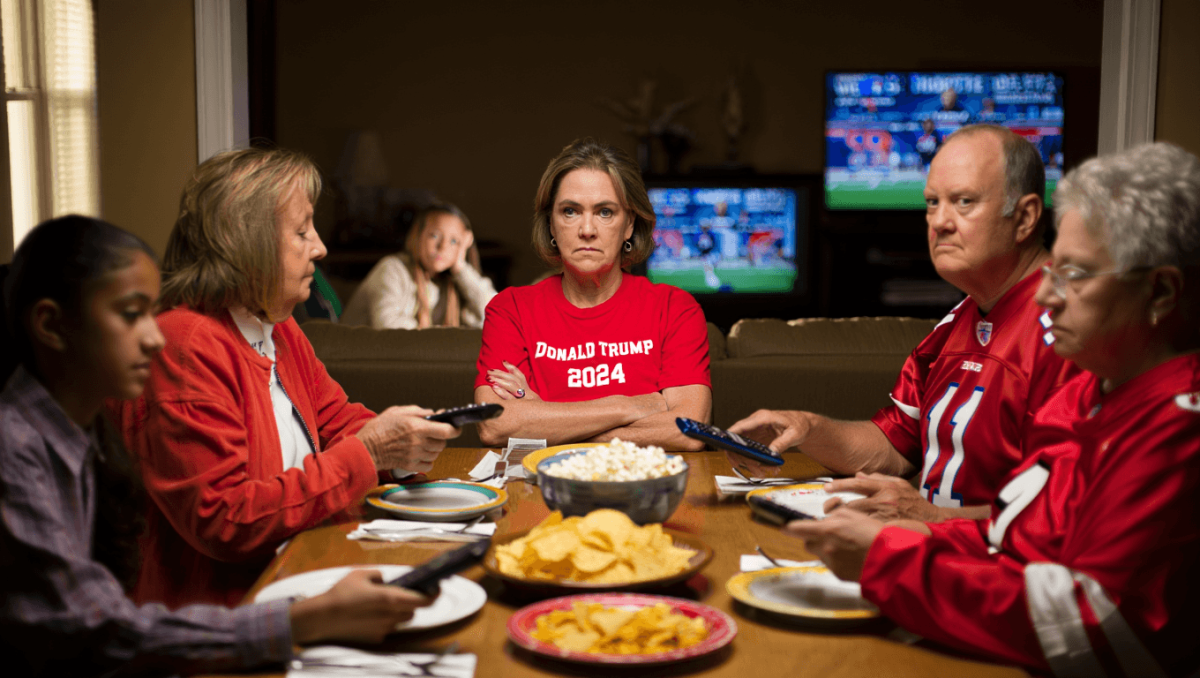
Americans prepare for the Super Bowl with snacks, rival fan gear, and streaming glitches — but some families are taking a different approach. Stories have circulated online of MAGA-aligned relatives plotting elaborate ways to avoid the game. The result is a mix of earnest protest, theatrical gestures, and a surprising amount of humor shared across social platforms.
Why some viewers call for a Super Bowl boycott
Political divides often extend into leisure choices. For certain voters, the Super Bowl becomes a cultural symbol tied to advertisers, networks, or celebrity endorsements. When a public figure or corporate message clashes with their values, some people decide to make a statement by opting out.
- Principled protest: Skipping the broadcast to avoid supporting a company.
- Cultural signaling: Using absence to express identity to friends and family.
- Performance politics: Framing avoidance as dramatic action to be shared online.
Sophia Laforteza of Katseye announces hiatus: comes months after Manon Bannerman’s exit
Delta to return to Tokyo Narita hub in 2027: 7-year comeback
These motives mix. The acts range from quiet no-shows at watch parties to full social media campaigns.
Social feeds full of inventive alternative plans
Across Twitter, TikTok, and Reddit, users posted what their MAGA relatives planned instead of watching football. The tone was often playful. Many accounts turned the boycott into a meme.
- Hosting a backyard barbecue while streaming conservative talk radio.
- Organizing a Bible study or prayer meeting during kickoff time.
- Holding a “patriotic movie night” featuring older war films.
- Visiting a local veterans’ charity instead of the party scene.
- Setting up a crafts table to make homemade flags and posters.
These ideas were shared with commentary, screenshots, and videos. The variety showed how political belief shapes even small holiday rituals.
Examples of online reactions and anecdotes
Some posts were short and sarcastic. Others offered full descriptions of plans. The mix created a peculiar kind of entertainment value.
Playful posts that went viral
- A video of a family packing up to “go tune in to a different channel” while the rest of the neighborhood watched the game.
- A thread listing alternative menus, like “red meat and apple pie night” in place of Super Bowl nachos.
- Images of living rooms rearranged into a “political discussion circle” at kickoff.
More earnest choices
- Groups organizing volunteer shifts at local charities during the game.
- Households holding civic education sessions focused on voting and registration.
Many of these posts mixed pride and humor. Some aimed to provoke debate. Others simply wanted to share a funny family quirk.
How the internet turned boycotts into entertainment
Online platforms amplify theatrical choices. When someone posts a photo of their “anti-Super Bowl rally,” it can rack up likes and comments. This feedback loop encourages more dramatic displays.
- Memes and captions escalate minor acts into trending topics.
- Comment sections become debate arenas where users applaud or mock the choice.
- Creators craft short clips to monetize or grow followings from the spectacle.
The result: what began as a personal decision often becomes public performance.
The family dynamics behind political showmanship
In many households, skipping the Super Bowl is also about identity within a family. Turning the choice into an event can reassure relatives that they are part of a community.
- It signals loyalty to shared values.
- It creates rituals that rival traditional holiday practices.
- It offers a sense of control in a polarized media environment.
At the same time, these gestures can cause friction. Some siblings roll their eyes. Others respond with counter-invitations that lean into the rivalry.
What experts say about boycott theatrics
Sociologists and media analysts note that symbolic acts like these are not rare. When politics and culture overlap, people use rituals to assert belonging.
- Symbolic abstention communicates values without requiring policy change.
- Publicizing the act increases its perceived significance.
- Such moves can deepen social bonds among like-minded people.
Experts warn that while symbolic boycotts feel powerful, their practical impact on corporations is often limited. The primary effect tends to be internal: reinforcing group identity.
How brands and networks respond to polarized viewing
Networks monitor viewership and advertisers track audience sentiment. When protests appear online, companies assess reputational risk and engagement metrics.
- Some brands double down on neutral messaging to avoid backlash.
- Others pivot to targeted outreach for niche audiences.
- Advertisers may analyze whether a boycott is widespread enough to affect ad spend.
For many companies, the calculus remains simple: the Super Bowl is still one of the year’s biggest ad stages.
What this trend reveals about modern fandom
Choosing not to watch the Super Bowl says something bigger about how Americans relate to media. Entertainment choices now double as political statements.
Personal rituals and public platforms have fused. The act of switching channels or repurposing a party becomes a small but visible expression of belief.
- Media consumption reflects identity more than mere preference.
- Public documentation of that consumption amplifies its cultural weight.
- Those who opt out often turn their absence into a new kind of participation.