Show summary Hide summary
Short, snackable videos rule social feeds, and companies are answering with their own scripted and unscripted series. From fashion giants hiring entertainment chiefs to wedding brands filming real-life stories, businesses are treating content as a growth engine rather than an afterthought.
Brands pivot to original series as a growth play
As audiences binge vertical clips, advertisers increasingly invest in longer-form storytelling. Retailers and restaurants are no longer passive sponsors. They are building narrative-driven shows to reach fans directly on platforms like YouTube and social channels.
Sophia Laforteza of Katseye announces hiatus: comes months after Manon Bannerman’s exit
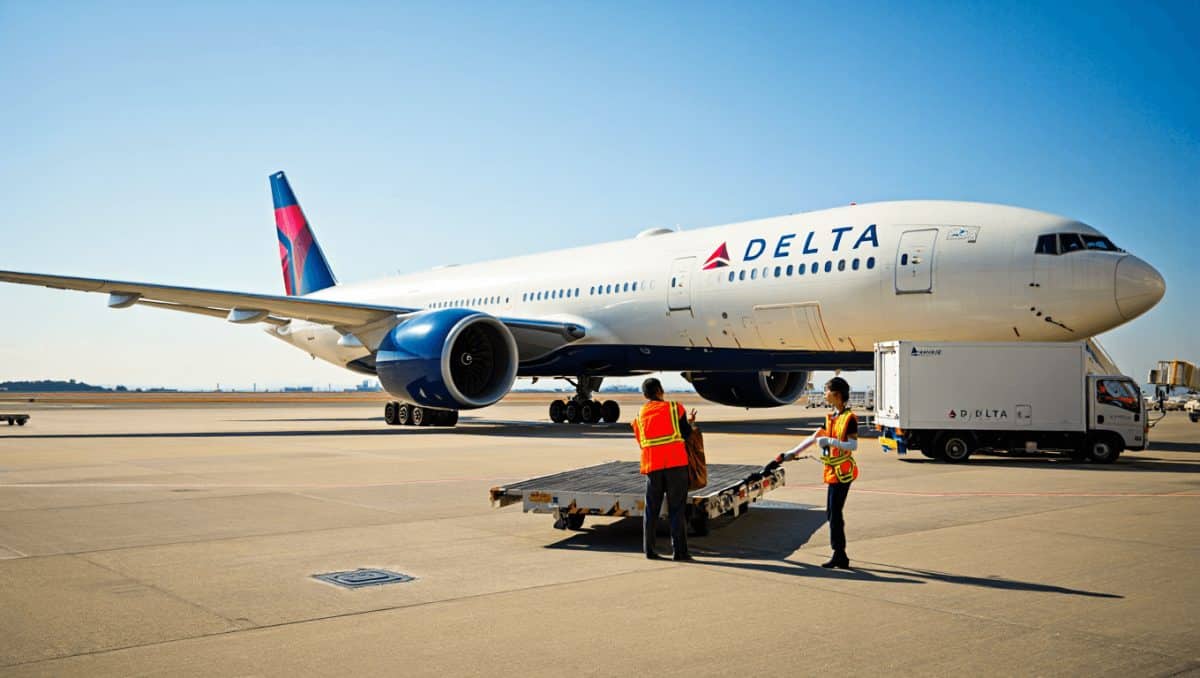
Delta to return to Tokyo Narita hub in 2027: 7-year comeback
Recent moves illustrate the trend:
- Gap Inc. created a role to lead what it calls “fashion-tainment.”
- David’s Bridal launched a series focused on unconventional weddings.
- Smaller chains are testing episodic content to boost recognition and foot traffic.
Creating content gives brands a chance to control tone, build emotional ties, and scale reach without relying solely on ads.
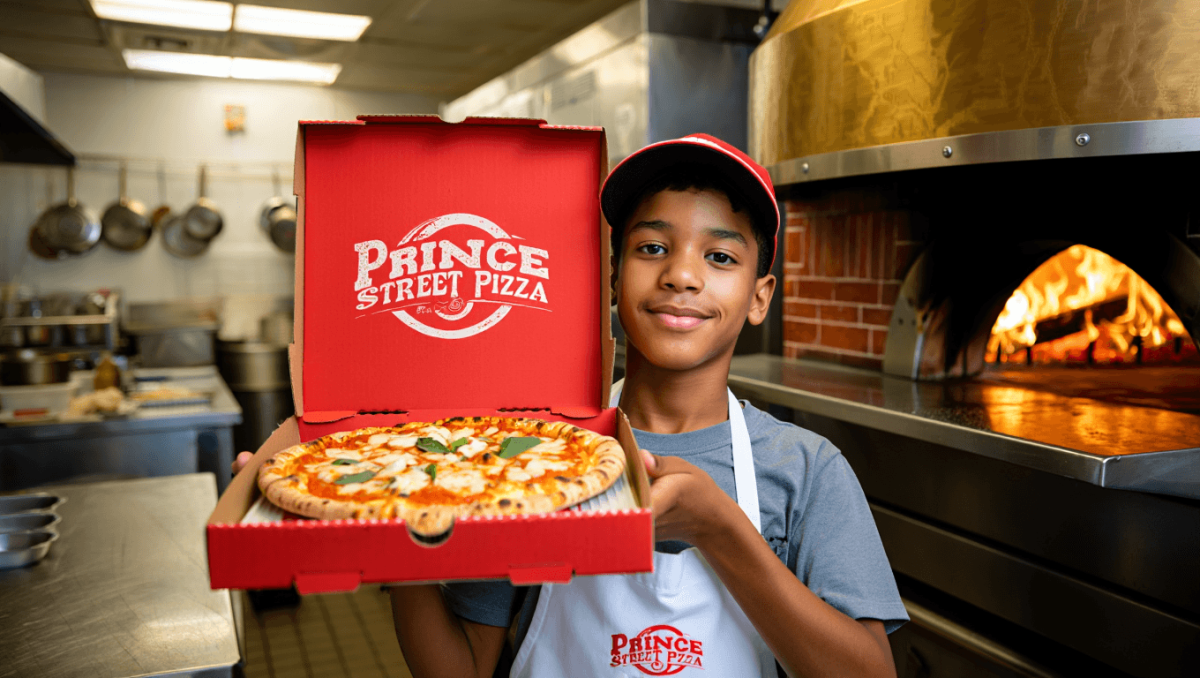
Prince Street Pizza’s “Delivering Happiness”: a case study in brand storytelling
New York’s Prince Street Pizza rolled out Delivering Happiness, a YouTube series starring actor Nick Turturro. The show was conceived by CEO Lawrence Longo, who moved from film production into the restaurant business.
Longo framed the series as more than entertainment. It’s part of a deliberate brand-awareness strategy as the chain expands to new markets. Prince Street Pizza plans openings in Nashville and Charleston this year.
Longo told Modern Retail’s podcast hosts Gabriela Barkho and Melissa Daniels that he views modern companies as content creators. “I think every brand is their own media company,” he said, explaining why the restaurant is investing in episodic storytelling.
What goes into producing a branded series
Launching a reliable show requires planning and investment. Brands must balance creative goals with operational realities.
Casting, crew, and creative decisions
- Hiring talent—actors or personalities—defines the show’s tone.
- Experienced production staff helps translate brand values into compelling scenes.
- Scripts and improvisation must align with the company’s image.
Timing, budget, and distribution
- Episodes need runway: concepting, filming, editing, and promotion take time.
- Costs can vary widely depending on scope, locations, and talent.
- Distribution strategy determines whether a series lives on YouTube, social platforms, or a combination.
Consistency matters more than sporadic virality. Viral hits can happen, but they rarely follow a rigid timetable.
Key takeaways for marketing teams experimenting with original content
Brands entering the content space should set realistic expectations and build processes to support ongoing storytelling.
- Expect a slow burn: authenticity builds trust but rarely creates immediate spikes in sales.
- Measure beyond conversions: track awareness, engagement, and share of voice.
- Create a content playbook to keep tone consistent across episodes and channels.
- Use storytelling to amplify real people and moments, not just product features.
For Prince Street Pizza, the series serves dual aims: entertain an audience and support national expansion. The company sees content as a long-term investment in brand equity rather than a short-term promo.
Topics covered in the Modern Retail conversation
- The time and financial commitment required to create repeatable viral moments.
- The practical logistics behind producing a branded show like Delivering Happiness.
- Why authentic content often drives attention long before it drives direct purchases.