Show summary Hide summary
- How matchdays translated into higher consumer spending
- Dining, nightlife and stadium-area commerce boom
- Retail chains capitalize on an influx of global shoppers
- Standout brand plays and shopper behavior
- Tourist spending spilled into surprising corners
- What drove the spending surge — and why it mattered
- How businesses prepared and adapted for transient demand
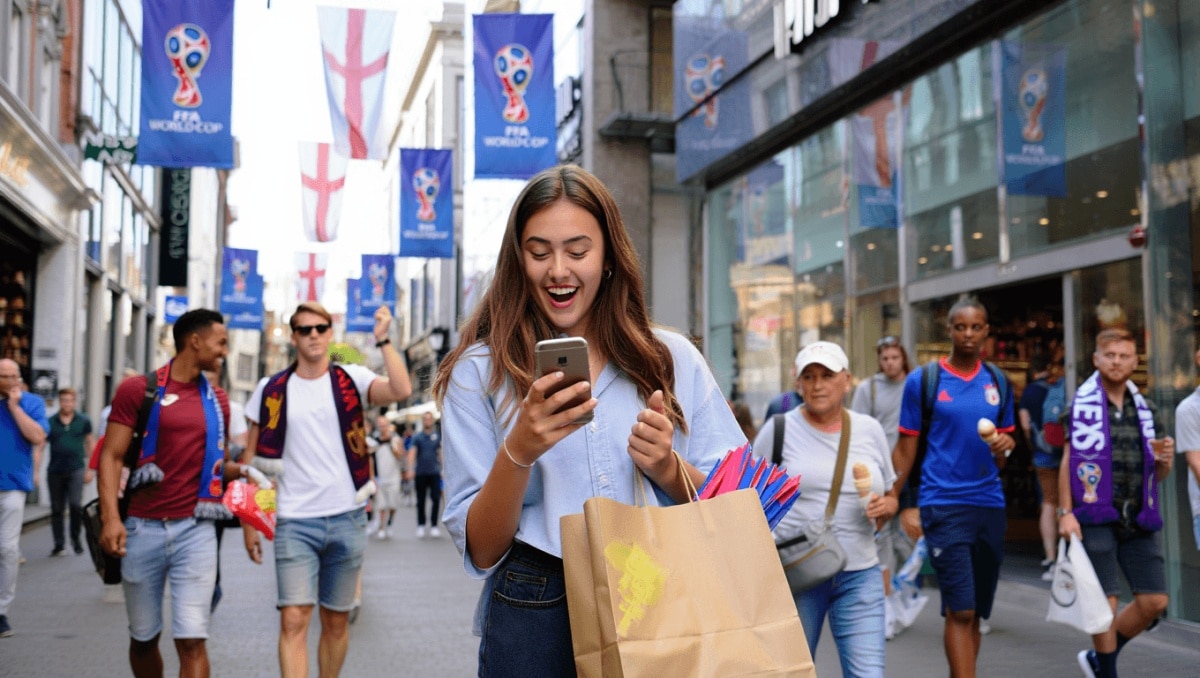
As stadiums filled and fan zones buzzed this summer, the 2026 FIFA World Cup quietly became a major economic engine for U.S. retail and service businesses. Tourists and local supporters funneled money into restaurants, stores, and entertainment, turning match days into measurable spikes in spending across host cities.
How matchdays translated into higher consumer spending
Transaction data collected around the tournament shows a clear uptick in discretionary purchases. Local promotions, fan gear drops, and group watch parties all fed into higher card swipes at points of sale.
Sophia Laforteza of Katseye announces hiatus: comes months after Manon Bannerman’s exit
Delta to return to Tokyo Narita hub in 2027: 7-year comeback
- Restaurant and bar sales rose notably in areas near stadiums and fan events.
- Merchandise and apparel purchases surged as fans bought jerseys and souvenirs.
- Electronics and travel items also benefited from visitor traffic and last-minute needs.
Analysts pointed to stronger in-person spending in June and July. Some urban centers reported mid-single-digit year-over-year increases in dining transactions during key match windows. That pattern mirrored the tournament schedule, with spikes around group-stage and knockout matches.
Dining, nightlife and stadium-area commerce boom
Hospitality businesses were among the biggest winners. Bars and restaurants near major venues reported fuller dining rooms and packed sidewalks.
City-level momentum
Hospitality growth concentrated in host markets, where a higher density of events and international visitors pushed up demand. In several cities, food-service categories outpaced other segments of discretionary spending.
Industry payments experts observed that much of the increase was driven by food and beverage spending. Fans gathering to watch games, buying drinks before or after matches, and hosting viewing parties helped sustain elevated sales weeks after the opening kick.
Retail chains capitalize on an influx of global shoppers
National retailers adapted quickly to the one-time demand surge. Many stores leaned into FIFA-themed displays, limited-time promotions, and localized inventory picks to match visitor tastes.
- Big-box chains reported early sales lifts tied to tournament dates.
- Convenience and quick-service operators ran special offers that drew high foot traffic.
- Pop-ups and event tie-ins helped brands capture transient crowds.
One national chain tracked international customers across host cities and found that those markets accounted for a majority of their World Cup merchandise sales, despite making up a minority of store locations. On a per-store basis, host-market outlets moved more than twice the product of non-host stores.
Standout brand plays and shopper behavior
Several campaigns and unexpected best-sellers revealed how fans shopped on the ground.
- Promotional deals at fast-casual restaurants drove peak store traffic on match days.
- Retailers discovered that fans bought both soccer merchandise and everyday tech items while in town.
- Event-adjacent pop-ups created social media buzz and in-person sales lifts.
Examples:
- Fast-casual chains ran two-for-one offers that produced record single-day visits.
- A regional diner chain opened a branded merch stall near an official fan festival.
- Wireless earbuds and other electronics topped the list for many international shoppers.
Tourist spending spilled into surprising corners
Beyond eateries and big-box stores, event tourism drove traffic to less obvious sectors.
Local specialty retailers and service providers reported new customers who were in town for matches. In nightlife neighborhoods close to stadiums, dispensaries and boutique shops saw more first-time visitors and out-of-town IDs appearing on busy days.
Case study: Kansas City nightlife and specialty retail
A regional cannabis operator in Kansas City noticed afternoons and evenings growing busier when matches were scheduled nearby. Staff said more visitors came in during tournament windows, and early tracking suggested a noticeable lift in foot traffic compared with baseline weeks.
Preliminary in-store counts estimated traffic increases in the low double digits during the tournament period. Staffers attributed the jump to match-related nightlife and a higher flow of out-of-town guests exploring destination neighborhoods.
What drove the spending surge — and why it mattered
Several dynamics combined to produce the economic bump in host cities.
- Strong visitation: Millions of fans arrived from abroad and domestically.
- Event timing: Weekend and evening matches aligned with peak leisure spending.
- Targeted promotions: Brands matched the tournament’s excitement with deals and themed offers.
Merchandise, food service, and experiential retail captured most of the discretionary spend. For many local businesses, the World Cup created windows of demand that outpaced typical seasonality.
How businesses prepared and adapted for transient demand
Merchants used several tactics to make the most of the influx:
- Stocking event-specific inventory and limited-edition goods.
- Extending hours during match nights.
- Running targeted digital and in-store promotions to attract fans.
Brands that anticipated tourist behavior and localized their approaches generally reported better traffic and higher per-transaction dollars than those that kept routine operations unchanged.