Show summary Hide summary
- What the Los Angeles showroom revealed about Quince’s home push
- How Quince turns pop-ups into retail experiments
- Customer experience: scanning, sampling and local partnerships
- Why physical touchpoints matter for an online-first brand
- Manufacturing model, growth and investor backing
- What customers learn from meeting the team
- Upcoming stops and what Quince is measuring
- How these activations could shape Quince’s retail future
Quince has taken its online home catalog into real rooms, rolling out a series of in-person pop-ups that let shoppers touch, sit and smell the products behind the screen. The brand’s latest showroom landed in Los Angeles at the Sunset Tower Hotel, where furniture, rugs and accessories were displayed as a lived-in collection rather than a grid of product photos.
What the Los Angeles showroom revealed about Quince’s home push
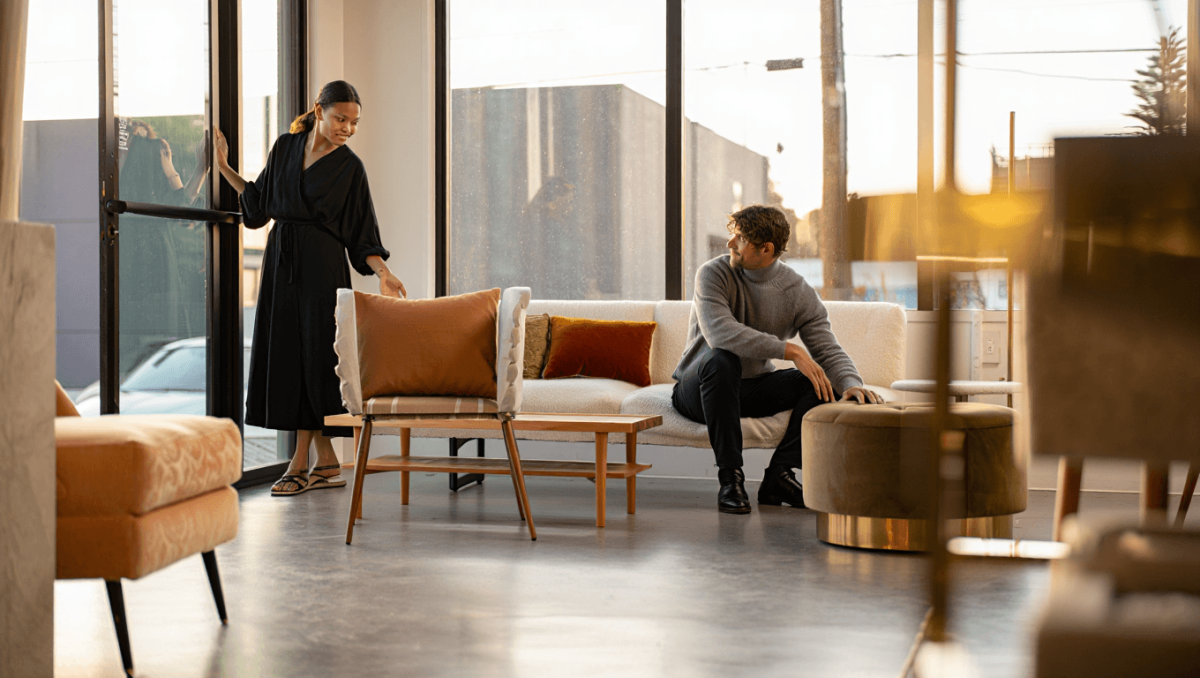
On May 30, Quince opened a temporary furniture showroom titled Quince Furniture: The Art of Home in West Hollywood. The event was built around the company’s expanding home category.
Sophia Laforteza of Katseye announces hiatus: comes months after Manon Bannerman’s exit
Delta to return to Tokyo Narita hub in 2027: 7-year comeback
- The display emphasized sofas, bedroom pieces, lighting and rugs.
- Smaller shoppable items included linen bedding, cashmere throws and candles customers could take home.
- Large pieces were available to buy via QR codes placed on the products.
The setup encouraged visitors to test comfort, lounge on sofas and evaluate materials in person. The brand paired the experience with local food and drink, creating a relaxed showroom vibe.
How Quince turns pop-ups into retail experiments
These events are less about permanent stores and more about gathering consumer feedback. Quince uses short-term pop-ups to validate new categories and refine merchandising.
- Two-day format: an invite-only trade or community day, followed by a public shopping day.
- Staffed by product experts who can explain where items are made and why materials were chosen.
- Social content from pop-ups often sparks demand in new cities.
Customer experience: scanning, sampling and local partnerships
Quince blended contactless shopping with tactile access. Visitors scanned QR codes to order large furniture items. Smaller accessories were ready for immediate purchase.
Refreshments came from local vendors, including frozen coffee, cookies and specialty coffee—part of a strategy to make showroom visits feel hospitable and shareable on social media.
Why physical touchpoints matter for an online-first brand
Dakota Kate Isaacs, Quince’s head of brand strategy and narrative, framed the pop-ups as trust builders. For low-cost items, the online model works. For high-investment purchases, customers want reassurance.
Seeing and feeling a couch or a dining table changes purchase intent in ways product photos cannot. The in-person format also exposes shoppers to the wider assortment they might not browse online.
Testing new categories in public
Quince has expanded beyond basics into wellness, fragrance, gourmet foods and fine jewelry. Pop-ups help the company judge whether its audience will try unfamiliar product families.
In April, a New York Chinatown event for jewelry and fragrance drew hundreds. Lines wrapped around the block and visitors recognized the brand from its digital presence.
Manufacturing model, growth and investor backing
Founded in 2019, Quince operates a manufacturer-to-consumer approach. The company partners directly with factories and applies AI-driven demand forecasting to streamline inventory.
- Recently closed a $500 million Series E round.
- Valuation topped $10 billion after the raise.
- As of 2025, Quince reported annual revenue surpassing $1 billion.
Competitive pricing brings many customers in. The pop-ups aim to show that Quince can deliver quality across price points and categories.
What customers learn from meeting the team
Pop-ups give shoppers direct access to product staff who actually speak with manufacturers. That transparency helps answer questions about sourcing and build confidence.
At the Los Angeles showroom, many furniture pieces were highlighted as made in the U.S., a point staff could confirm in conversation. That expertise differentiates the experience from a standard sales pitch.
Upcoming stops and what Quince is measuring
Quince is continuing its short-run tour. The next scheduled stop is Toronto in June, its first major Canadian pop-up since launching in the market.
The Toronto event will spotlight the brand’s 100% linen collection and aim to replicate lessons learned in New York and Los Angeles.
What Quince tracks at each event
- Foot traffic patterns and conversion rates.
- Which categories attract the most attention in person.
- Customer questions that reveal trust gaps or product misunderstandings.
How these activations could shape Quince’s retail future
Every pop-up serves as a data point. The company treats each activation as an experiment to determine whether deeper physical retail commitments make sense.
For now, the focus is clear: use short-term shows to prove the brand can be more than a single-category e-commerce site and to give shoppers direct, tactile reasons to expand their purchases.