Show summary Hide summary
- Why malls see the World Cup as a retail springboard
- Big brand deals and cross-property activations
- How four U.S. shopping destinations are staging World Cup events
- Regional operators staging community-centered celebrations
- What retailers and malls hope to measure
- How activations vary by audience and location
- Operational and marketing tactics used to drive turnout
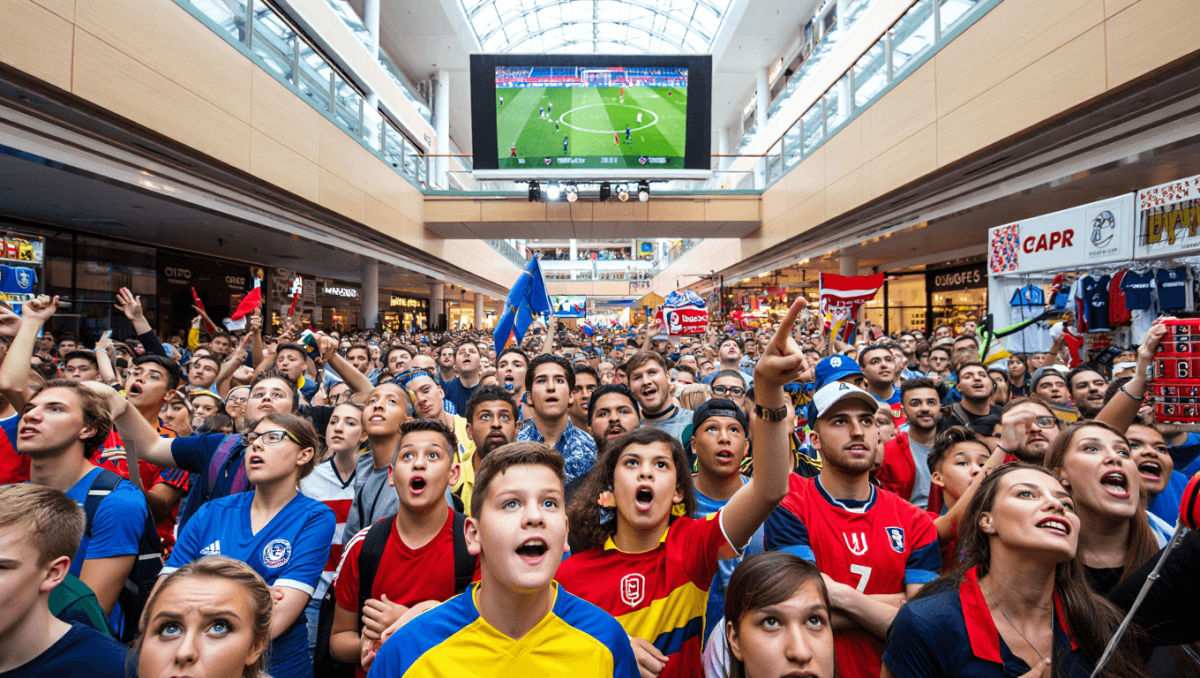
Across the United States, shopping centers are turning the FIFA World Cup into a retail moment. From coast to coast, malls and mixed-use districts are staging fan experiences, watch parties and branded activations to draw matchgoers and casual visitors alike.
Why malls see the World Cup as a retail springboard
Retail landlords view the tournament as more than entertainment. It is a chance to boost foot traffic, lengthen visits and convert fans into customers. Data from location analytics firms shows malls are regaining momentum, and operators hope World Cup programming will keep that trend moving upward.
Sophia Laforteza of Katseye announces hiatus: comes months after Manon Bannerman’s exit
Delta to return to Tokyo Narita hub in 2027: 7-year comeback
- Increased dwell time: longer visits often mean higher food and merchandise sales.
- Brand exposure: sponsor tie-ins and activations create social content and earned media.
- New audiences: tourists and local fans who might not usually visit a center.
Big brand deals and cross-property activations
Some mall owners are partnering with global sponsors to amplify the fan experience. One leading operator collaborated with a major sports brand to create large-scale activations in several markets. Those sites combine watch parties, product customization and family-friendly moments to connect shoppers with both the sport and retail offers.
Across dozens of properties, loyalty program perks and in-mall giveaways aim to reward regular customers and entice first-time visitors. Many operators are deploying shared-area activations to turn common spaces into temporary fan zones that benefit multiple tenants.
How four U.S. shopping destinations are staging World Cup events
American Dream: a multi-week fan festival near the stadium
Located a short distance from the stadium hosting multiple tournament matches, this megacenter is running an extended fan festival that blends matches, live DJs, clinics and family entertainment over several weeks.
- Festival length: nearly six weeks of programming, branded as a major fan hub.
- Entertainment mix: match viewing, athlete appearances, themed days tied to local pro teams and varied dining options.
- Tenant participation: hundreds of stores and restaurants are involved, from sports retailers to fashion and food brands.
- Exclusive offerings: ticketed fan zones with food and drink on big-match days and designated event parking for tournament visitors.
The property is staffing multilingual ambassadors to welcome international tourists and expects creators and everyday visitors to generate plentiful social media coverage. Management views the activation as a way to position the center as a sports-and-entertainment destination while tracking metrics like attendance, revenue and media reach.
Boston Seaport: a polished neighborhood approach for global visitors
This waterfront district, popular with tourists, is tailoring its World Cup effort to be highly navigable and visually distinctive. Organizers focused on clear visitor guidance instead of broad creator campaigns, producing curated itineraries and short social videos that point people to match parties and dining options.
- Match-day parties at bars and restaurants across the neighborhood.
- A temporary retail pop-up selling vintage and replica kits through late July.
- Decorative touches such as miniature soccer balls on tree trunks and street decals to guide fans.
- In-app promotions via the neighborhood rewards program to nudge spending.
With a large international audience passing through, the district is also engaging overseas press and relying on tenant partners to deliver consistent event messaging. The aim is to transform casual match-goers into people who spend hours — and dollars — in the area.
Atlantic Village: turning soccer traffic into restaurant business
In a South Florida neighborhood where summer tourism ebbs, one center is using soccer to bolster dining at its air-conditioned restaurants. The programming centers on food, community and incentives that reward repeat visits.
- More than 20 restaurants representing multiple cuisines, suitable for World Cup audiences.
- Match screenings at select venues, including several restaurants showing games on large screens.
- World Cup passport: guests collect stamps at locations and redeem them for prizes like gift cards.
- Family-friendly watch parties with face painting, raffles, DJs and branded merchandise giveaways.
Marketing is focused on local residents within a short drive, including sizable soccer fan communities tied to regional teams. Operators plan to gauge success primarily by tracking foot traffic and sales while offering promotions that resonate with neighborhood tastes.
Alderwood Mall: family-first activations for local and visiting crowds
Northwest of a nearby host stadium, this sizable regional mall has scheduled family-focused events timed with tournament excitement. The activation lineup is designed to make the experience accessible to shoppers of all ages.
- Community event with balloon art, ice cream, a soccer clinic and live music.
- Giveaways from national retail partners to drive interest across tenant categories.
- Promotion across the mall’s social channels to raise awareness and attendance.
- Programming aimed at both regular patrons and first-time visitors from the broader metro area.
Management emphasizes making activations feel interactive and welcoming. The property expects the fan-focused events to complement regular retail traffic while offering families a reason to linger on match days.
Regional operators staging community-centered celebrations
Several owner-operators are running localized events near stadiums. One group is activating locations in cities that host matches, including a long-form community festival and free public gatherings with giant screens and food vendors. Another operator has designated one of its urban centers as a volunteer hub for tournament staffing and is programming events to support that role.
- Free, day-long community festivals featuring exhibition matches, art walks and beverage gardens.
- Volunteer coordination hubs that funnel thousands of tournament helpers through neighborhood centers.
- Cross-promotions that involve tenants from apparel to entertainment brands.
Local engagement and free experiences are central to these plans, with the goal of creating a welcoming atmosphere for fans and residents alike.
What retailers and malls hope to measure
Across activations, operators are tracking a similar set of KPIs. Attendance is the primary short-term metric, with secondary measures tied to on-site spending and media visibility.
- Foot traffic and repeat visits.
- Incremental sales at eateries, retail stores and entertainment venues.
- Social media impressions, creator content and earned press coverage.
- Satisfaction and dwell time among visitors to fan zones.
Operators also expect brand partnerships to produce long-term benefits, including elevated awareness for shopping districts and stronger loyalty program engagement.
How activations vary by audience and location
Mall strategies differ by market. Urban districts that attract tourists emphasize polished experiences and clear directions. Suburban and regional centers lean into family programming and dining activation. Coastal properties with large local fan bases highlight culturally relevant food and neighborhood-focused events.
- Tourist-heavy neighborhoods: curated itineraries, press outreach and premium pop-ups.
- Suburban malls: free community events and family-oriented clinics.
- Dining-focused centers: watch parties, passport-style promotions and prize incentives.
Each approach aims to make the mall the logical stop before, during or after a match — and to convert visitors into paying customers while the tournament buzz is high.
Operational and marketing tactics used to drive turnout
Malls are combining creative on-site activations with digital tools to guide visitors. Common tactics include:
- Large-format screens for communal viewing.
- Branded giveaways and limited-edition merchandise.
- In-app offers and loyalty rewards tied to match-day purchases.
- Event-specific staffing, including multilingual ambassadors for international crowds.
- Pre-scheduled creator content and social posts to amplify reach.
These tactics are designed to create shareable moments that increase both immediate spending and future visits.