Show summary Hide summary
- Where the action will take place: host cities across the U.S., Mexico and Canada
- Why official broadcast ads are out of reach for most brands
- Notable official sponsor moves and product tie-ins
- Out-of-home and local activations: the smart play for mid-market brands
- Why activity isn’t as frenzied as expected
- How to activate late and still make an impact
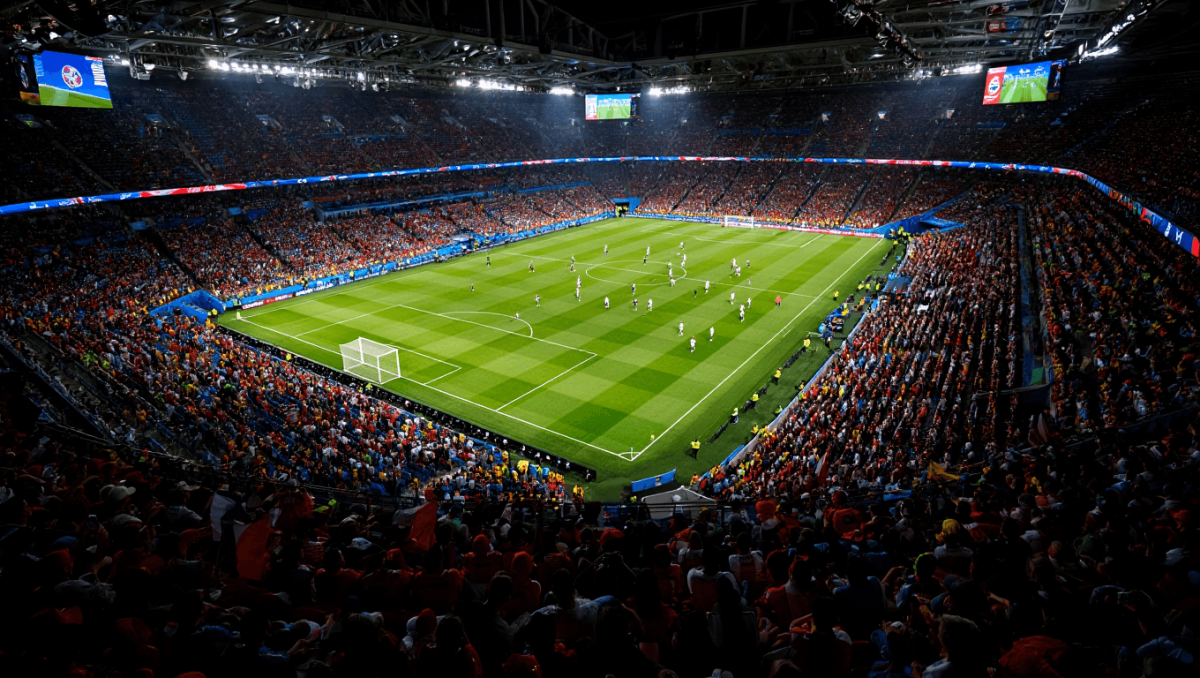
The 2026 FIFA World Cup arrives as a global spectacle and a marketing gold rush, promising record audiences and unique local opportunities for brands of every size. With games spread across three countries, companies that can’t afford headline broadcast slots are finding creative ways to tap into the frenzy.
Where the action will take place: host cities across the U.S., Mexico and Canada
The tournament runs through July 19 and plays out in 16 cities across North America. The geographic scale changes how fans gather and how brands plan activations.
Sophia Laforteza of Katseye announces hiatus: comes months after Manon Bannerman’s exit
Delta to return to Tokyo Narita hub in 2027: 7-year comeback
- United States: Atlanta, Boston, Dallas, Houston, Kansas City, Los Angeles, Miami, New York, New Jersey, Philadelphia, Seattle and the San Francisco Bay Area.
- Canada: Toronto and Vancouver.
- Mexico: Monterrey, Guadalajara and Mexico City.
Because events are distributed, each market has its own rhythm. That creates pockets of intense demand and many underused opportunities.
Why official broadcast ads are out of reach for most brands
Broadcast inventory tied to the World Cup commands top dollar. Official English- and Spanish-language packages sit with major networks.
- Reported price ranges for major broadcast spots start near $15 million.
- Some premium packages climb to roughly $85 million.
- Industry observers mark about $25 million as an informal threshold to secure national placement.
Banking, alcohol, fast food and sportswear firms are expected to dominate TV buys. Names like Bank of America, Visa, Budweiser, Adidas, McDonald’s and Coca-Cola are typical global advertisers. Only a few personal care brands appear among FIFA’s official partners.
Notable official sponsor moves and product tie-ins
Among the tournament’s official partners, one large consumer goods conglomerate is focusing personal care messaging around the games.
- It plans youth-focused film spots and limited-edition deodorants and body-care items.
- Products carry tournament logos, new scents and targeted packaging for fans.
These activations demonstrate how brands translate sponsorship into tangible retail momentum and cultural relevance.
Out-of-home and local activations: the smart play for mid-market brands
When national TV is unrealistic, out-of-home (OOH) and local sponsorships are the practical alternatives. Marketers are looking to stadium vicinities, transit corridors and nightlife hubs.
- OOH options: billboards, transit ads, digital boards and street furniture.
- Venue-adjacent buys: hotels, bars and restaurants that host watch parties.
- Targeted saturation: market packages that amplify presence in tourist zones.
City-specific inventory remains available in many host markets. For brands that want to dominate a single city, costs can scale dramatically.
Estimated local spend ranges:
- Entry-level packages starting around $100,000.
- Heavy saturation campaigns that reach $750,000 to $1,000,000.
Why activity isn’t as frenzied as expected
Several forces have softened the usual rush to lock in World Cup ad space.
- Competing sports properties, such as the NBA finals, are drawing ad dollars now.
- Brands are also saving funds for future global events, like the 2028 Los Angeles Olympics.
- Macro issues matter: geopolitical tensions and higher travel costs affect tourism.
- U.S. visitation fell in 2025, removing some urgency for location-based buys.
Because the event is spread across many cities, demand gets dispersed. In practice, that means more available inventory than in single-site megaevents.
How to activate late and still make an impact
Even after kickoff, marketers can find meaningful ways to join the conversation. The keys are proximity, creative timing, and digital amplification.
- Leverage transit: ads on ride-hail apps, trains and airport corridors reach traveling fans.
- Own local moments: partner with watch-party venues and neighborhood bars.
- Limited-run products: event-branded merchandise can sell in stores and online quickly.
- Social-first creative: short-form video and on-platform campaigns keep brands in the conversation.
For late entrants, combining OOH with a strong online push and relevant creative increases ROI. Being present where fans gather—and being timely—matters more than a single huge buy.
Practical checklist for last-minute advertisers
- Audit nearby inventory around stadiums and tourist hubs.
- Secure flexible OOH packages that allow quick creative swaps.
- Plan social amplification to coincide with match schedules.
- Consider partnerships with local hospitality and transport providers.
- Track impressions and foot traffic to refine placements on the fly.