Show summary Hide summary
Retailers are installing screens at scale inside stores as they chase new ad dollars and try to influence shoppers at the point of decision. What began as pilots and trials is turning into broad rollouts that promise new audiences for consumer-packaged goods and other advertisers.
Big chains accelerate in-store digital networks
Large grocers and specialty retailers have moved beyond experiments and started wide deployments of digital signage and audio in their locations.
Sophia Laforteza of Katseye announces hiatus: comes months after Manon Bannerman’s exit
Delta to return to Tokyo Narita hub in 2027: 7-year comeback
- Regional chains and national grocers are both investing in screens to run ads and store messaging.
- Some retailers are integrating content directly into shelf displays and end-caps.
- Others combine video with in-store audio for a layered shopper experience.
For example, a Midwest grocer recently outfitted more than 10,000 screens across hundreds of stores. Another national grocer partnered with a digital platform to deliver animated content throughout aisles and on shelving units. A third supermarket chain piloted digital displays across dozens of locations in partnership with a signage software vendor. Electronics and big-box retailers are also getting involved, offering advertisers options to show creative across the in-store journey.
Retail media teams say these deployments are not fringe projects. Executives characterize them as core parts of their media strategies going forward. Many retailers expect to add still more screens next year to broaden reach and lift the attractiveness of their ad inventory.
Where screens make the most impact inside stores
Placement decisions are guided by shopper behavior, merchant priorities, and the need to keep the experience useful.
- Front-of-store entrances capture shoppers as they arrive and are useful for timely local messages.
- End-caps deliver high visibility for featured items and complementary product pairings.
- Pharmacy waiting areas reach shoppers during dwell time, often before they re-enter the main store.
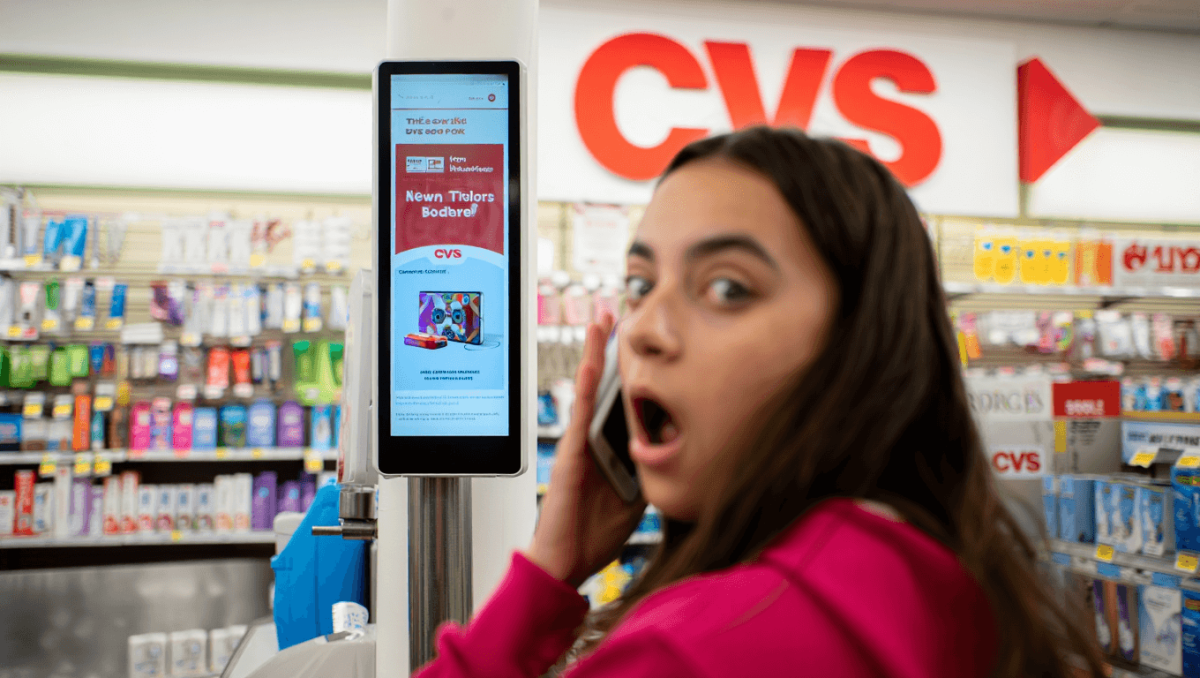
- Checkout and POS screens catch attention at the final purchasing moment.
- Selected aisle locations and frozen departments can highlight relevant offers without creating visual clutter.
Retail teams often rule out certain placements. In some cases, screens near delicate produce or in tight picking areas were deemed distracting, or offered low advertising value. The emphasis is on making screens feel native to the environment — informative, not overwhelming — and on choosing spots that support merchandising goals.
Designing pilots that scale: zone-first approaches
Several in-store media providers recommend rolling out screens by zones within stores rather than scattering screens across a fragmented set of locations. That approach helps brands predict reach and measure outcomes more reliably.
- Start with high-traffic zones, then expand to other areas.
- Deliver consistent creative placements within a market to build frequency.
- Coordinate with merchandising and store ops to align content with shelf assortments.
Retailers that deploy a few zones across many stores make it easier for advertisers to buy at scale. Fragmented pilots that vary placement by store can confuse agencies and brands trying to evaluate performance.
Measurement, reporting, and the push to prove ROI
Brands and agencies want clearer proof that in-store ads influence behavior. That demand is shaping technology investments and vendor conversations.
New tools and requests
Vendors report a surge in proposals and requests for equipment and analytics. Some industry suppliers are handling dozens of active RFPs for large-scale rollouts next year, with individual retailers seeking thousands of units.
What advertisers are asking for
- Better attribution that ties in-store exposure to sales uplift.
- Integration of in-store metrics into omnichannel measurement platforms.
- Transparent reporting on impressions, dwell, and creative performance.
Media teams are working to fold in-store impressions into broader reporting stacks. Advertisers want to see how screen campaigns interact with digital, shelf pricing, and promotion activity. That integration is key for convincing brands to allocate larger budgets to in-store buys.
Convincing brands and agencies to invest
Scaling in-store retail media requires education and a business case for advertisers. Not every brand has the budget or the category fit yet.
- Smaller brands often lack dedicated funds for experimental media.
- Large CPG companies may test via innovation budgets before committing more spend.
- Agencies need examples and standard metrics to recommend buys to clients.
Some platforms are beginning to reach meaningful scale. One in-store media network now covers more than 6,500 stores, which helps persuade advertisers of potential reach. But buyers are still debating where in-store media should live in budgets — under commerce, out-of-home, or another line item — and which teams should manage it.
Industry voices urge patience and testing. Agencies are being encouraged to run pilot campaigns until reach and measurement standards are strong enough to support larger buys. As proof points emerge, more advertisers are expected to add dedicated line items for in-store media.
What retailers plan next for screens and audio
Retailers are projecting substantial growth in their in-store digital footprints in the coming year. Plans often include:
- Increasing front-of-store and pharmacy-screen counts.
- Expanding checkout and POS advertising placements.
- Offering self-service and managed buying options for advertisers.
- Pairing video creative with store audio for campaign layering.
Some companies forecast tens of thousands of screen impressions across their networks once rollouts finish. These deployments aim to help brands reach shoppers at key moments, from the point of entry to the register, using targeted creative and measured campaigns.