Show summary Hide summary
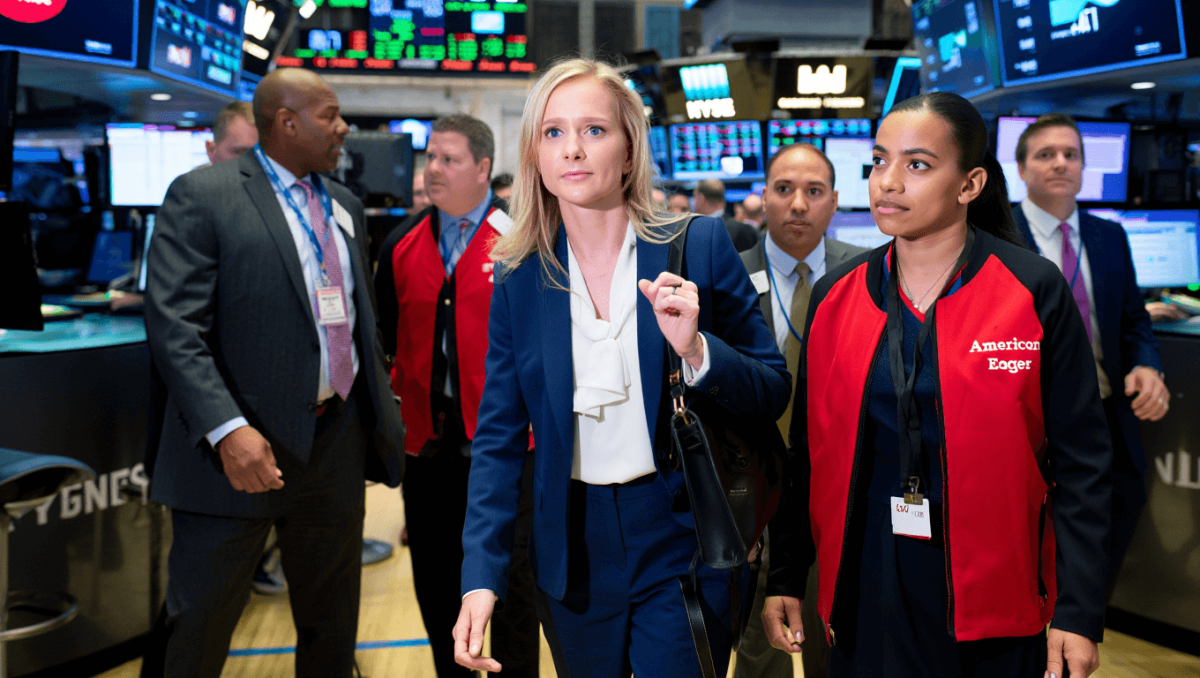
Sydney Sweeney’s appearance at the New York Stock Exchange last week signaled more than a PR moment. It underlined American Eagle’s willingness to press forward with high-profile talent, even after a viral ad sparked sharp criticism. The retailer appears to be choosing strategic consistency over rapid retreat.
Why American Eagle doubled down on celebrity marketing
Last summer’s “Sydney Sweeney Has Great Jeans” campaign ignited a debate over its play on words. Critics said the pun touched on fraught historical themes, while others praised the creative. Regardless, American Eagle kept Sweeney in its spotlight and added more celebrity allies.
Sophia Laforteza of Katseye announces hiatus: comes months after Manon Bannerman’s exit
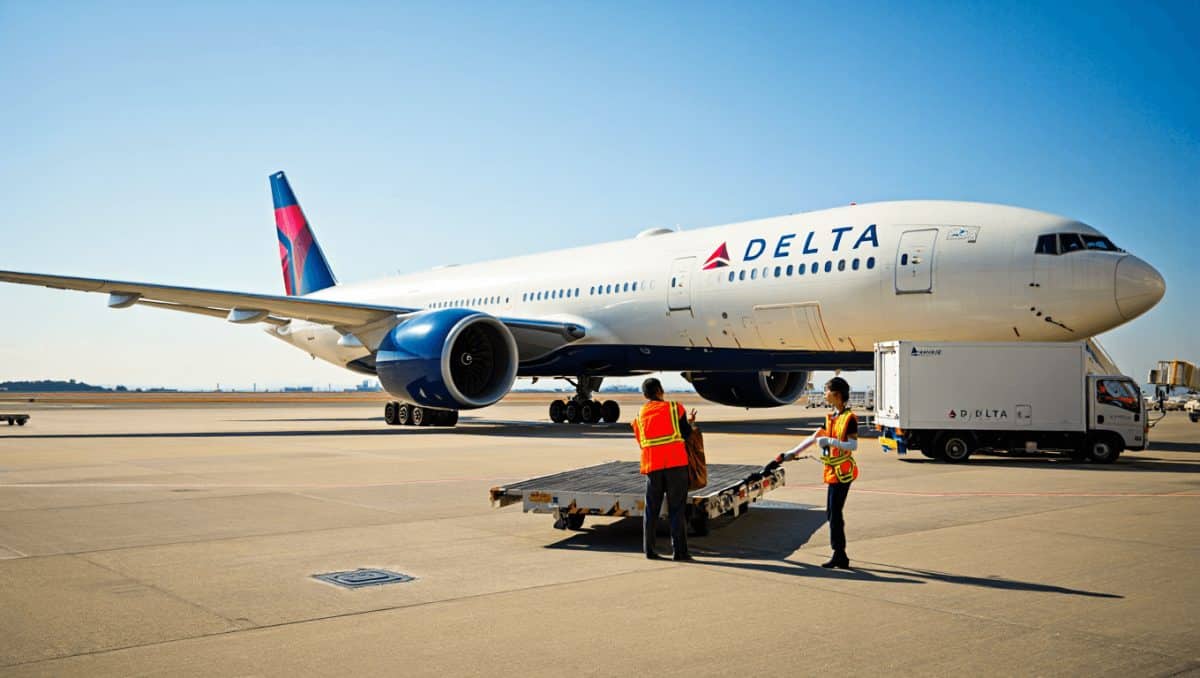
Delta to return to Tokyo Narita hub in 2027: 7-year comeback
- NYSE bell-ringing with Sydney Sweeney reinforced the public tie to the brand.
- American Eagle has a track record of celebrity tie-ins, from athletes to country stars.
- Recent signings include names like Travis Kelce and Ella Langley, now billed as a denim ambassador.
The company did not withdraw the ad. Instead, it engaged outside crisis communications support and later addressed the campaign in corporate earnings calls.
Sales trends tell a different story than social media uproar
Online criticism can feel loud. But American Eagle’s financials show resilience. In its latest quarter the retailer reported a 6% rise in total revenue to $1.4 billion. Comparable sales ticked up about 1%.
- Q3 revenue: $1.4 billion, up 6% year over year.
- Comparable sales increased roughly 1%.
- The company raised its Q4 outlook following those results.
Executives also credited recent marketing pushes, including campaigns with high-profile talent, for lifting customer awareness and sales. Consumer polling shows a majority still hold favorable views of the brand. For example, surveys placed a combined majority in the somewhat or very favorable categories.
Data suggests the loudest voices online aren’t always representative of buying behavior.
How brands are rethinking backlash and crisis playbooks
Marketing leaders say brands now weigh backlash differently. The reflex to pull creative at the first sign of negative reaction is fading. Firms may instead prioritize long-term positioning and core customers.
Key approaches marketers are using
- Assess impact on core shoppers, not just social chatter.
- Use crisis advisers to manage messaging while maintaining strategy.
- Decide whether an action aligns with brand values and stay consistent.
Industry consultants note that standing firm can signal clarity to consumers. One strategist said American Eagle’s choice to keep its talent and message shows a long-term brand judgment, not a reaction to daily online sentiment.
When risk becomes part of strategy
Experts argue that controversial moments are increasingly treated as an expected cost of making statements. Brands that aim to be distinctive often accept the potential fallout as part of their communication plan.
- Some brands do reverse course after backlash. Recent examples include a restaurant chain that scrapped a redesigned logo and a fast-food division that pulled an AI-generated ad.
- Others keep their campaigns and monitor how those efforts affect sales and loyalty over time.
Consistency and clarity of values are now central to many marketing decisions.
What this means for retailers and marketers
For retailers, the lesson is tactical and strategic. Tactically, be ready with crisis communications and measurement. Strategically, decide what the brand stands for and communicate that consistently.
- Measure campaigns by long-term customer engagement, not just short-term outrage.
- Prepare spokespeople and advisers who can respond while protecting the campaign’s intent.
- Track sales and brand metrics after controversy to inform future choices.
American Eagle will report further results and commentary during upcoming earnings. Meanwhile, the company’s handling of the Sweeney campaign will remain a case study for how modern brands navigate fame, risk, and retail performance.